
Last updated November 15, 2026
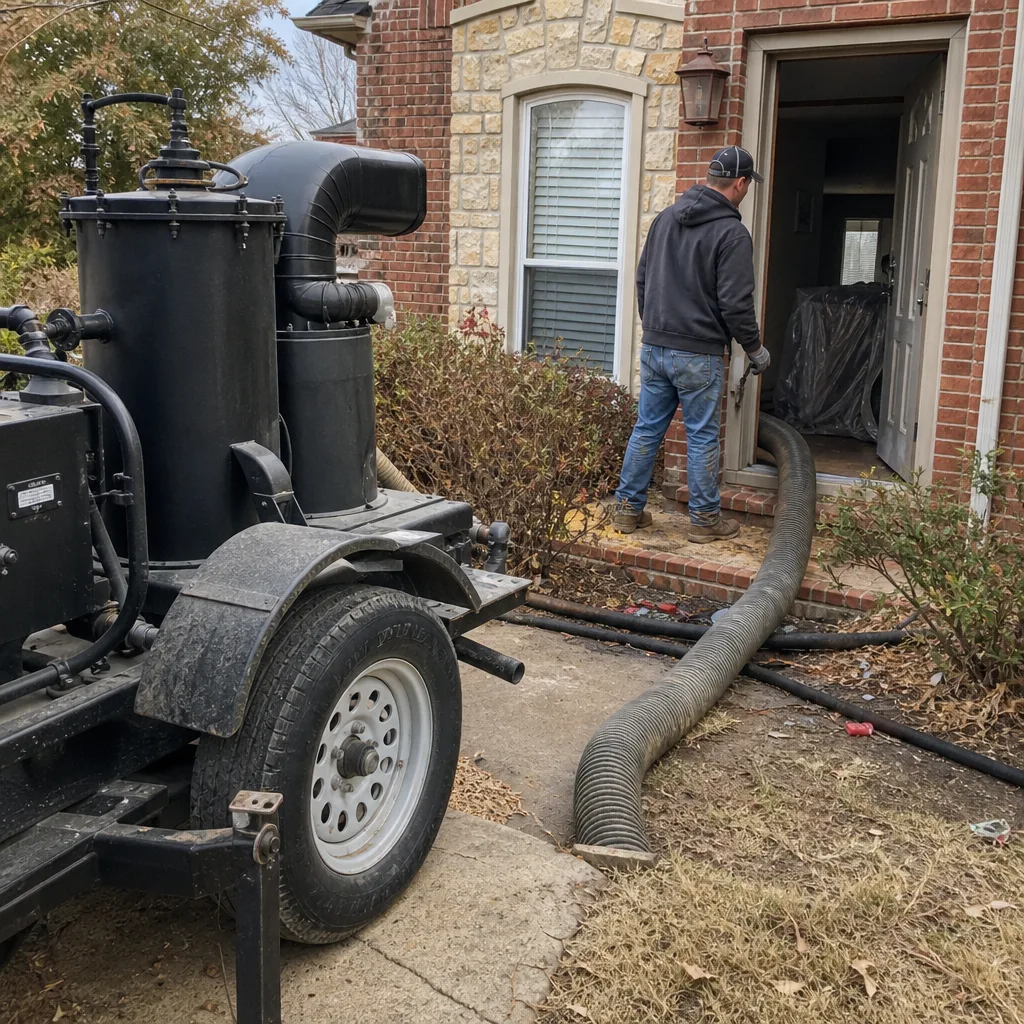
 Whole-home duct cleaning
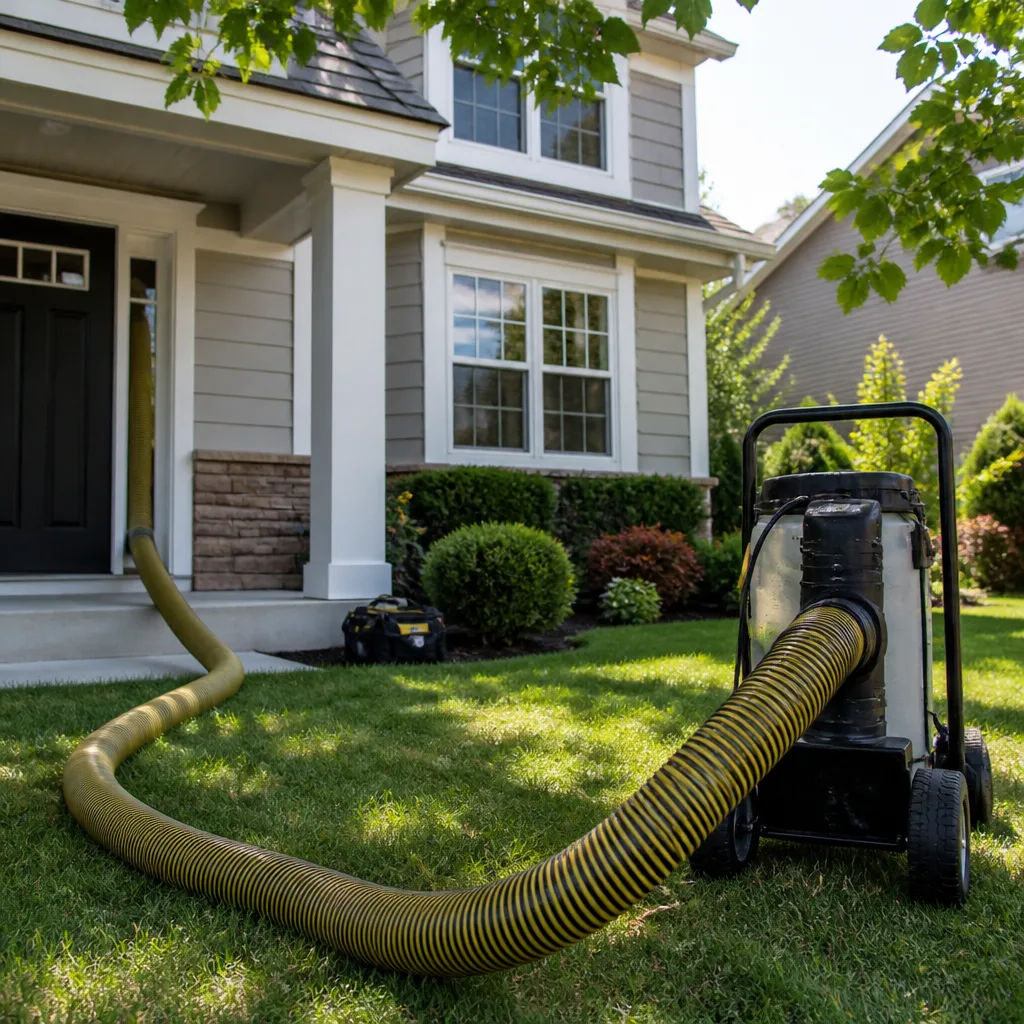
 Dryer vent cleaning
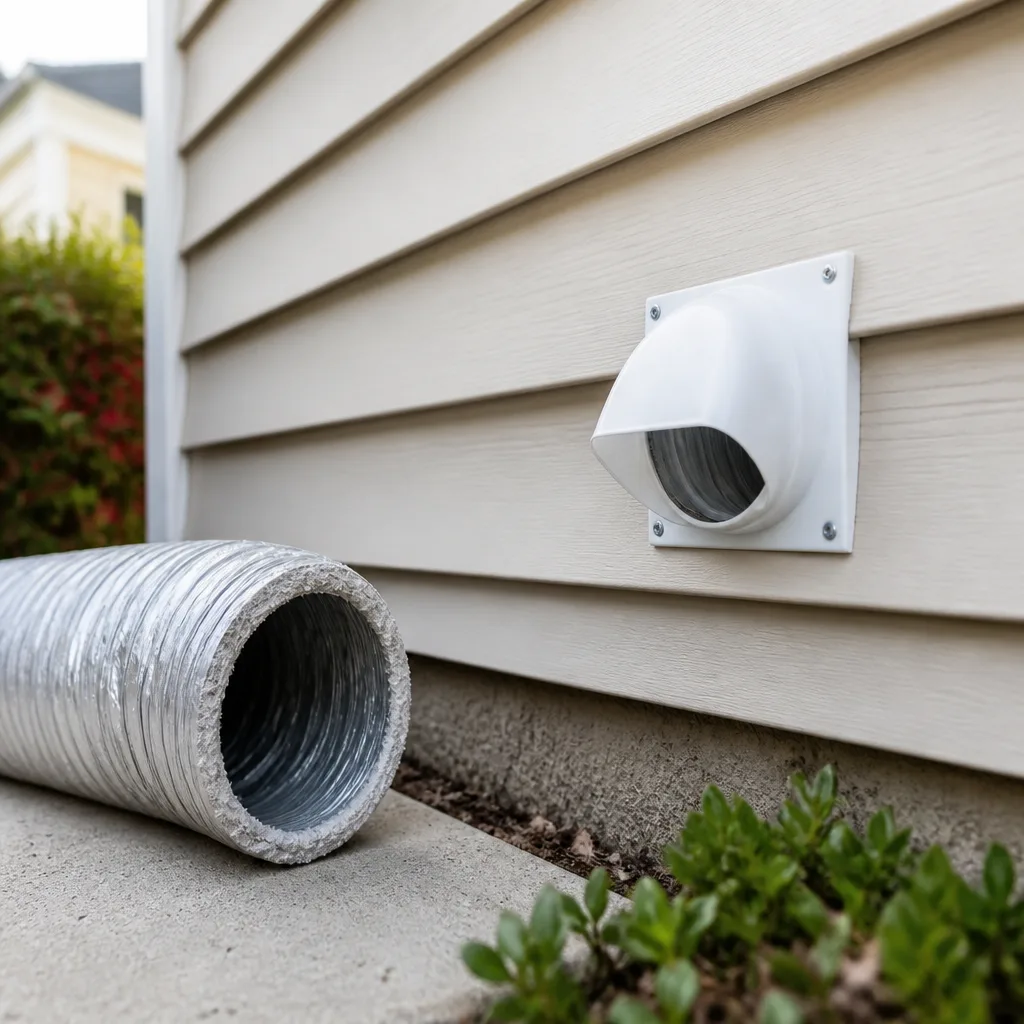
 Camera inspection
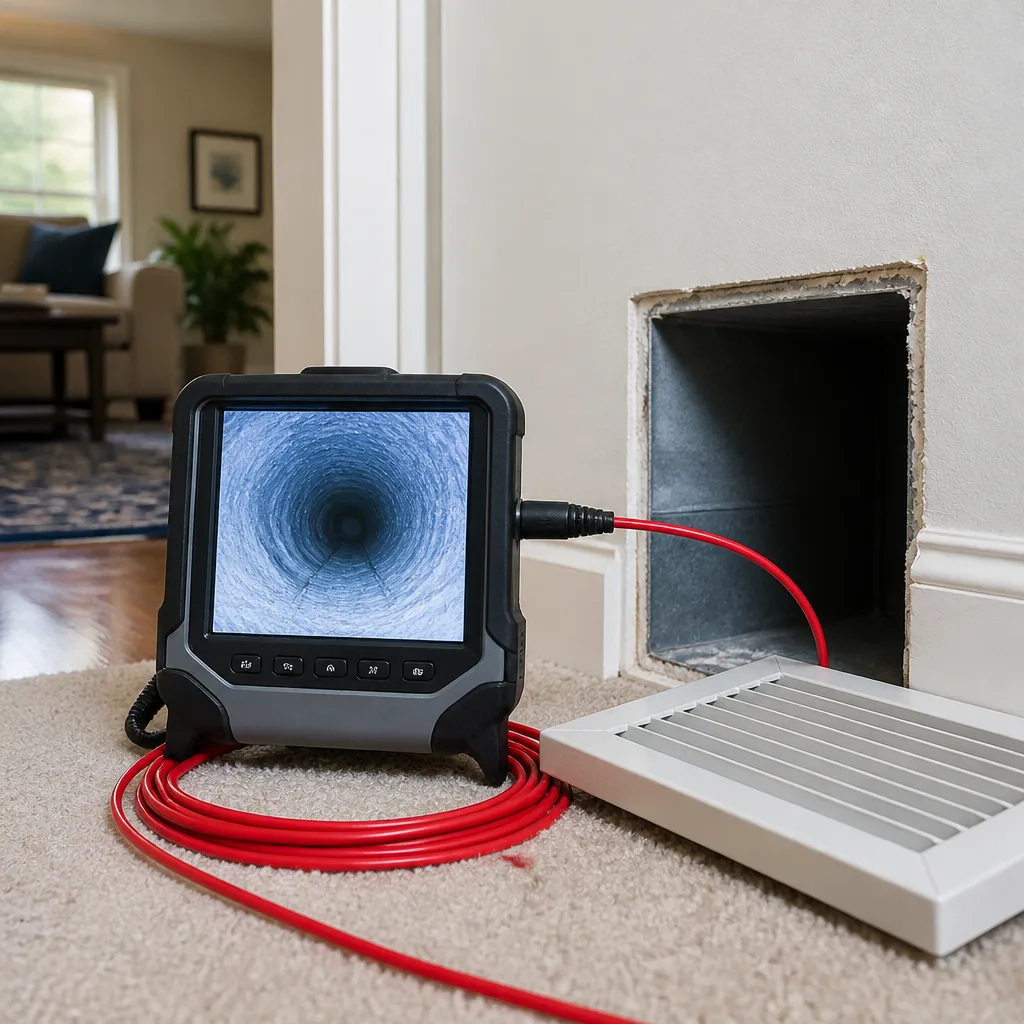
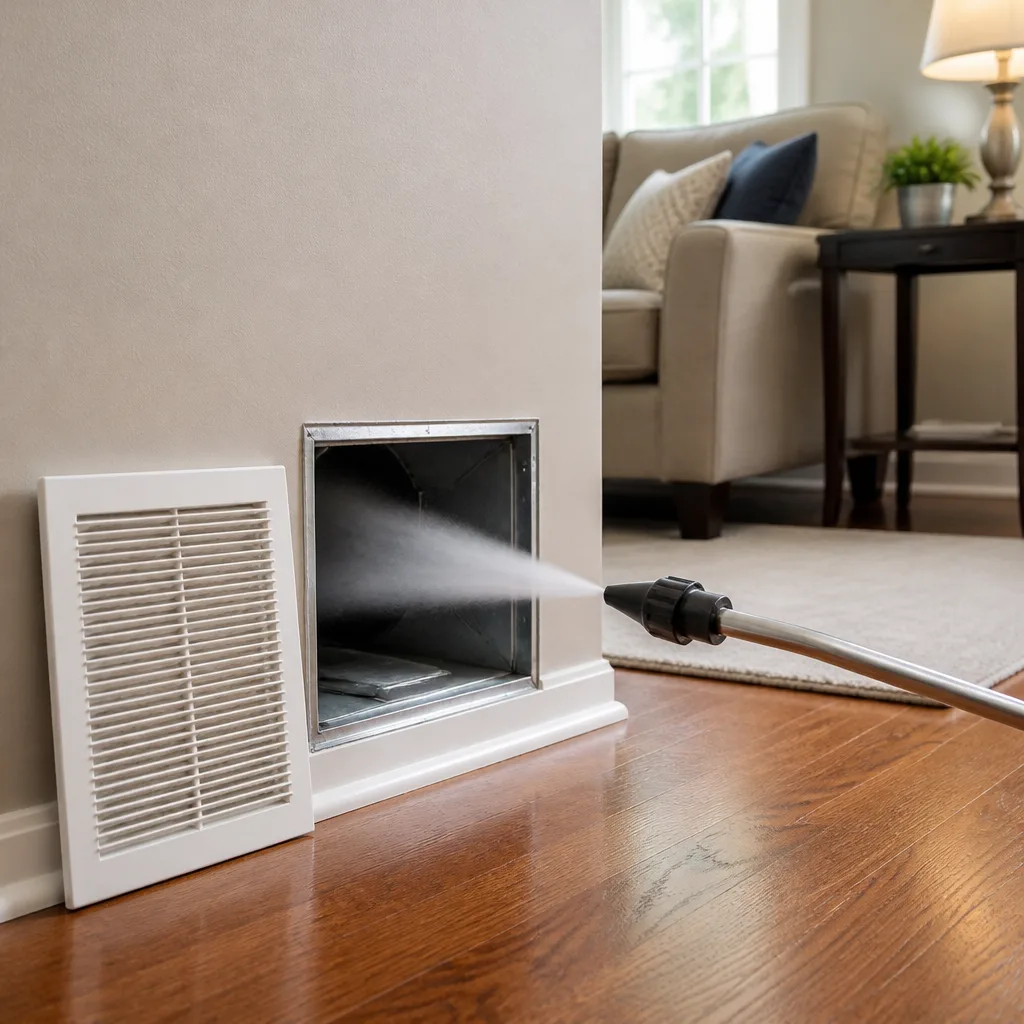 Sanitizing & deodorizing
Whole-system duct and dryer vent check with before-and-after photos - you see exactly what came out of your vents
That "$99 whole-house special" is a bait ad - the real number appears once they are in your hallway, or the "clean" is a shop-vac at the register. We photograph the inside of your ducts before and after instead.
Air Duct Cleaning Warning Signs: An Oklahoma City Homeowner’s Reference Guide
Visible dust at your registers is a late-stage warning sign. By the time you can see it, your duct system has likely been redistributing contamination for months. The trouble with most warning-sign checklists is that they describe what you notice at the finish line rather than what shows up early. In Oklahoma City, the more useful signals are quieter: a room that never quite cools, an odor that arrives only when the compressor cycles on, a filter that turns gray faster than it used to. This guide covers the subtle, performance-based and place-specific indicators that tell you contamination is already affecting how your system runs, not just how your air smells.
Quick Answer
The core warning signs you need air duct cleaning in Oklahoma City are: uneven room temperatures and longer AC run cycles you can’t blame on equipment age, musty or burning odors that appear when the system starts, allergy symptoms that worsen indoors rather than outdoors, filter media that darkens unusually fast, and visual staining or fuzz inside return boxes. One or two of these signals usually means buildup worth inspecting; three or more together generally means contamination is actively affecting airflow and air quality.
Styles & brands we work with
- Whole-home duct cleaning
- Dryer vent cleaning
- Camera inspection
- Sanitizing & deodorizing
Table of Contents
- Performance Signals: When Your System Works Harder Than It Should
- Odor Diagnostics: Reading What Your Ducts Are Telling You
- Post-Event Signals Specific to Oklahoma City
- Biological Indicators: Allergy Patterns That Track Your HVAC
- The Grille-Face and Return-Box Visual Check
- Warning Signs That Point to Duct Repair, Not Just Cleaning
- The Separate Warning System: Dryer Vents
- How to Evaluate a Duct Cleaning Company
Performance Signals: When Your System Works Harder Than It Should
Most homeowners attribute rising cooling costs and rooms that never balance out to aging equipment. In our experience, restricted airflow from contaminated ducts produces almost the same symptoms, and it’s the cheaper of the two problems to rule out first. Air moving through a duct run laden with settled debris and biological growth encounters resistance at every turn. The blower compensates by running longer, and the rooms at the end of the longest runs lose out first.
Watch for these performance patterns:
- One or two rooms that never reach the thermostat setting while adjacent rooms stay comfortable. This often points to restricted flow in a specific branch run, not a failing compressor.
- Longer cooling cycles than previous summers. If your AC used to satisfy the thermostat in a predictable window and now runs noticeably longer, airflow restriction deserves a look before you assume the unit is aging out.
- Utility bills creeping upward without a rate change or a change in how you use the house. A system that runs longer uses more power, and restricted ducts are a common reason.
- Weak airflow at specific registers. Hold your hand at each supply grille in Oklahoma City on a hot afternoon. A noticeable difference between nearby registers suggests a partial blockage or a separated run.
- Frequent filter changes. If your filter used to last the season and now loads up in weeks, the system is pulling heavier particulate through it, and some of that load is coming from the ducts themselves.
None of these signals proves a dirty duct system on its own. Together, though, they narrow the field. A duct inspection answers the airflow question directly, and if the ducts are the restriction, cleaning restores the pressure balance the system was designed around.
Odor Diagnostics: Reading What Your Ducts Are Telling You
Odors are diagnostic. Each smell pattern points to a different contamination type, and the timing of when you notice it matters as much as the smell itself.
Musty smell on first cool-down
A musty odor that appears when the AC kicks on after a stretch of disuse points to moisture-supported growth somewhere in the system, often in the evaporator coil area or the insulated duct runs downstream of it. Oklahoma City summers push high humidity through attic and garage duct runs, and condensation on cold surfaces creates the conditions biological growth needs.
Burning dust smell on first heat-up
The dusty, slightly scorched smell on the first furnace startup of fall is usually settled dust burning off the heat exchanger. If the smell persists beyond the first cycle or two, dust accumulation inside the ducts is being heated and recirculated every time the system runs.
Persistent pet or cooking odors that don’t clear
Odors that linger long after the source has left the room point to particulate loading in the duct surfaces and filter media. Grease vapor and pet dander settle onto duct walls, the HVAC system pulls air across those surfaces on every cycle, and the odor keeps recirculating. Ordinary ventilation won’t clear it because the source is inside the system.
What to do about odor signals
- Note the timing. Does the smell arrive at startup, run continuously, or only in specific rooms?
- Change the filter and observe whether the odor changes. A fresh filter that fouls and starts smelling quickly points into the ducts.
- Check for moisture sources near the air handler, including condensate pan overflow and humid Oklahoma City crawlspace or attic conditions.
- If the odor returns, have the system inspected and cleaned by a company that uses HEPA-filtration equipment, so the dislodged particulate is captured rather than redistributed.
Odor that comes from the ducts themselves is usually the last thing surface cleaning addresses and the first thing a HEPA-vacuum system actually solves. That’s why the equipment matters: evacuation under negative pressure removes the source, not just the smell at the grille.
Post-Event Signals Specific to Oklahoma City
Oklahoma City weather generates duct contamination events that generic guides never mention. If your home has been through any of the following, the warning timeline starts at the event, not at the first visible symptom.
After a hail storm
Hail doesn’t have to break a window to affect a duct system. Large hail and the wind pressure differential that comes with a severe storm can pull fine debris, insulation fibers and exterior particulate into attic duct runs and return plenums through the smallest gaps. Attic duct systems in Oklahoma City are especially exposed, and older duct insulation on top of the attic runs takes the brunt of it.
After a wildfire smoke advisory
Smoke advisories push fine carbon-based particulate into homes through every intake. Some of it bypasses the filter and settles in the duct surfaces and filter media. If you notice a lingering smoke smell indoors that doesn’t clear after the advisory lifts, the particulate has likely loaded into the system.
Flooding-adjacent moisture events
Oklahoma City sits in a region where heavy rain events and flash flooding are a fact of spring and early summer. Homes that took on water near the foundation, or that sat through a prolonged power outage with high humidity indoors, are at elevated risk for moisture inside duct runs and around the air handler. Any moisture event that touches the mechanical systems warrants a duct inspection before the next cooling season.
Recent renovation or purchase
Drywall dust, sawdust and construction debris settle into return boxes and branch runs during a remodel, and they stay there long after the plastic sheeting comes down. A home inspection on a purchase is also a good moment to look: prior owners’ habits, pets and filter maintenance history are all written into the duct system.
Biological Indicators: Allergy Patterns That Track Your HVAC
Allergy and asthma symptoms that worsen indoors and correlate with HVAC operation are one of the most telling warning signs, and one of the most commonly misattributed. The key diagnostic is correlation, not severity. Ask yourself three questions:
- Do symptoms ease when you leave the house and return when you come back? That pattern points at the indoor air, not the outdoor pollen count.
- Do symptoms spike when the system first turns on, or after a filter change? Dislodged particulate and biological growth are moving into the airstream at those moments.
- Do symptoms get worse in specific rooms? Localized reactions point at the branch runs serving those rooms.
Oklahoma City pollen seasons are real, and outdoor allergens deserve attention. What we’re describing is a different pattern: symptoms that track your thermostat schedule rather than the calendar. When that pattern shows up, the filter has already done what it can, and the remaining source is inside the duct system.
This is where integrated air-quality components matter. Honeywell and Aprilaire accessories, correctly specified for your system, raise filtration and humidity control above what a standard filter slot can achieve. Cleaning without addressing filtration just resets the clock. We approach it the other way around: clean the system, then close the gap that let it load up in the first place. If you’re also noticing contamination in the laundry run, dryer vent cleaning is a separate and equally important piece of the air-quality picture.
The Grille-Face and Return-Box Visual Check
You can inspect the most telling surfaces in your system without tools. The grille face and the return box catch the truth about what’s moving through your ducts.
What standard dust accumulation looks like
Ordinary household dust is light gray to tan, dry, uniform, and wipes away easily. A thin even film on the supply grille face after a month is normal. A thick, matted buildup is not, and it signals that the filter isn’t capturing what the system is moving.
What biological growth looks like
Look for these patterns at the return grille and just inside the return box:
- Dark gray to black staining with a fuzzy or felted texture
- Green, blue-green or whitish speckled patches on duct lining or the front edge of the return box
- A damp or cool feel to the surface when you touch it, along with staining
- Musty odor emanating from the return box even with the system off
Step-by-step visual check
- Turn the system off at the thermostat.
- Remove the return grille (usually two screws or a friction fit).
- Shine a flashlight into the return box and the first few feet of the return run.
- Photograph what you see. A before picture helps you compare after cleaning.
- Check two or three supply grilles the same way, ideally one in each zone.
- Look at the filter itself. Hold it up to light; if you can’t see through it, it has done its job and the ducts upstream deserve a look.
- Reinstall the grilles and note your observations with the date.
If you find dark, textured or damp-looking growth, don’t disturb it. Hire a professional to inspect and clean with HEPA-vacuum equipment. Visual identification at the surface is a screening tool, not a diagnosis, and the contamination type determines how the system should be cleaned.
Warning Signs That Point to Duct Repair, Not Just Cleaning
Some warning signs mean the ducts are damaged, and cleaning alone won’t solve them. Cleaning a leaking duct system is like mopping a floor with the window open. If you see any of the following, ask for a duct repair assessment alongside the cleaning quote:
- A room that’s dirty when the rest of the house is clean. This usually points to a disconnected or torn branch run drawing attic or garage air.
- Sudden pressure changes in the house. Doors that slam or resist opening on their own, or whistling at registers, can indicate separated duct joints.
- Visible duct tape peeling or disconnected joints in the attic. Take a look at the attic runs after an Oklahoma City summer; heat cycling loosens tape joints over time.
- Cold spots near duct runs and warm conditions above them. That pattern means conditioned air is escaping into the attic before it reaches the room.
Air duct repair is a service we offer as a standalone, which means findings during a cleaning job don’t require a second contractor. We clean the system, then we confirm it’s sealed. If a section is damaged, we correct it while we’re already in the attic with the equipment set up.
Our technicians have up to experience working with these systems. When you call, ask about a free duct-system evaluation that includes both the cleanliness assessment and the integrity check, so you know whether you’re looking at cleaning alone or cleaning plus repair.
The Separate Warning System: Dryer Vents
The dryer vent is part of the same air-quality and household-safety picture, and it has its own warning signs. Dryer vent cleaning isn’t a bonus service tacked onto air duct work; it’s a fire-safety service. The warning signs are different from HVAC duct signals:
- Clothes take longer than one cycle to dry, or require a second cycle to come out fully dry
- The exterior dryer vent flap doesn’t open fully when the dryer is running
- The dryer feels hot to the touch at the top or sides
- A damp, lint-heavy smell in the laundry area
- Lint visible around the back of the dryer where the vent bends
- No airflow detectable at the exterior vent, or the vent is clogged with visible lint
- The lint trap fills faster than normal, indicating the vent line is restricting airflow upstream
We recommend a professional inspection of the dryer vent line at least once a year, and more often in households with heavy use. If any of the signals above are present, don’t wait. An obstructed dryer vent line is one of the leading causes of residential fires. If you’re in Oklahoma City and you’ve noticed two or more signals from the list above, schedule a dryer vent cleaning inspection and let a professional confirm the line is clear.
We use the same systematic approach on dryer vents that we apply to HVAC ducts: a mechanical brush system to break up and remove lint buildup, combined with HEPA vacuum capture so the dislodged material is contained. The result is a clear, verified vent line and a lower fire risk, and it’s a safety assessment you can actually point to.
How to Evaluate a Duct Cleaning Company
Given the industry’s reputation for bait-and-switch pricing, the company evaluation matters as much as the warning signs themselves. The equipment is the quickest filter. Ask what machines the crew will bring into your home.
Professional duct cleaning uses:
- A rotary-brush system. Rotobrush equipment is the standard for agitating and dislodging surface contamination from duct walls; a shop vac or a compressed-air wand doesn’t do this.
- A HEPA vacuum capable of negative-pressure evacuation. Nikro and Abatement Technologies systems are what professional remediation crews use. If the company claims HEPA filtration but can’t name their equipment, ask again.
- Before-and-after photos of your own ducts. Photos of your system on the day of the job are the proof that the work was done, not stock photography.
- A flat price per system, agreed in writing before any work starts. Per-vent pricing and teaser coupons are the bait-and-switch pattern to walk away from.
Our own equipment list is straightforward: Rotobrush and Nikro, with Abatement Technologies containment products used in-process. The same equipment used on commercial and remediation job sites is what arrives at your door. Our services are three: air duct cleaning, dryer vent cleaning, and duct repair. That’s the full scope of duct-system health, and it’s the scope we stay inside.
Common Mistakes to Avoid
- Blaming every airflow symptom on equipment age. In Oklahoma City, a system that’s 8 years old can lose significant airflow to contaminated ducts alone. Rule out the ducts before you authorize an expensive equipment diagnostic.
- Replacing filters as a substitute for cleaning. A fresh filter does its job for a few weeks and then loads up quickly when the system itself is full. If you find yourself changing filters more often, the answer is inside the ducts, not at the filter slot.
- Hiring on a coupon price. A low advertised number that becomes a large invoice once the technician is on-site is the classic bait-and-switch. Ask for a flat price per system in writing before any work starts.
- Treating a musty smell as “just the season.” Oklahoma City humidity gives biological growth a foothold in duct systems, and a smell that returns every time the AC starts doesn’t fix itself. It’s telling you where the source is.
- Ignoring post-storm inspections. After a hail storm or a wildfire smoke advisory, a visual check of the return box and filter media takes five minutes. A system that was clean before the event may not be after.
- Skipping the dryer vent. The vent line runs behind the laundry equipment and nobody looks at it. The warning signals on a dryer vent are easy to miss because they show up as slower drying rather than a visible problem.
- Cleaning without checking for damage. A duct cleaning that leaves a disconnected run unrepaired wastes the work. Ask for an integrity check as part of the assessment.
See the difference
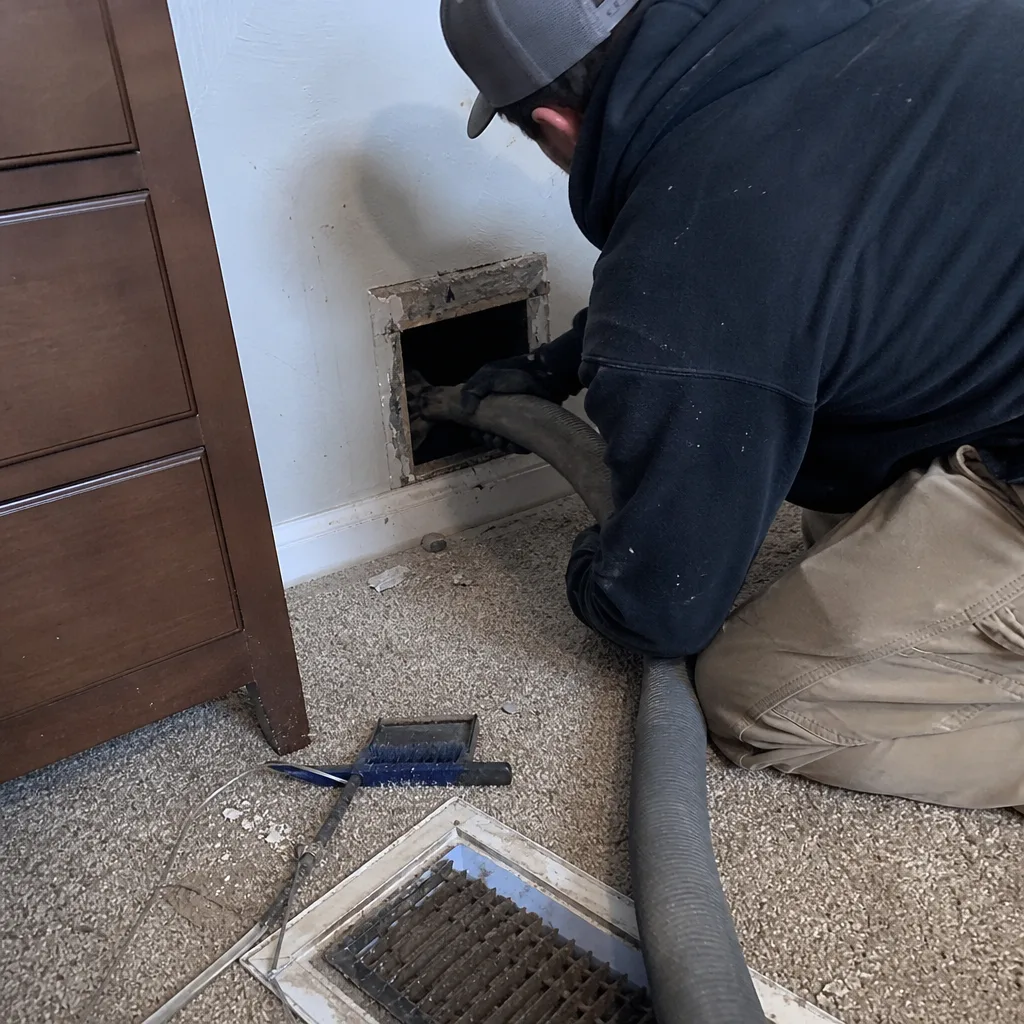 Before
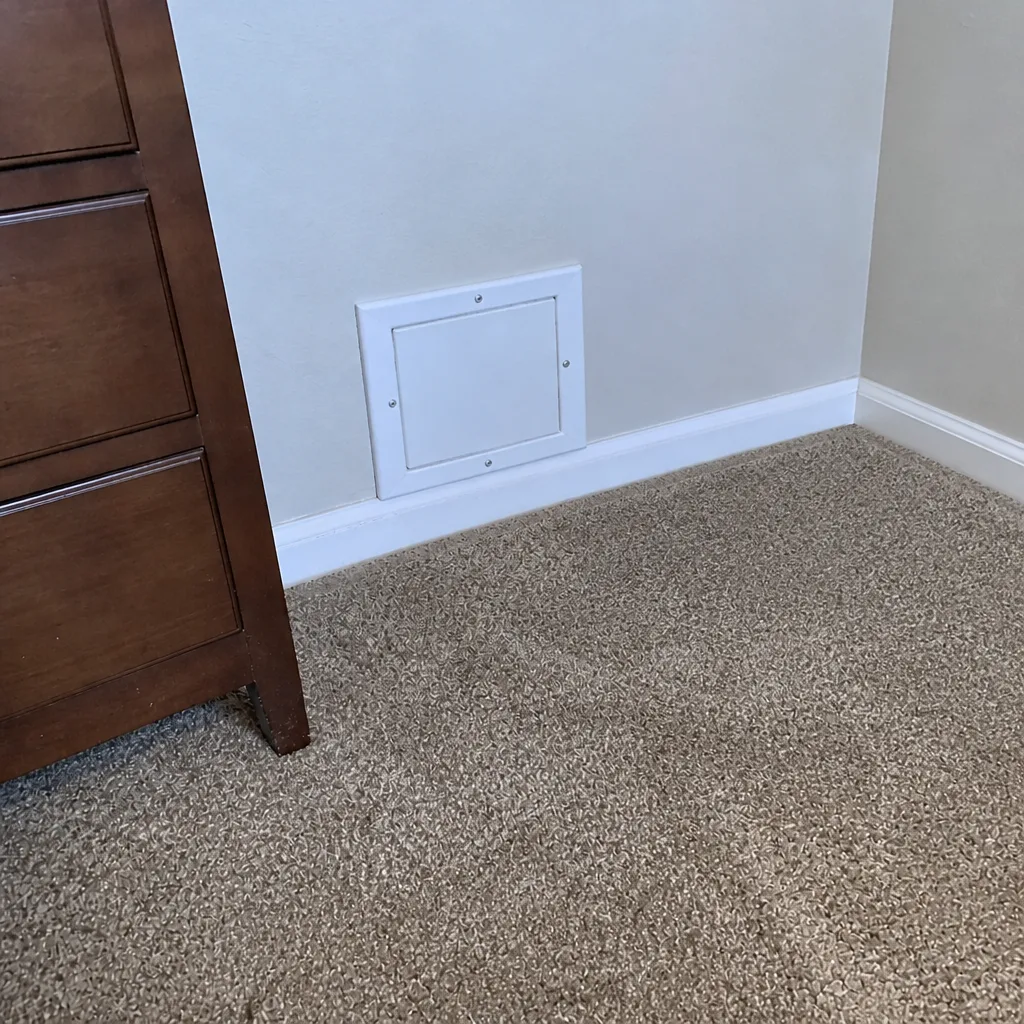 After
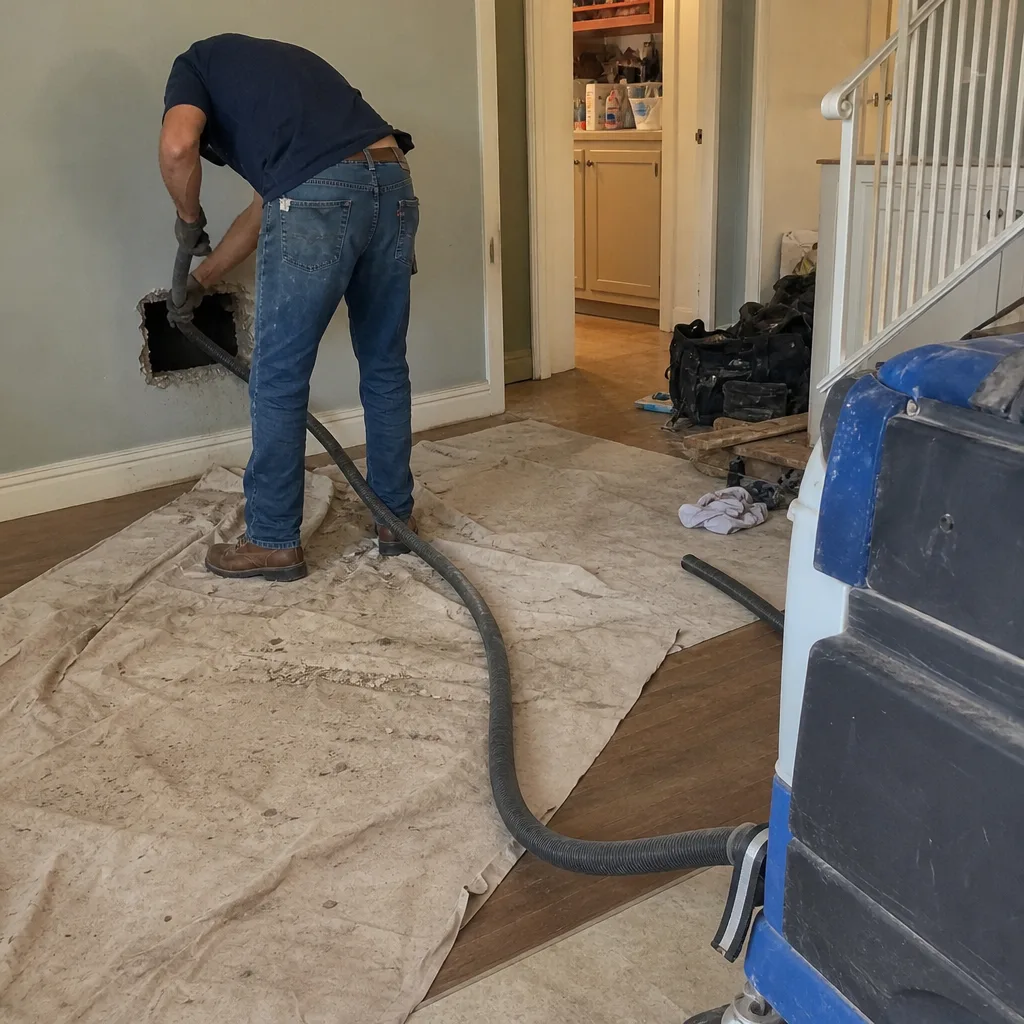 Before
 After
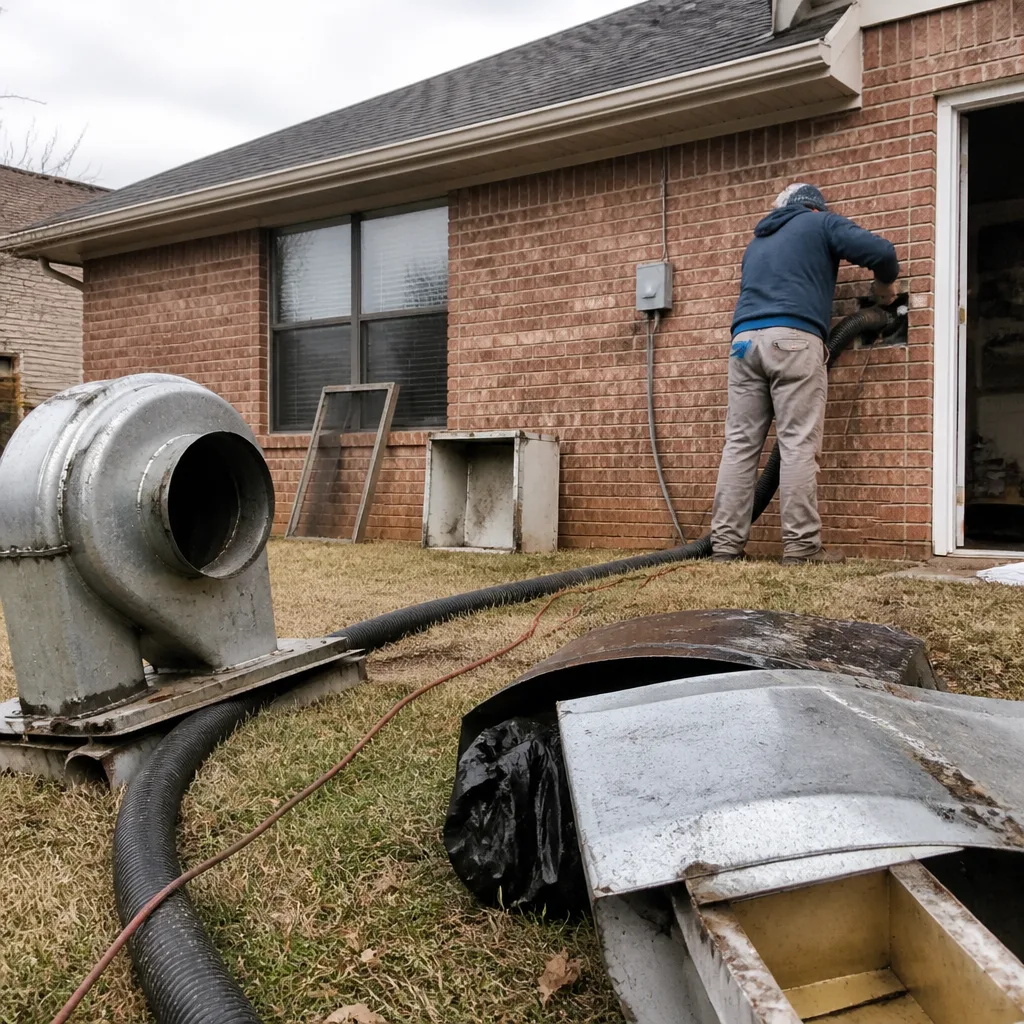 Before
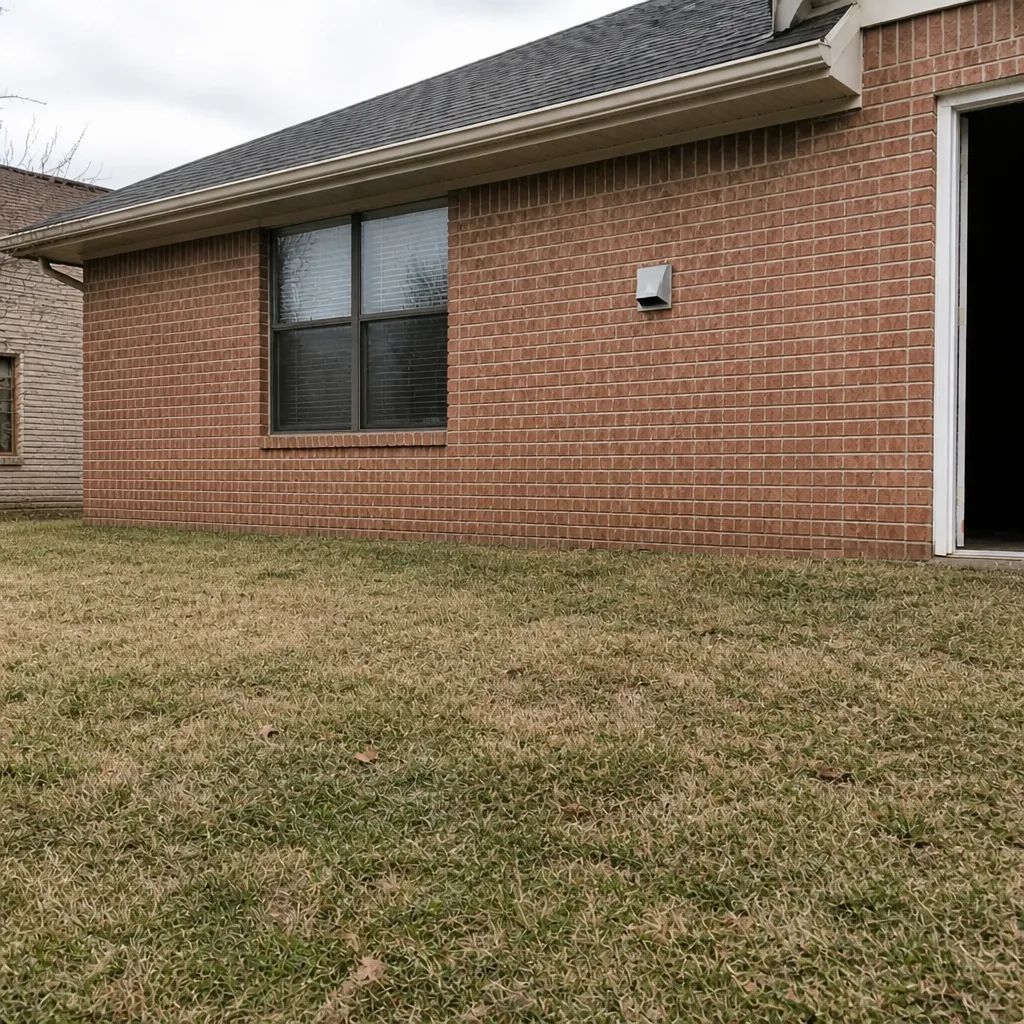 After
When to Call a Professional
Some warning signs are worth a call on their own. Call a professional if any of these apply: dark, textured or damp-looking growth inside a return box; a musty or burning odor that returns every time the system starts; allergy symptoms that clearly track HVAC operation rather than the outdoor calendar; two or more of the performance signals (uneven temperatures, longer run cycles, rising bills) at once; a recent hail storm, wildfire smoke advisory or moisture event at your home; visible damage, peeling tape or disconnected joints in the attic duct runs; or dryer vent warning signs including slower drying, lint visible around the vent line or a vent flap that doesn’t open.
Shoreline Duct Cleaning offers free estimates in Oklahoma City. Call (855) 360-8688. We answer 24/7. Fast dispatch from 7am to 7pm, Sunday through Friday. We’re serving Oklahoma City and work with residential and light-commercial clients throughout the metro. The written estimate is the final word on price, and we agree on one flat price per system before any work starts.
Frequently Asked Questions
Whole-system air duct cleaning in Oklahoma City typically runs in the low-to-mid hundreds per system, with duct repair scoped separately if damage is found. Per-vent pricing is the pattern to avoid, because it rewards the company for finding more vents on-site. Call (855) 360-8688 for an exact quote; estimates are free and the written estimate sets the final price.
Cheap quotes usually mean cheaper equipment: compressed-air wands or shop vacuums that stir up contamination rather than capture it under HEPA vacuum. A coupon price also tends to grow once the technician is on-site. Ask what machines the crew brings and whether the price is per system or per vent. Call (855) 360-8688 and we’ll walk you through how we scope a job.
Before-and-after photos of your own ducts are the proof that matters. Ask for them on the day of service, and look at the return box and one supply run in each zone. If the company can’t show you photos of your own system, the claim is unverifiable. Call (855) 360-8688 to schedule an evaluation.
A system in normal use with good filtration often goes several years between cleanings; homes with pets, recent renovation, a moisture event or allergy-sensitive occupants usually need it more often. The warning-sign checklist in this guide is a better trigger than a calendar. Call (855) 360-8688 when two or more of the signals apply and let an inspection confirm the schedule.
Restricted airflow can mean longer cooling cycles and higher bills, because the system works harder to move the same amount of air. We don’t quote savings percentages, because every home is different. An inspection confirms whether the ducts are the restriction before you replace equipment. Call (855) 360-8688 for a free estimate.
Check your return box and filter media for new staining or carbon-based darkening, and note any new musty or smoky odor in the home. If the system was clean before the event and dirty after, an inspection is warranted. Call (855) 360-8688 and we’ll tell you what we recommend based on what you found.
The Bottom Line
The subtle warning signs are the ones worth watching. Uneven room temperatures, longer AC run cycles, rising bills you can’t explain, odors that arrive only when the system starts, allergy symptoms that track your thermostat schedule rather than the outdoor calendar, and post-event changes after an Oklahoma City storm or smoke advisory all mean the same thing: contamination is already affecting how the system runs. Visible dust at the register is the version of the story you see too late. The early signals are the ones that save the equipment from working harder than it should.
Rule out the ducts first, verify the equipment, and insist on one flat price per system in writing. If you’re ready to schedule, or you just want an expert opinion on what you’ve noticed, Shoreline Duct Cleaning is here for the Oklahoma City metro. Call (855) 360-8688 for a free estimate. We answer 24/7. Fast dispatch from 7am to 7pm, Sunday through Friday.
Written by the team at Shoreline Duct Cleaning.