
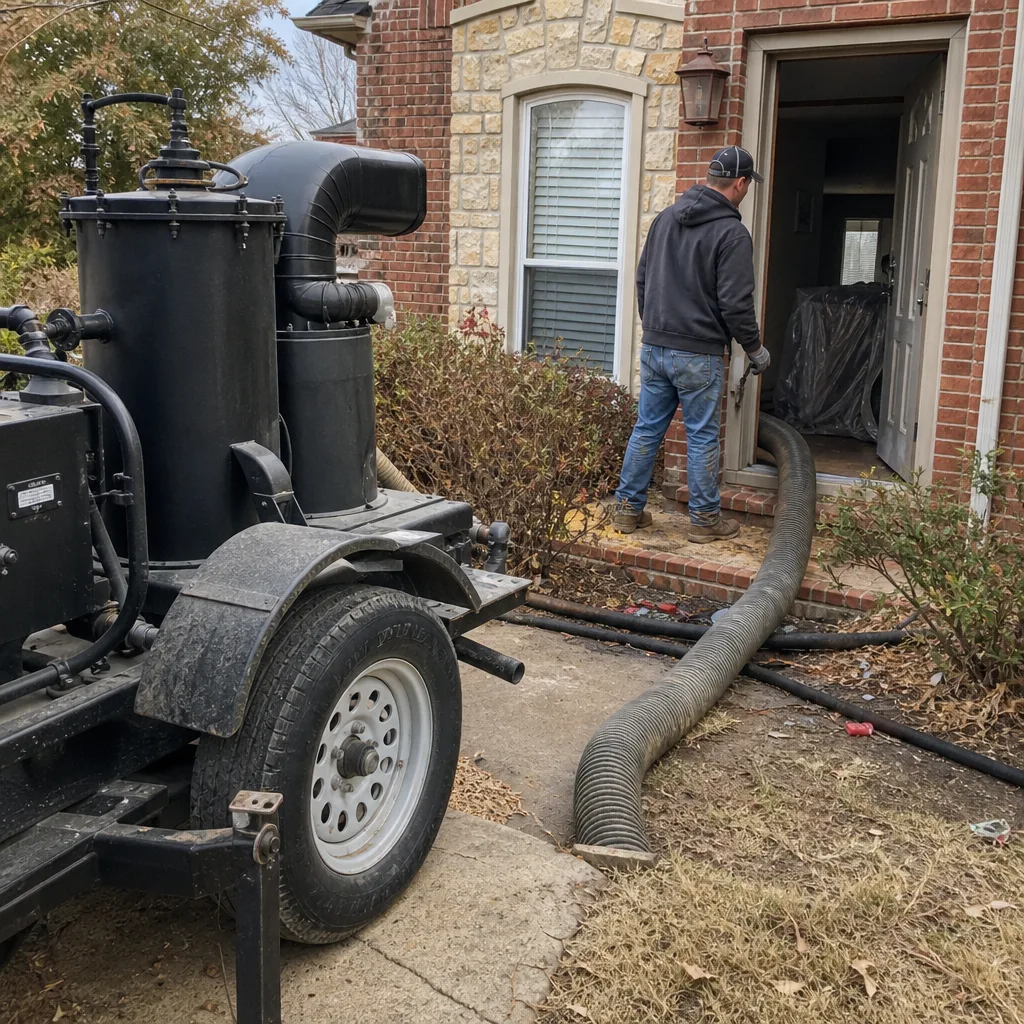
Last updated November 15, 2026
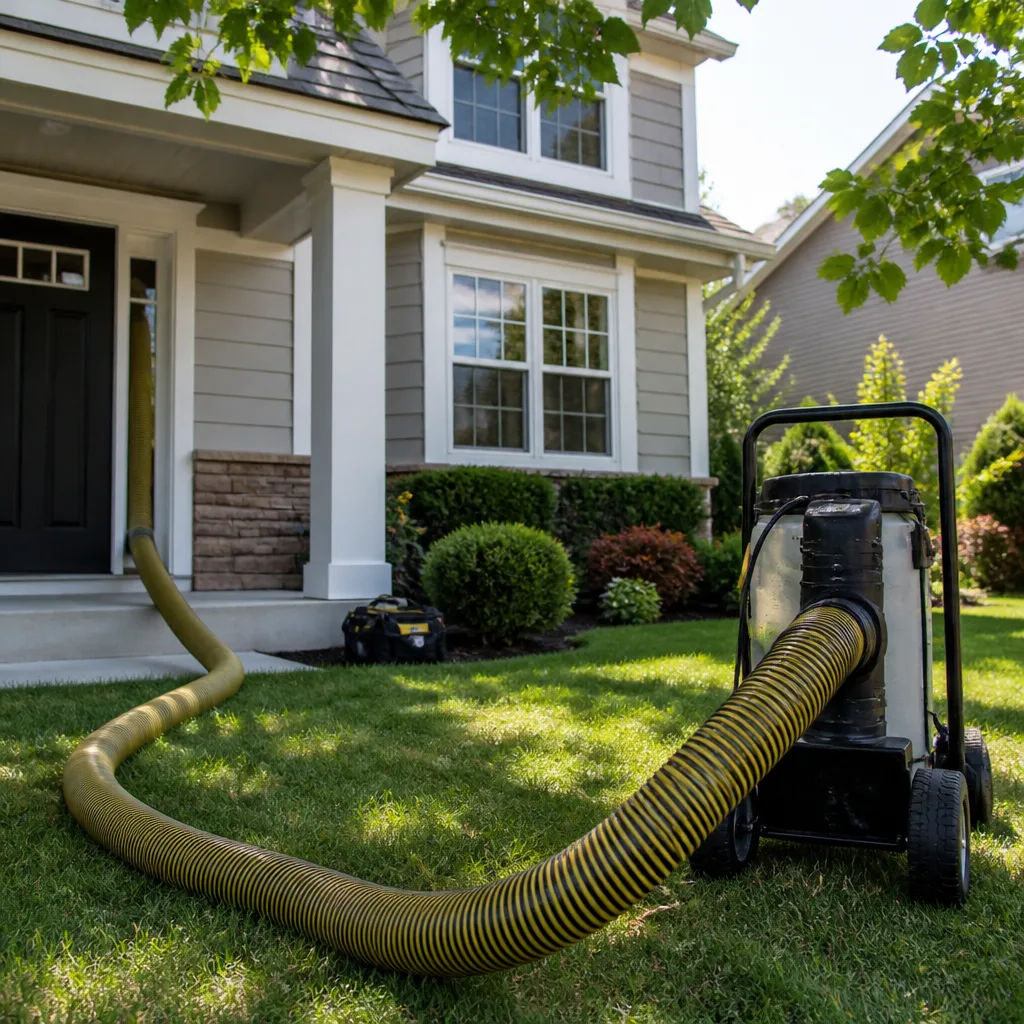 Whole-home duct cleaning
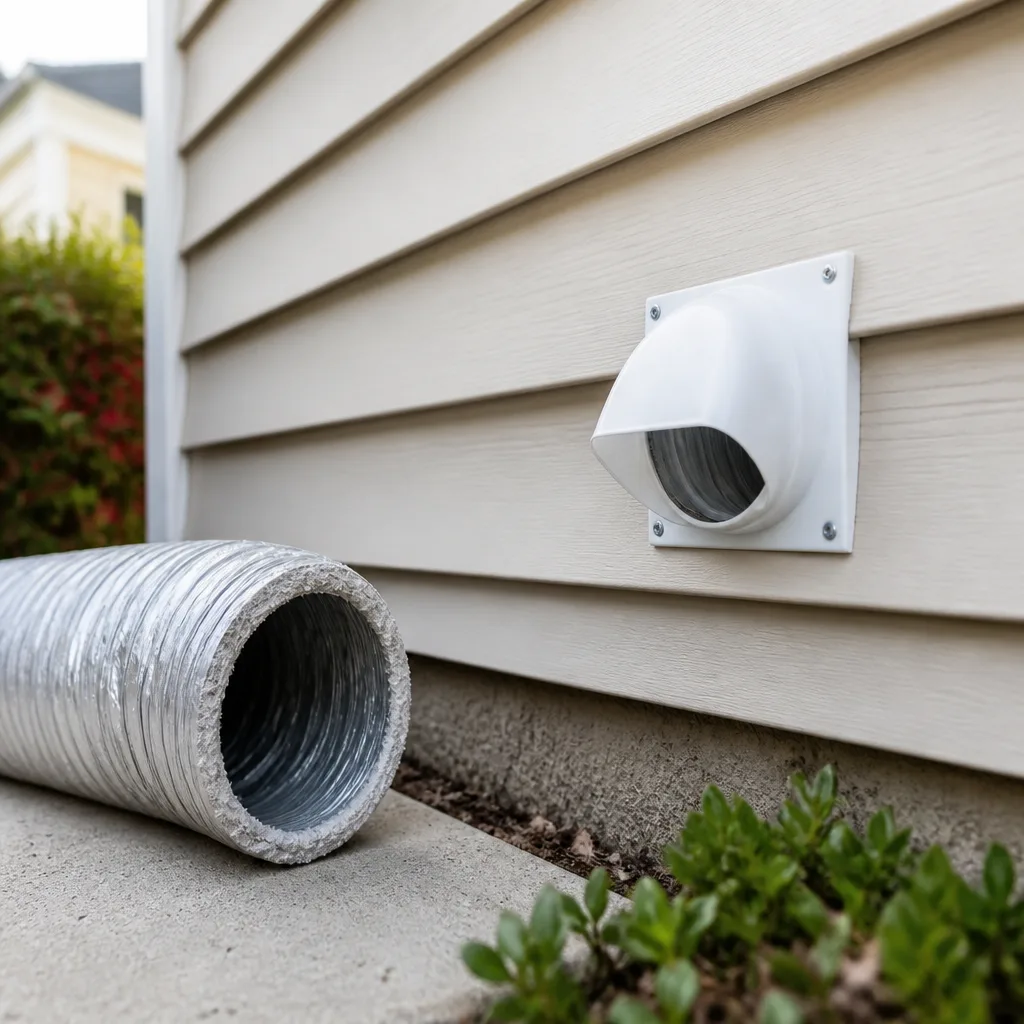 Dryer vent cleaning
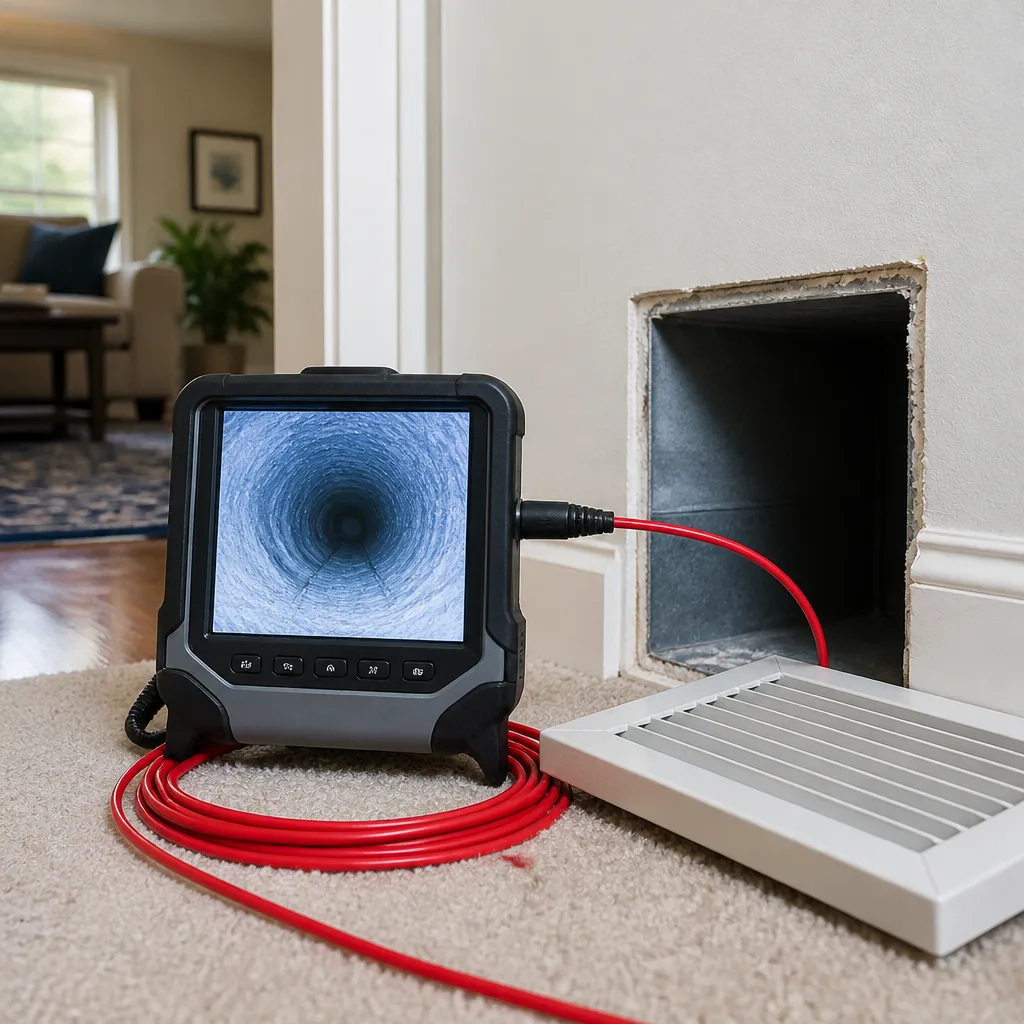 Camera inspection
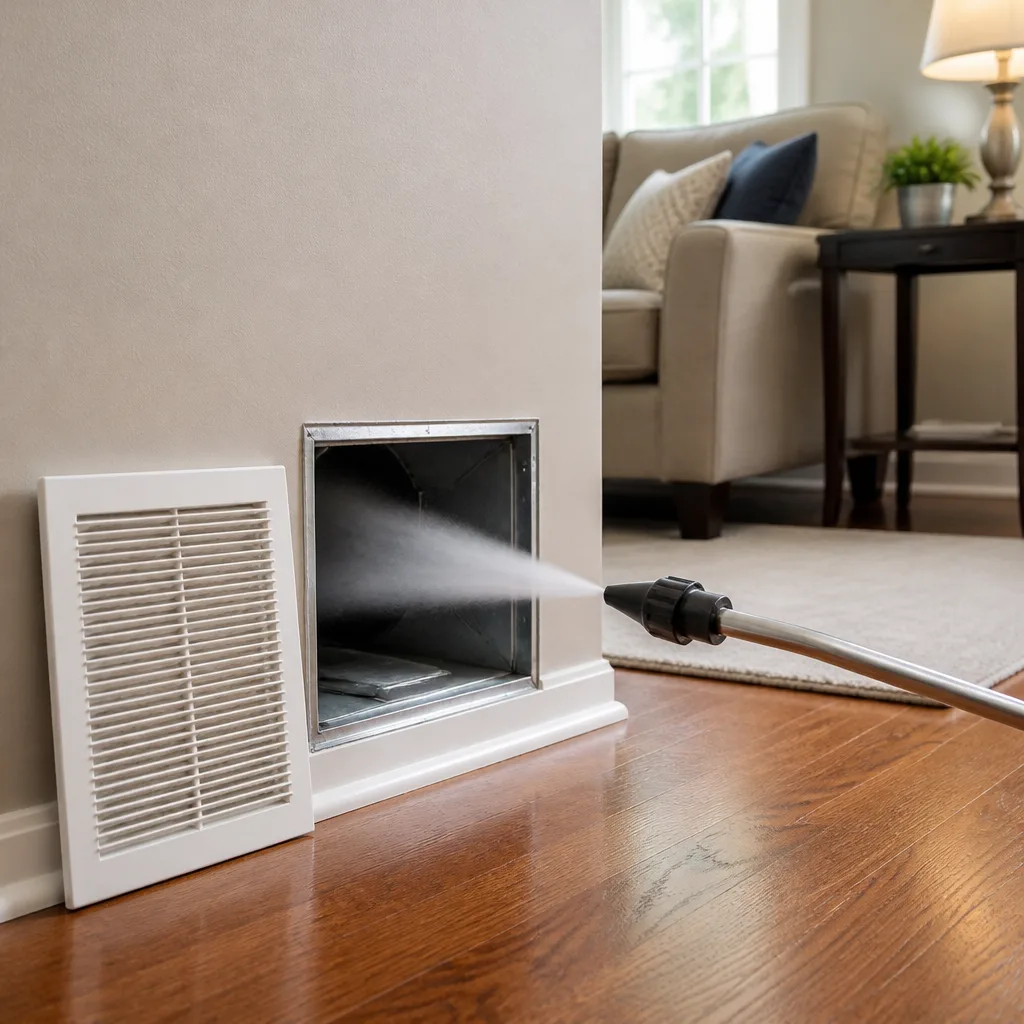 Sanitizing & deodorizing
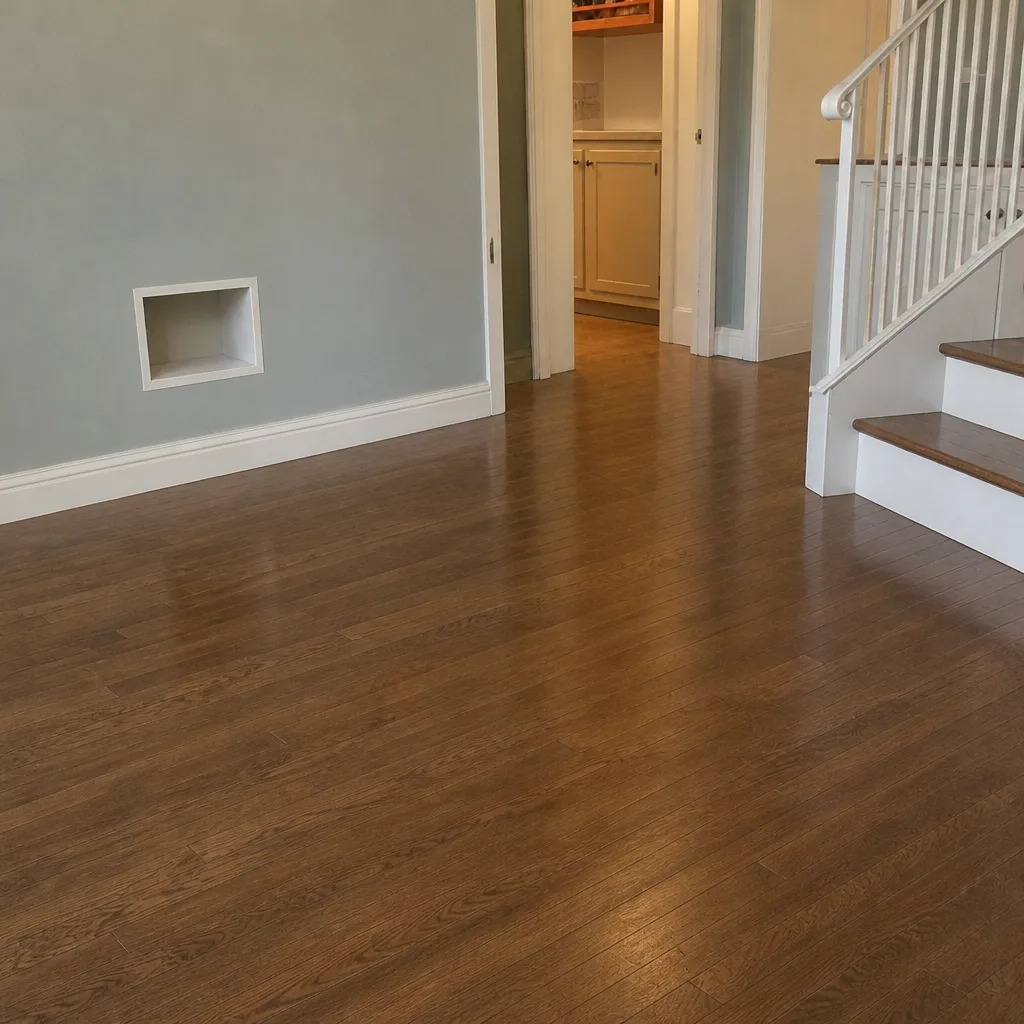
Whole-system duct and dryer vent check with before-and-after photos - you see exactly what came out of your vents
That "$99 whole-house special" is a bait ad - the real number appears once they are in your hallway, or the "clean" is a shop-vac at the register. We photograph the inside of your ducts before and after instead.
Air Duct Cleaning Cost Breakdown: The Oklahoma City Homeowner’s Reference for 2026
Two quotes land in your inbox on the same afternoon. One says $299 for the whole house. The other says $900. It’s tempting to assume the second company is gouging you, or that the first one is cutting a corner somewhere. Usually neither is true. What you’re looking at is two different scopes of work wearing the same label: one is a surface pass with a shop-vac-style machine, the other is a full mechanical cleaning with register pulls, zone-by-zone agitation, and a HEPA vacuum running the whole time. The price gap is the scope gap. This guide breaks down what actually drives cost on an Oklahoma City duct cleaning job, so you can look at any quote and know which one you’re holding. It’s a reference you can come back to before you book anything.
Quick Answer
Air duct cleaning in Oklahoma City typically runs $350 to $700 for a standard three-bedroom single-story home, with most jobs landing near the middle of that range and larger or more complex systems climbing toward $900 to $1,200. The variables that move the number most are duct count, system layout (slab-on-grade horizontal runs versus two-story vertical risers), access difficulty, and whether add-on services like coil cleaning or duct repair are needed. A whole-system flat price, agreed before work starts, is the only quote structure that lets you compare one company to another honestly.
Styles & brands we work with
- Whole-home duct cleaning
- Dryer vent cleaning
- Camera inspection
- Sanitizing & deodorizing
Table of Contents
- Per-Vent vs. Whole-System Pricing: Which One Are You Actually Looking At?
- What Drives Cost in Oklahoma City: Slab Layouts, Attic Air Handlers, and Two-Story Runs
- Line-Item Breakdown: What a Professional-Grade Job Actually Covers
- Add-On Services: Which Ones Have Real Technical Justification
- What a Fair 2026 Price Range Looks Like for a Standard OKC Home
- How to Compare Two Quotes Side by Side
- Duct Repair: When Cleaning Reveals a Bigger Problem
- Dryer Vent Cleaning: A Separate Line Item Worth Understanding
Per-Vent vs. Whole-System Pricing: Which One Are You Actually Looking At?
Most Oklahoma City homeowners comparing duct cleaning quotes are comparing two different pricing models without realizing it. The per-vent model charges a set dollar figure for each supply register in the house, and the total grows as you count vents. The whole-system model charges one flat price for the entire duct system regardless of how many registers feed it. Neither is inherently dishonest, but they behave very differently when you try to compare them.
Here’s the practical problem with per-vent pricing: the per-vent rate is usually set low enough to look attractive, then the vent count in a typical three-bedroom home pushes the total up. A home with 14 supplies and 3 returns is not the same job as one with 8 supplies and 1 return, but per-vent quotes rarely reflect the difference in return-side work, which is where a lot of the contamination actually sits. Return plenums and trunk lines carry the bulk of the dust load, and a per-vent rate sheet doesn’t usually account for them.
Whole-system pricing is more transparent because it forces the company to inspect the system first, give you one number, and stand behind it. That one number covers the supplies, the returns, the trunk runs, and the air handler cabinet opening. When you’re comparing quotes across companies, you can convert a per-vent quote to a rough whole-system equivalent by multiplying the per-vent rate by the total register count and adding whatever the company charges for return-side work. If the company can’t or won’t tell you what return-side work costs, that’s the answer you needed.
At Shoreline Duct Cleaning, we price per system, not per vent, because a vent count doesn’t tell us what the trunk line looks like or how many zones the system runs. One flat price per system, agreed before work starts, means the number you approved is the number on the invoice.
What Drives Cost in Oklahoma City: Slab Layouts, Attic Air Handlers, and Two-Story Runs
Oklahoma City’s housing stock creates cost variation that a flat national pricing chart can’t capture. The biggest driver is foundation type. A large share of metro-area homes are built slab-on-grade, which means the ductwork typically runs horizontally through the slab or a shallow chase with long trunk runs and shorter branch takeoffs. Those systems are often easier to access at the register but harder to reach along the trunk, because the horizontal runs are laid out in a straight line with fewer cleanout points. A technician working a slab home in Oklahoma City deals with long, low runs and limited line-of-sight into the duct.
Two-story homes in Oklahoma City present the opposite problem. Vertical risers carry conditioned air from a first-floor or attic air handler up to second-floor registers, and those risers are narrower, sometimes flex duct, and often routed through wall chases with tight clearances. Attic air handlers are common here too, and an air handler sitting in a 130-degree attic in July changes the access time on a job. The technician has to climb, set up, and work in a hot space, and that time is real.
Other cost factors specific to Oklahoma City homes:
- Duct type. Sheet metal is straightforward. Flex duct requires gentler agitation and sometimes additional passes, which adds time.
- Ductboard. Interior-lined fiberglass ductboard is common in OKC homes built in certain decades, and it needs lower-pressure agitation to avoid damaging the lining.
- Number of zones. A single-zone system on a 1,500-square-foot home is a shorter job than a two-zone system with separate trunk branches.
- Access condition. Registers buried behind furniture, blocked by built-ins, or located in hard-to-reach soffits add setup time.
- Contamination level. A home that just finished a renovation, or one that hasn’t been cleaned in many years, needs more agitation passes.
We’ve worked enough Oklahoma City homes to know that no two systems price the same, and we’d rather tell you that up front than pretend every job fits a chart. Our technicians have up to experience reading these layouts and pricing them accurately before anyone picks up a tool.
Line-Item Breakdown: What a Professional-Grade Job Actually Covers
A professional duct cleaning is not a single action; it’s a sequence. Understanding the sequence tells you what a fair price is paying for. Here’s how a full-system job breaks down, in order.
- Vacuum hook-up and negative-pressure setup. The HEPA vacuum is connected at the air handler or a trunk access point, and the system is placed under negative pressure before any agitation begins. This is what keeps dislodged dust from blowing back into the living space. It’s also the step that separates a real cleaning from a compressed-air pass.
- Register and grille pulls. Supply and return covers are removed so the technician can reach the branch runs and inspect the duct interior directly. Registers are cleaned and reinstalled at the end.
- Zone-by-zone agitation. A rotary brush is fed through each branch line and trunk section while the vacuum pulls. Each zone gets multiple passes depending on contamination level. This is where the bulk of the labor sits, especially on a slab home with long horizontal runs.
- Return plenum and air handler cabinet access. The return side and the air handler cabinet hold the heaviest dust load in most systems. They get their own access point and their own agitation sequence.
- Post-cleaning inspection and photo documentation. The technician inspects each zone and takes before-and-after photos so you can see what changed.
That sequence is why a professional-grade job costs what it costs. We use Rotobrush rotary-brush systems and Nikro HEPA vacuums, the same equipment specified on commercial and restoration job sites, along with Abatement Technologies components for containment and filtration during the work. The equipment is not decoration; it’s what makes the sequence possible. A shop vac and a wand can’t hold negative pressure across a whole system, and that’s the technical difference between a cheap quote and a real one.
For a closer look at the process itself, see our air duct cleaning page.
Add-On Services: Which Ones Have Real Technical Justification
Not every add-on is an upsell, and not every upsell is worth the money. The way to tell the difference is to ask one question: does this service address a problem the cleaning just exposed, or does it just sound good on the invoice?
Add-ons with real technical justification
- Evaporator coil cleaning. If the coil is fouled, cleaning the ducts without cleaning the coil leaves the contamination source intact. The coil sits downstream of the return and collects dust the ducts shed. Cleaning it is a legitimate part of restoring system airflow.
- Sanitizer application. When a system shows microbial growth on the duct surfaces, a sanitizer is a defensible next step. Ask what product is being used and why. Honeywell and Aprilaire components are common in OKC homes, and a company that knows those systems can tell you whether a sanitizer is appropriate for your setup.
- Filtration upgrades. If the filter cabinet is undersized for the system or the filter is a cheap throwaway type, upgrading to a properly sized media filter or an Aprilaire cabinet addresses the reason the ducts got dirty in the first place.
- Duct repair or sealing. If the cleaning reveals disconnected joints, torn flex, or leaking trunk sections, repairing them is not an add-on; it’s finishing the job.
Add-ons worth questioning
- Enzyme fogging without a documented reason. A fogger can make the house smell clean, but if no growth was found and no test was done, the justification is thin.
- UV lights pitched as a cure-all. UV systems serve a specific purpose in specific locations. If a company leads with a UV light before inspecting the system, ask why.
- Per-vent “deep clean” upgrades. A whole-system clean either reaches the whole system or it doesn’t. A per-vent upgrade tier is usually a pricing structure, not a technical one.
The rule of thumb: if the add-on addresses a problem that was found during inspection and documented with photos, it’s worth considering. If it’s offered before anyone looks, ask for the reason in writing. We’re authorized to work with Honeywell and Aprilaire air-quality components, which means we can clean the system and address the source of contamination rather than just the surface debris.
What a Fair 2026 Price Range Looks Like for a Standard OKC Home
For a three-bedroom single-story Oklahoma City home with a standard trunk-and-branch layout, a professionally priced whole-system duct cleaning typically runs $350 to $700. That range covers the full sequence described above: setup, register pulls, zone-by-zone agitation, return and air handler access, and photo documentation.
Here’s what pushes a job toward the top of that range or above it:
- Larger square footage or more registers. A 2,800-square-foot home with 18 supplies and 4 returns is not the same labor as a 1,500-square-foot home with 10 supplies and 2 returns.
- Two-story layouts with vertical risers. Attic air handlers and vertical chases add access time.
- Heavy contamination from renovation or long neglect. More passes, more time.
- Ductboard or flex systems that need gentler handling. Lower pressure means more passes to reach the same result.
- Combined services. Cleaning the ducts plus the dryer vent plus the coil on the same visit adds line items, not a discount.
And here’s what keeps a job at the bottom of the range: a smaller, single-zone system, easy access, a home cleaned on a reasonable schedule, and no repair or add-on work needed.
Every number above is a typical estimate, not a quote. The written estimate sets the final price, and we don’t charge for the estimate itself. On the return side, if you want to clean the dryer vent cleaning at the same time, we quote it separately as a standalone service, because it’s a fire-safety job, not a bonus line.
How to Compare Two Quotes Side by Side
Most quote comparisons fail because the homeowner doesn’t have the same information from both companies. Use this checklist to level the field.
- Ask what equipment is being used. If the answer is “a vacuum,” ask which one. Professional-grade jobs name the system, because it’s the standard. Rotobrush and Nikro are the names that show up on commercial and remediation sites.
- Ask whether returns and the air handler cabinet are included. If they aren’t, the vents-only quote is not the same scope as a whole-system quote.
- Ask whether the price is per system or per vent. Convert to a per-system equivalent so you’re comparing the same thing.
- Ask whether photos are included. Before-and-after documentation is the only proof the work was done.
- Ask what happens if duct damage is found mid-job. If the company can’t repair it, you’ll be booking a second contactor, and the true cost of the job just doubled.
- Ask whether the price is final or whether additional passes cost extra. A flat price per system means the number doesn’t move mid-job.
A cheap quote is cheap because it does less. A high quote is high because it does more. The only thing you can’t do is compare two quotes that don’t cover the same work, which is why we put the scope in writing before the work starts.
Duct Repair: When Cleaning Reveals a Bigger Problem
Cleaning a duct system often reveals damage that wasn’t visible from the register side. Disconnected flex joints, torn liners, crushed sections under flooring, and leaking trunk seams all show up once the duct interior is inspected. On a slab home, the horizontal runs can develop separations at the takeoff collars. On a two-story with attic air handlers, the flex runs in the attic are prone to kinks and tears.
This is why duct repair matters as its own service. A company that only cleans can only tell you the duct is broken. A company that cleans and repairs can fix it on the same visit, closing the system back up so the cleaning actually holds. If your quote doesn’t include repair capability, ask what happens if damage is found, and get the answer in writing before the job.
Repair pricing varies by the extent of the damage: a single reconnected joint is a smaller line item than replacing a crushed trunk section. We scope repair separately from cleaning so you see exactly what’s being fixed and why. For the local context, you can read more about how we serve Oklahoma City homes and what a typical repair inspection looks like.
Dryer Vent Cleaning: A Separate Line Item Worth Understanding
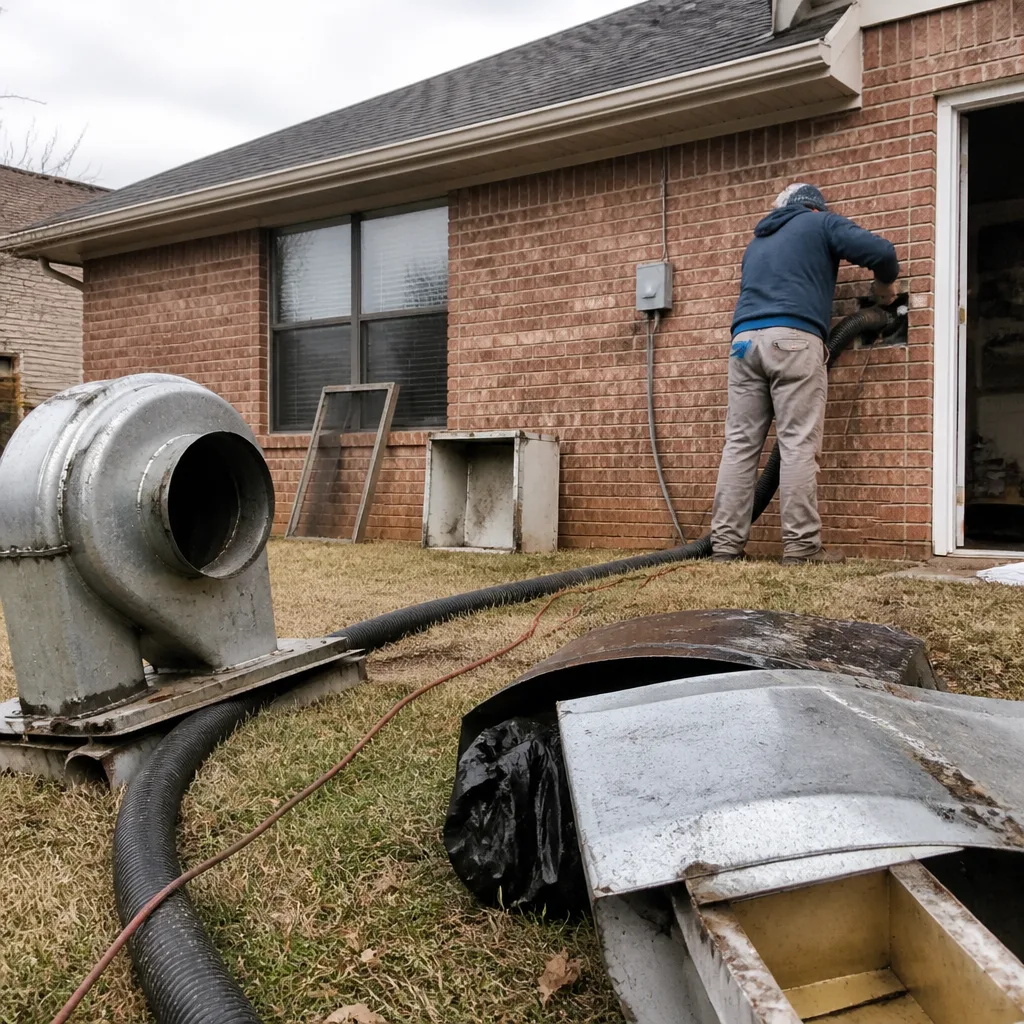
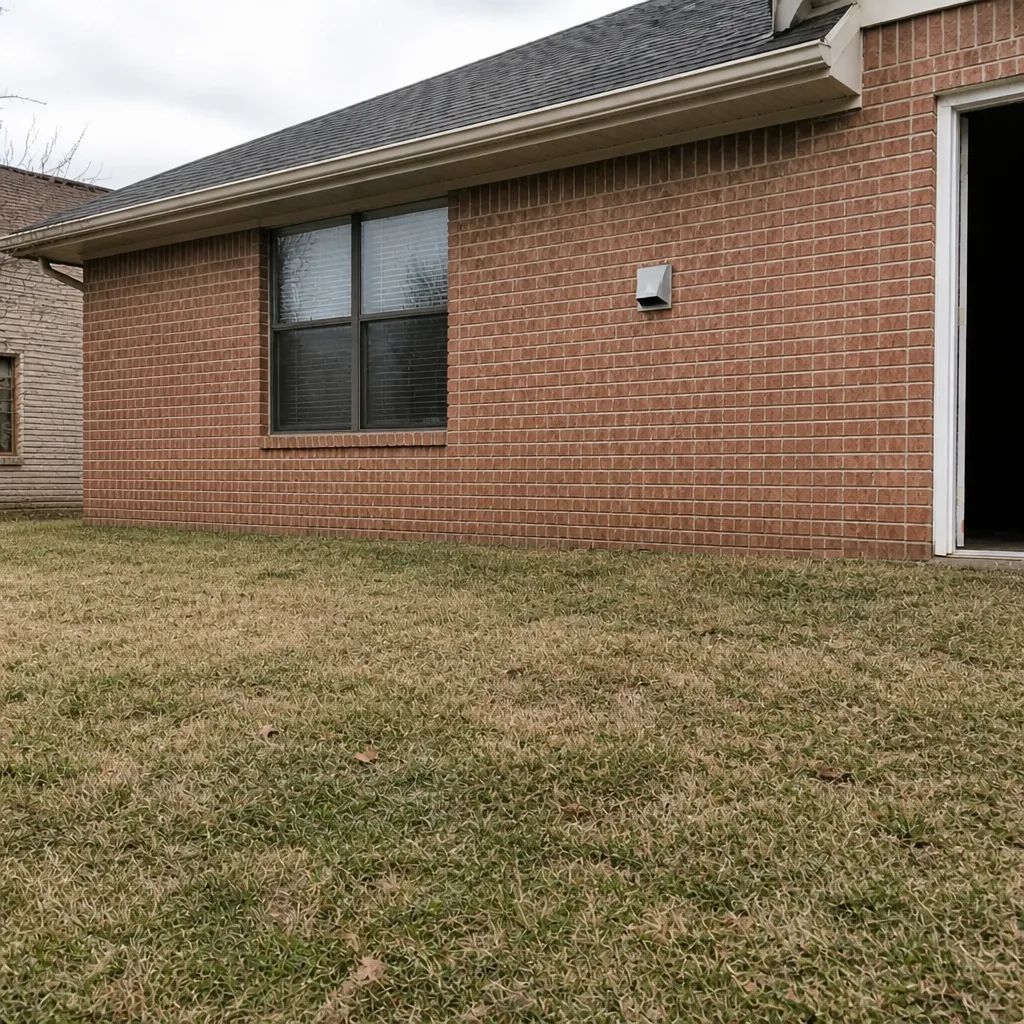
Dryer vent cleaning is often tacked onto a duct cleaning invoice as an afterthought. It shouldn’t be. A clogged dryer vent is a fire-safety issue, and it needs the same systematic approach as HVAC ductwork: access inspection, full-length agitation with a rotary tool, and a HEPA vacuum running the whole time to capture lint that would otherwise go back into the laundry room. It’s priced as a standalone service because it is one.
Oklahoma City homes with long dryer vent runs, especially vent runs that exit through a wall and then up through an attic or roof, are the highest priority. Lint accumulates at every elbow, and a run that’s already restrictive gets worse as it fills. Our dryer vent cleaning service treats this the way we treat ductwork: mechanical agitation, HEPA capture, and a post-cleaning check of airflow.
If you’re booking both on the same visit, ask for them itemized separately. A single bundled number hides which service you’re paying for, and you want to know the fire-safety work was actually done.
Common Mistakes to Avoid
- Booking on the lowest per-vent rate alone. A low per-vent number often excludes returns, the air handler cabinet, and trunk work, so the final invoice climbs. Convert to a per-system equivalent before you compare.
- Skipping the equipment question. A compressed-air wand with a shop vac behind it does not hold negative pressure across a system, and dust ends up back in the living space. Ask which HEPA system is being used.
- Assuming all OKC homes price the same. A slab-on-grade single-story in the metro and a two-story with an attic air handler in the suburbs are different jobs. Flat pricing charts that don’t account for layout are misleading.
- Ignoring dryer vent cleaning because the ducts are being done. They’re two separate systems, two separate fire risks, and two separate line items. Treating the dryer vent as a bonus is how people skip it for years.
- Accepting an add-on without documentation. If a sanitizer or UV light is offered before anyone inspects the duct interior, ask what specific finding justifies it. The right answer is a photo and a description, not a sales pitch.
- Skipping the repair question. If the company can’t fix a disconnected joint or a crushed section, you’ll be calling someone else after the cleaning, and paying twice for access.
- Assuming all quotes cover the same scope. Register pulls, return plenum access, and photo documentation are the difference between a real job and a surface pass. Ask what’s included in writing.
See the difference
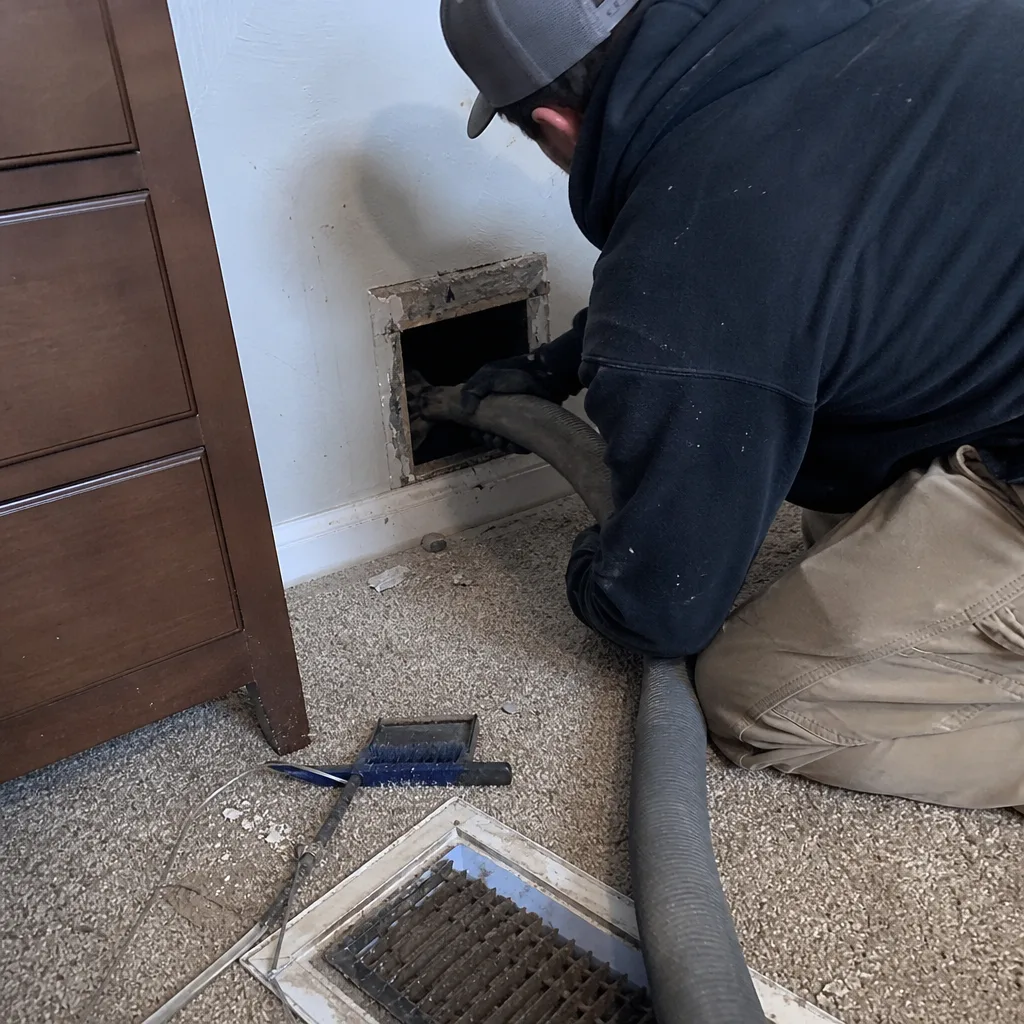 Before
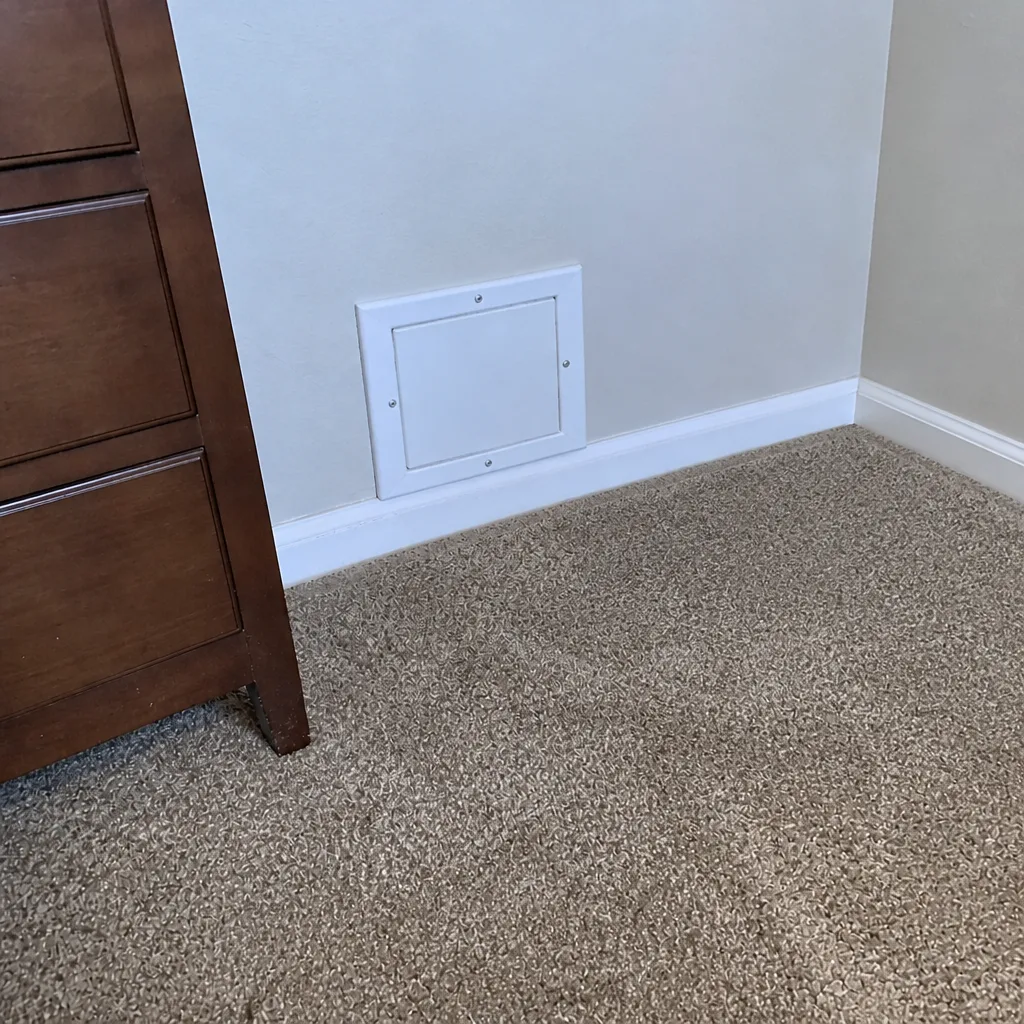 After
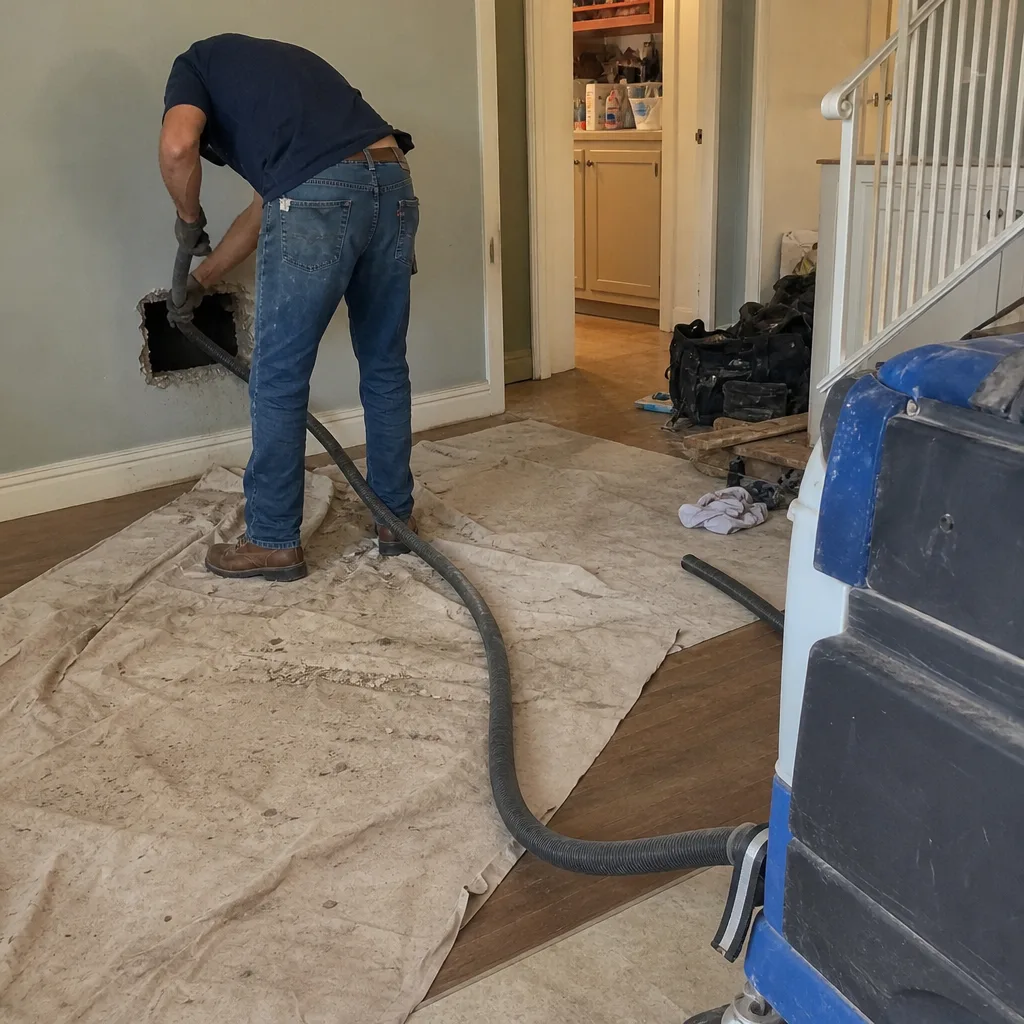 Before
 After
 Before
 After
When to Call a Professional
Not every home needs duct cleaning on a schedule, but certain conditions make it urgent. Visible dust blowing from registers after a filter change, a musty odor that persists when the system runs, allergy symptoms that flare when the air comes on, and a recent renovation that filled the house with drywall dust are all reasons to book a professional inspection. A new-home purchase is another: you don’t know the system’s history, and a cleaning plus inspection gives you a baseline. In Oklahoma City, homes with attic air handlers benefit from a check whenever the system starts running harder in summer, since heat and dust load combine in the attic. If a cleaning job reveals damaged or leaking duct sections, having repair capability on the same visit matters more than the cleaning price alone.
Shoreline Duct Cleaning offers free estimates in Oklahoma City. Call (855) 360-8688. We answer 24/7. Fast dispatch from 7am to 7pm, Sunday through Friday.
Frequently Asked Questions
Air duct cleaning in Oklahoma City typically costs $350 to $700 for a standard three-bedroom single-story home, with larger or more complex systems running $900 to $1,200. The range depends on duct count, layout, access, and whether add-ons or repair work are needed. Call (855) 360-8688 for an exact quote, since estimates are free.
Cheap quotes usually cover a different scope: registers only, no return plenum, no air handler access, and no photo documentation. A real whole-system clean includes all three, plus a HEPA vacuum running the whole time. If the quote doesn’t specify equipment and scope, ask before you book. Call (855) 360-8688 to compare scope line by line.
Ask for before-and-after photos of your own ducts, not stock images from a brochure. A technician using Rotobrush and Nikro equipment can document each zone before and after agitation. If a company can’t or won’t photograph your system, that’s a sign to look elsewhere. Call (855) 360-8688 to see how we document a job.
Most homes do well with a cleaning every few years, but the interval depends on the system and the household. Recent renovation, pets, allergy concerns, or a home with an attic air handler running hard through summer all shorten the interval. If airflow or odor problems return quickly, it’s worth an inspection sooner. Call (855) 360-8688 to talk through your system.
Duct repair is a separate line item, not something tucked into a cleaning quote. If the inspection finds disconnected joints, torn flex, or crushed trunk sections, the repair is scoped on its own so you can see what’s being fixed. Call (855) 360-8688 to ask about repair as a standalone service.
Dryer vent cleaning is a standalone service with its own price, not an add-on to duct cleaning. It’s a fire-safety service and gets the same rotary brush and HEPA vacuum approach we use on HVAC ductwork. A long vent run that exits through a wall or roof is the highest priority. Call (855) 360-8688 to book it separately or alongside a duct cleaning.
The Bottom Line
The cheapest duct cleaning quote and the most expensive one are usually not the same service at different prices. They’re different scopes. A whole-system flat price, written before work starts, with register pulls, return plenum access, and before-and-after photos included, is what you should be comparing. For a standard three-bedroom Oklahoma City home, expect $350 to $700, with the top of the range driven by two-story layouts, attic air handlers, ductboard or flex systems, and combined repair or dryer vent work. Estimate the scope first, then the price makes sense. The written estimate sets the final price, and the equipment names are the proof of what’s included.
If you’re ready to get an accurate number for your Oklahoma City home, call (855) 360-8688 for a free estimate. We answer 24/7. Fast dispatch from 7am to 7pm, Sunday through Friday.
Written by the team at Shoreline Duct Cleaning.