
Last updated November 15, 2026
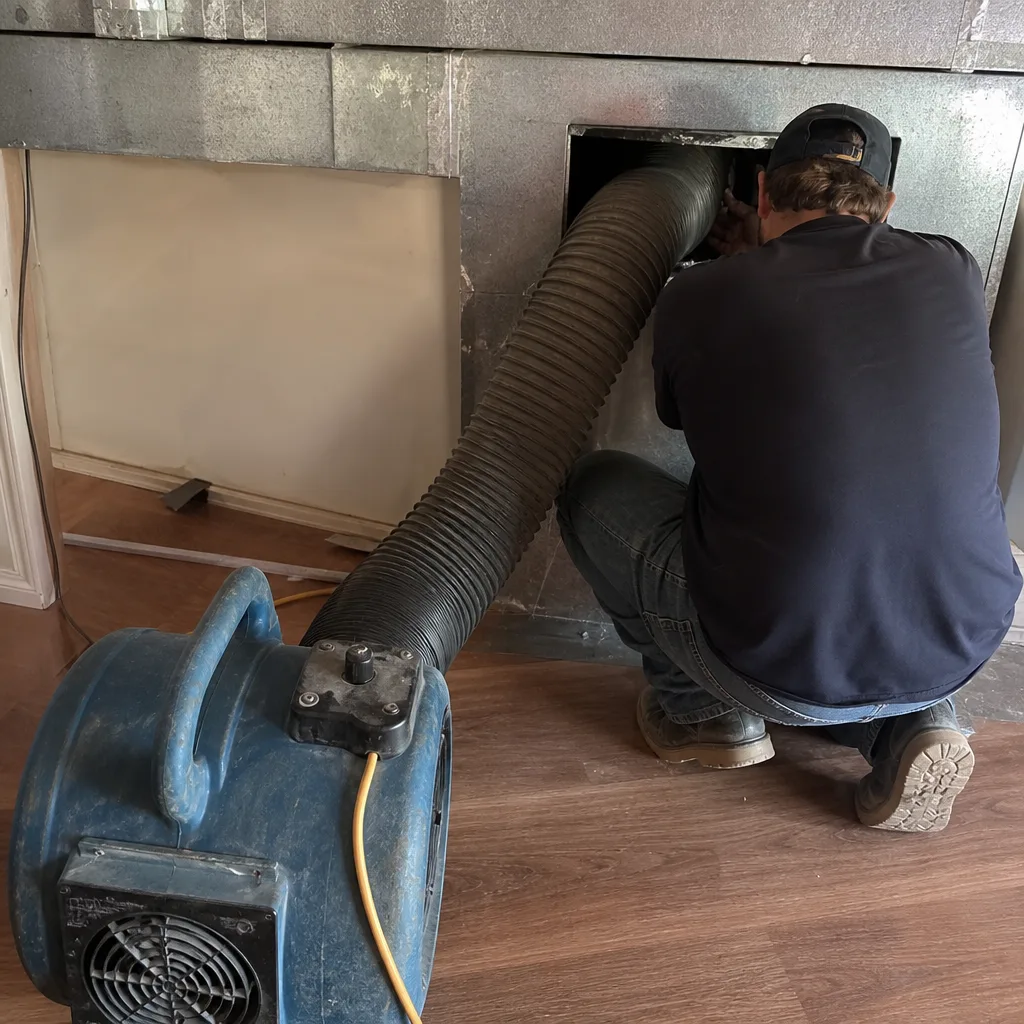
 Whole-home duct cleaning
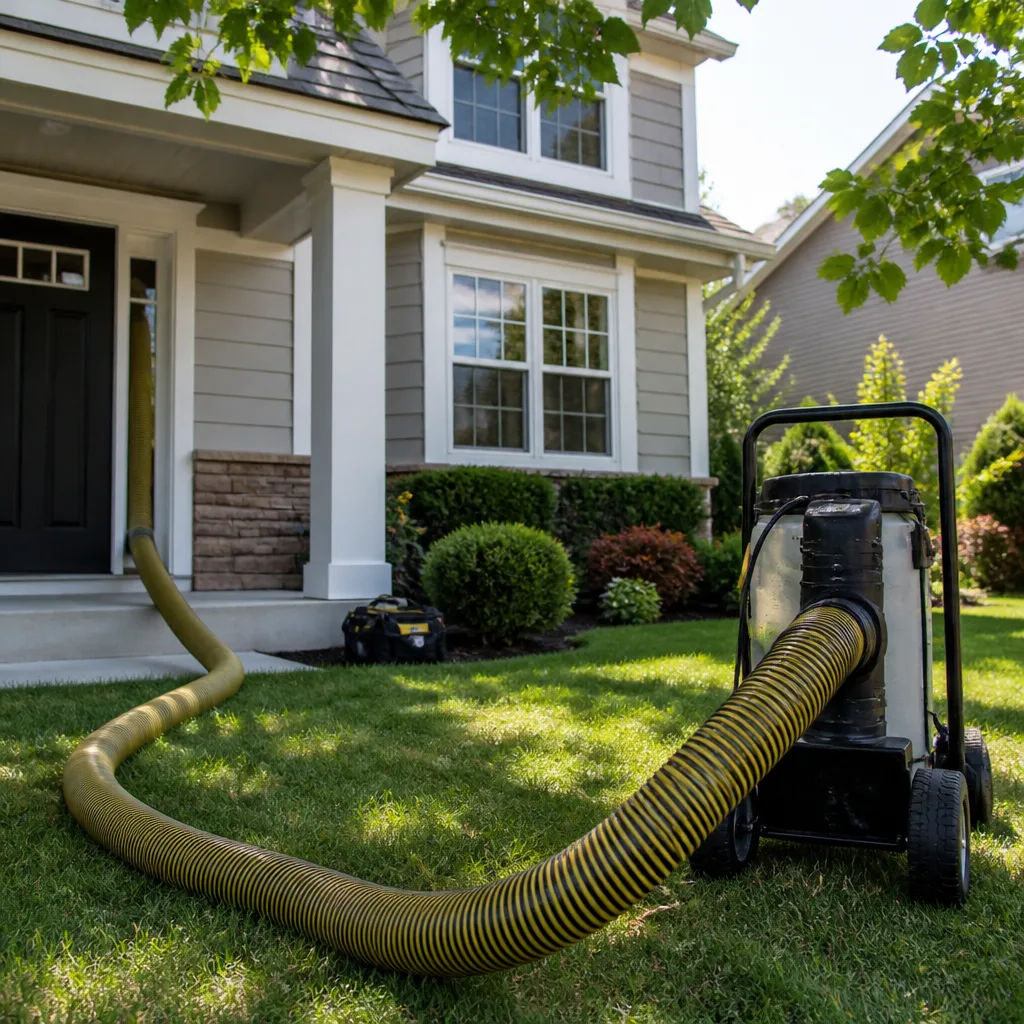
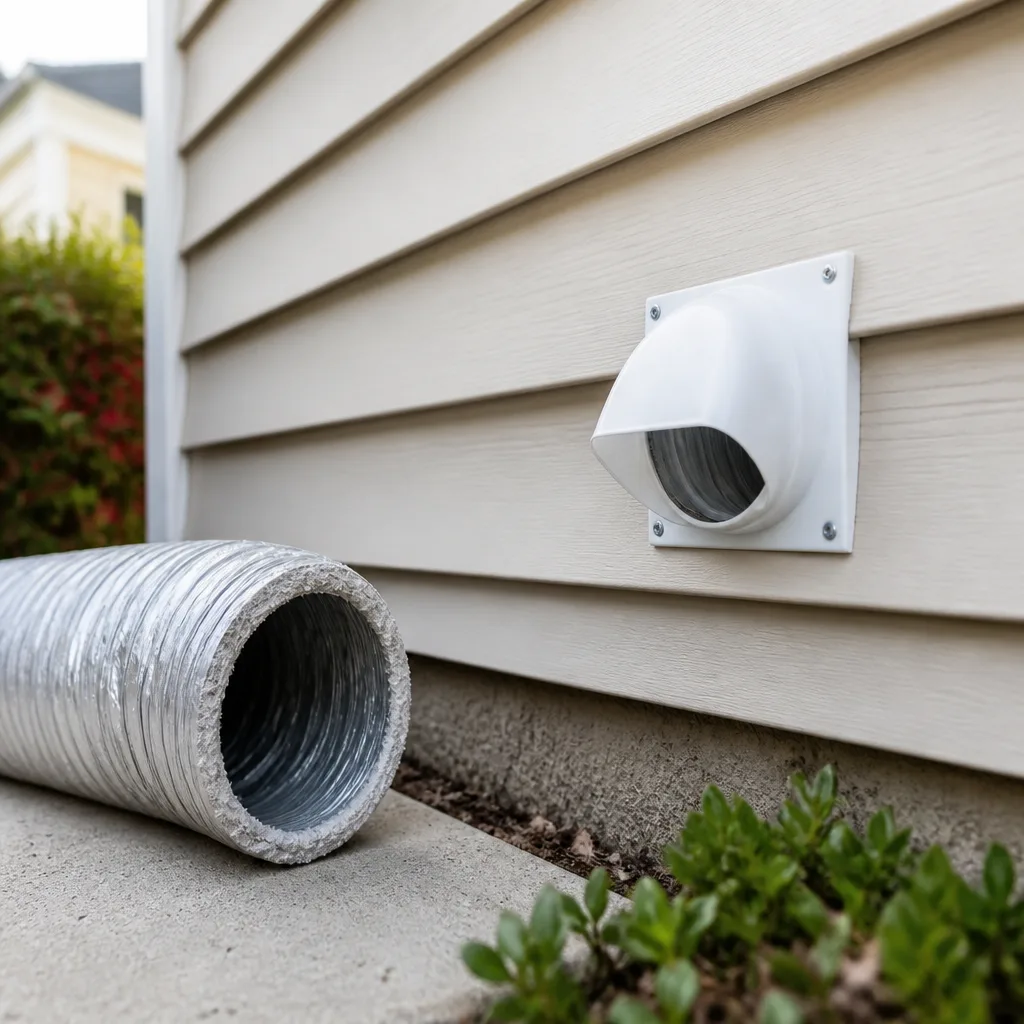 Dryer vent cleaning
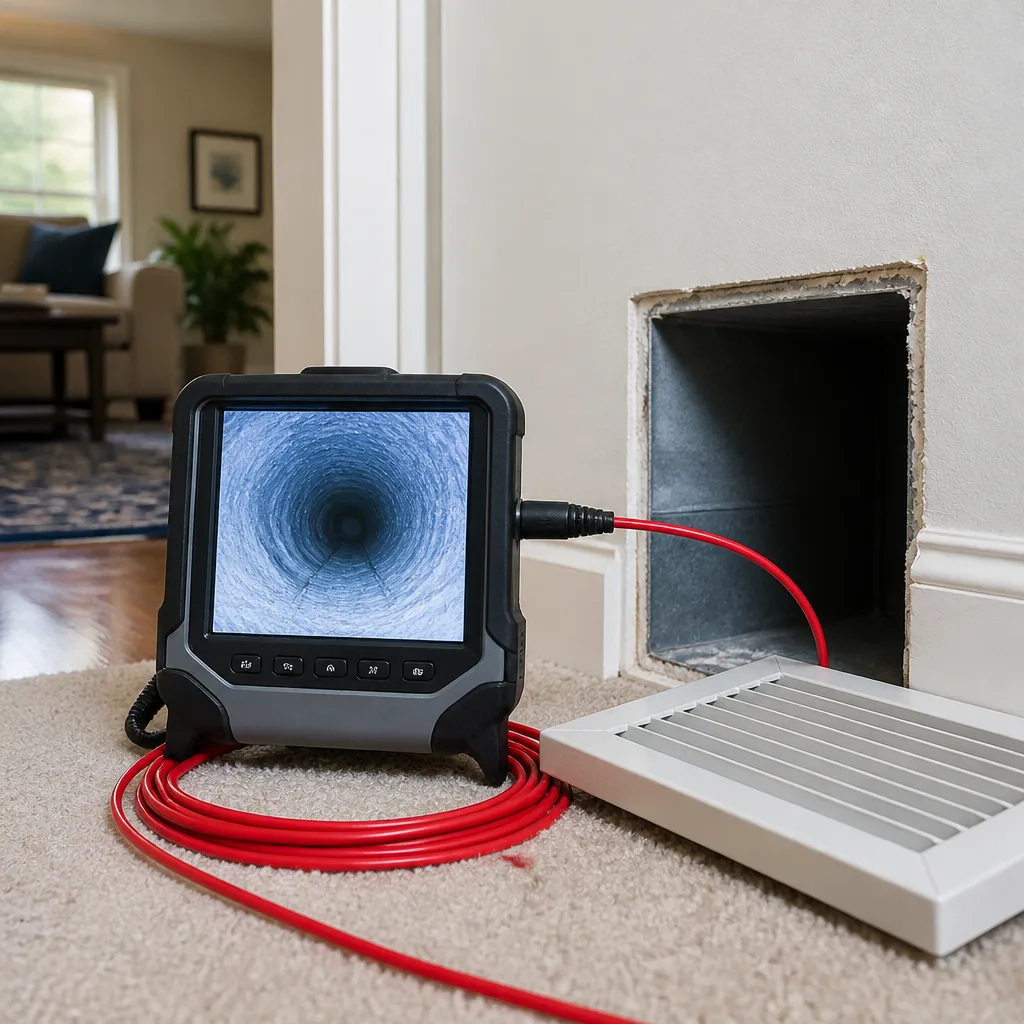 Camera inspection
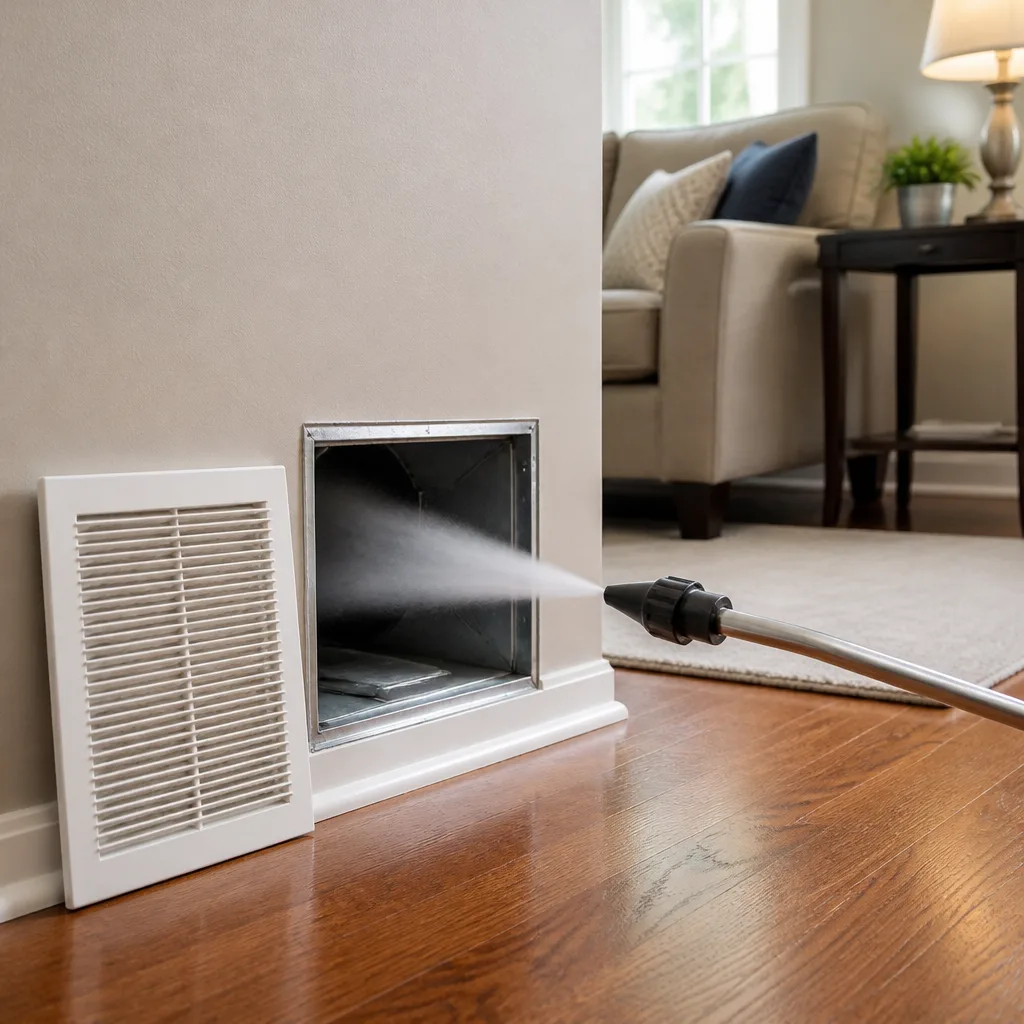 Sanitizing & deodorizing
Whole-system duct and dryer vent check with before-and-after photos - you see exactly what came out of your vents
That "$99 whole-house special" is a bait ad - the real number appears once they are in your hallway, or the "clean" is a shop-vac at the register. We photograph the inside of your ducts before and after instead.
Air Duct Cleaning Maintenance Checklist for Oklahoma City Homeowners
Most duct maintenance calendars are written for a mild, four-season climate, and they quietly fall apart in Oklahoma City. A schedule built around “clean every three years” tells you nothing about the week after a tornado-warning system rolls through, or the afternoon a wildfire smoke advisory blankets the metro, or the first cool morning when the furnace kicks on and pushes a season’s worth of settled dust through every register. If you follow a calendar, you clean at the wrong times and skip the moments that actually matter. What follows is a trigger-based checklist built for how Oklahoma City homes really live: storm seasons, drought wind, smoke days, and the two HVAC switchovers each year. You’ll learn what to inspect yourself, what to log, and when to call in professional equipment.
Quick Answer
A duct maintenance checklist for an Oklahoma City home should be organized around events, not fixed intervals. Inspect filters, grilles, and return boxes after storm-driven wind events, wildfire smoke advisories, major renovations, and each HVAC switchover (spring cooling startup and fall heating startup), and log baseline conditions so you can detect drift early. Deep professional cleaning is warranted when you see or smell something the checklist flags, not because a certain number of months has passed.
Styles & brands we work with
- Whole-home duct cleaning
- Dryer vent cleaning
- Camera inspection
- Sanitizing & deodorizing
Table of Contents
- Why Calendar Checklists Fail in Oklahoma City
- Step 1: Log Your Baseline Conditions
- Event Checkpoint: After a Storm or Drought Wind Event
- Event Checkpoint: Wildfire Smoke Advisories
- The Two HVAC Switchovers: Highest-Risk Moments
- What You Can Safely Inspect Yourself
- Which Items Mean It’s Time for a Professional
- Common Mistakes to Avoid
- When to Call a Professional
- Frequently Asked Questions
Why Calendar Checklists Fail in Oklahoma City
A fixed-interval checklist assumes contamination accumulates at a steady rate. In Oklahoma City, it doesn’t. Dust and debris load in your ducts in bursts tied to specific events: a red-dirt windstorm out of the west, a nearby grass fire, a remodeling project, a spring storm that drives fine particulate through every gap in the building envelope. Between those events, the load may barely move. During them, it can jump in a single afternoon. That reality is why a 12-month calendar written for a coastal or mountain market gives an Oklahoma City homeowner the wrong answer at both ends.
There’s a second reason interval checklists fail here. The metro sits in a climate zone where heating and cooling season both run long, and the transition between them is short. That means the furnace or air handler cycles constantly for most of the year, and the two switchovers each spring and fall are the moments when a season’s worth of settled material gets pushed through the system all at once. Those switchovers aren’t on a 12-month calendar in most guides. They should be the anchor points of yours.
A trigger-based checklist fixes both problems. It tells you what to check, when to check it, and what to do when the check turns up a problem. For a broader look at what professional service covers, see our air duct cleaning page.
Step 1: Log Your Baseline Conditions
Before you can detect drift, you need a baseline. Pick a low-wind, ordinary day and record three things you can safely observe without opening the duct system: odor, airflow at registers, and the visual condition of each grille face. Write them down with the date. This log becomes the reference point for every future inspection, and it’s the single most useful habit in this guide.
- Odor. Stand in each room with the system running and note what you smell. Musty, dusty, or faintly chemical notes are worth recording. A neutral smell is a baseline too.
- Airflow at registers. Hold your hand a few inches from each supply register and note whether the flow feels strong, moderate, or weak. Compare room to room. You’re looking for consistency, not a number.
- Visual at grille face. With a flashlight, look at the grille face and the visible surface just inside. Note dust color and thickness. Photograph the worst offender.
- Filter condition and date. Note what filter you’re running and the date you installed it. This establishes your replacement interval against actual conditions, not the label on the box.
- Return-box condition. Check the return grille for visible debris buildup and note whether the box itself looks clean or coated.
Keep the log simple, a note on your phone is fine. The point is a dated record you can compare against. Our Shoreline Duct Cleaning team has seen how much faster a homeowner can describe a problem when they have two or three dated notes to reference.
Event Checkpoint: After a Storm or Drought Wind Event
Oklahoma City’s storm seasons and extended drought wind events both drive fine particulate into the building envelope. After either, run a short inspection: check the filter first, then the return grille, then the supply grille faces in the rooms that face the prevailing wind. Wind-driven dust tends to enter on the windward side of the house, so you’ll often find one or two rooms load up before the rest.
- Filter check within 48 hours. If the filter is visibly loaded or grayed beyond its normal interval, replace it. Storms and drought wind can load a filter in days.
- Return grille. Look for grit, seed material, or fine red dust on the return grille face. Oklahoma City’s red dirt is a reliable marker of storm-driven intrusion.
- Supply registers. Check rooms on the windward side first. Compare against your baseline photo.
- Windows and doors. A storm event that pushed dust in through gaps will do the same to your ducts. Check weatherstripping and door sweeps, since a leak there is a leak into the return.
- Attic access. If you have an attic access panel or hatch, verify it’s seated. A storm that shifts an access panel opens a path for debris.
If a storm has left you with visible grit on the grille face of a return or supply, note it in your log and treat it as a professional-inspection trigger, not a DIY pull-the-grille project. The handling guidance below explains why.
Event Checkpoint: Wildfire Smoke Advisories
When wildfire smoke advisories reach the Oklahoma City metro, fine particulate enters through return pathways and settles in the duct system. Smoke days don’t usually call for duct cleaning on their own, but they do call for a filter check and a short log entry, and they can push a system that was already marginal over the line. Run this brief checkpoint when an advisory is active or has just passed.
- Filter. Check the filter and replace if it’s loaded. A filter already near end-of-life will not hold up through an extended smoke event.
- Return grille. Look for visible smoke film or fine gray coating on the return grille face.
- Odor log. Note any smoke smell in the house that persists after windows are closed and the system has run for a few hours. That’s a drift signal.
- Filtration capacity. If you’re running a Honeywell or Aprilaire filtration component at the air handler, confirm it’s seated and within its service interval. A poorly seated filter media bypasses the whole point.
- Grille-face photo. Compare the return grille face against your baseline. Smoke events can leave a distinctive fine coat that shows clearly in a photo.
Smoke advisory checkpoints are short. The value is in the log entry, because a single smoke event is rarely a cleaning trigger, but three in a season, layered on top of a storm event, is a pattern worth acting on. For the full scope of professional work, see Oklahoma City.
The Two HVAC Switchovers: Highest-Risk Moments
The two highest-risk moments for contamination spread in an Oklahoma City home are the spring cooling startup and the fall heating startup. Both push air through a duct system that has been mostly idle in one mode for months, and both can move a season’s worth of settled dust into the living space in the first few cycles. Build a specific checkpoint around each.
Spring Cooling Startup
- Change the filter before the first cooling run, not after. The first cycle is the heaviest.
- Walk every supply register and note airflow and odor against your baseline.
- Check the return grille face for settled dust that accumulated over the heating season.
- Run the system for a full cycle and note any musty smell in the first hours.
- Log the date and observations. If the first cycle produced a noticeable odor or visible dust at registers, note it and plan a professional inspection.
Fall Heating Startup
- Change the filter before the first heating run.
- Check the return grille and supply faces for summer dust and any condensation-related darkening.
- Note any new odor on the first heating cycle. Heating startup often surfaces smells that cooling season didn’t.
- Inspect the air handler area (if safely accessible without opening panels) for dust accumulation on the exterior.
- Log the result and compare against your spring entry.
Our technicians have up to experience, and the two switchovers are the checkpoints they emphasize most for Oklahoma City homes. The reason is simple: it’s the moment when the system is most likely to push settled material into the air you’re breathing, and it’s the easiest moment to catch drift before it becomes a cleaning emergency.
What You Can Safely Inspect Yourself
There’s a clear line between what a homeowner can safely check and what should be left to a professional. The line matters. Duct systems involve the air handler, electrical components, and in many Oklahoma City homes, equipment in an attic or crawlspace where a stumble is a medical event. Stick to the checkable items below and treat anything past them as a call-the-professional trigger.
DIY-Safe Checklist Items
- Filter replacement at the return grille or air handler filter slot, when the slot is reachable without tools or opening a panel.
- Grille face and visible inner surface inspection with a flashlight, without removing the grille.
- Return grille face inspection for visible debris and grit.
- Airflow testing by hand at supply registers.
- Odor logging in each room.
- Weatherstripping and door sweep checks at exterior doors and windows.
Not DIY-Safe: Leave These to a Professional
- Opening the air handler or furnace cabinet. Electrical components and moving parts. Don’t.
- Removing or reseating duct sections. Connections are often taped or sealed and easily damaged.
- Working in the attic or crawlspace without proper fall protection and safe access.
- Cleaning inside the duct system. Consumer-grade vacuums and shop vacs can spread contamination rather than remove it, and they don’t produce the airflow needed for a real clean.
- Touching electrical wiring or gas lines adjacent to the system. Always a licensed-professional job.
If you find yourself reaching for a screwdriver to open a panel, that’s your signal to call. Professional cleaning uses equipment like Rotobrush rotary-brush systems and Nikro HEPA vacuums because consumer tools aren’t rated for the job. The same HEPA-vacuum systems used on remediation sites are the standard for a reason.
Which Checklist Items Mean It’s Time for a Professional
Not every log entry is a cleaning trigger. Some are just notes. Others mean it’s time to schedule an inspection. Here’s how to read the difference, based on what we see most often in Oklahoma City homes.
- Visible dust or grit at multiple supply registers. A single grille face with settled dust is normal. Multiple registers showing visible grit, especially after a storm or switchover, is a professional-inspection trigger.
- Persistent musty odor after a full cycle. If the odor doesn’t clear after the system has run a full cycle with a clean filter, the source is likely inside the duct system.
- Visible debris in the return box. Loose material resting in the return box is a sign the system has accumulated material beyond what a filter can catch.
- Airflow that has dropped noticeably compared against your baseline, in one or more rooms, without a clear cause like a closed damper.
- Recent renovation or home purchase. A remodel or a new-to-you home is a common prompt for a professional inspection, because both tend to surface hidden conditions.
- Damage or leaks found during cleaning. If a section of duct is crushed, disconnected, or leaking, cleaning alone won’t fix it. Air Duct Repair is a separate service, and it’s the difference between cleaning the system and actually sealing it.
For a full evaluation of whether repair is needed on your system, see the guide at air duct cleaning where we describe what a professional inspection covers.
Common Mistakes to Avoid
- Following a fixed-interval calendar. A three-year rule tells you nothing about the week after a storm or a smoke advisory. Log events instead of counting months.
- Skipping the switchover checkpoints. The first cooling cycle in spring and the first heating cycle in fall are the two highest-risk moments for contamination spread. Miss them and you miss the whole point of maintenance.
- Replacing the filter after the first cycle instead of before. The first run is the heaviest. A fresh filter going in before the cycle catches what the cycle moves.
- Opening the air handler to “take a look.” Electrical and moving components. A homeowner inspection should stop at the grille face and the filter slot.
- Cleaning ducts with a shop vac. Consumer vacuums spread fine particulate rather than capturing it. Professional HEPA equipment, like the Nikro systems we use, is built for the job.
- Cleaning without confirming the system is sealed. If a duct section is leaking or crushed, cleaning pushes air into the wrong place. Repair and cleaning belong together.
- Forgetting the dryer vent. Dryer vent cleaning is a fire-safety service, not an upsell. Most Oklahoma City homeowners who maintain their HVAC ducts don’t have a dryer vent checkpoint at all. Add one.
When to Call a Professional
Call a professional when the checklist turns up something you can’t safely fix: visible grit at multiple supply registers, a persistent musty odor after a full cycle with a clean filter, visible debris in the return box, a noticeable drop in airflow compared against your baseline, or a recent renovation or home purchase that has left conditions you can’t see. Also call when you find damage during a check. A crushed or disconnected duct section needs repair, not just cleaning, and repair is a separate service. Our technicians use Rotobrush and Nikro equipment and work with Honeywell and Aprilaire air-quality components, so we can clean the system and address the source of contamination rather than just surface debris. Shoreline Duct Cleaning offers free estimates in Oklahoma City. Call (855) 360-8688. We answer 24/7. Fast dispatch from 7am to 7pm, Sunday through Friday.
Frequently Asked Questions
There’s no single interval that fits every Oklahoma City home. A trigger-based approach works better here because the metro’s contamination load arrives in bursts: storm events, drought wind, wildfire smoke advisories, renovations, and the two HVAC switchovers each year. Log conditions after each trigger and schedule professional cleaning when the log shows drift, rather than on a fixed calendar. Call (855) 360-8688 for an exact quote. Estimates are free.
No. Most storms don’t warrant duct cleaning; they warrant a filter check and a log entry. The professional-inspection trigger is visible grit at multiple supply registers, persistent odor, or a clear airflow drop compared against your baseline. Call (855) 360-8688 for an exact quote. Estimates are free.
Check the filter, inspect the return grille face for a fine gray coating, and log any smoke odor that persists after the windows are closed and the system has run for a few hours. A single smoke event is rarely a cleaning trigger. Three in a season, layered on top of a storm event, is a pattern worth acting on. Call (855) 360-8688 for an exact quote. Estimates are free.
Both matter, but they catch different things. Spring cooling startup is when settled heating-season dust gets pushed into the living space. Fall heating startup often surfaces odors that cooling season didn’t. Run the same checklist at both and compare the log entries against each other. Call (855) 360-8688 for an exact quote. Estimates are free.
No. Consumer vacuums and shop vacs don’t capture fine particulate the way professional HEPA systems do, and they can spread contamination rather than remove it. Professional equipment, like the Rotobrush rotary-brush systems and Nikro HEPA vacuums our technicians use, is built for the job. Call (855) 360-8688 for an exact quote. Estimates are free.
Because dryer vent cleaning is a fire-safety service, not an upsell. Lint accumulation in a dryer vent is one of the leading causes of residential fires, and the same systematic approach that applies to HVAC ductwork applies to the dryer vent. If you maintain your ducts, add the dryer vent to the same checklist. Call (855) 360-8688 for an exact quote. Estimates are free.
The Bottom Line
A duct maintenance checklist that works in Oklahoma City is built on events, not intervals. Log your baseline, check after storms and smoke advisories, run a full checkpoint at both HVAC switchovers, and treat visible grit, persistent odor, and airflow drift as professional-inspection triggers. Stay clear of the air handler, duct connections, and anything in the attic or crawlspace. Add dryer vent cleaning to the same schedule, since it’s a safety service rather than an upsell. And when the log shows something that needs professional equipment, call a specialist who can clean the system and confirm it’s sealed. Our technicians have up to experience, and we work with dryer vent cleaning and air duct cleaning as two of our three core services. If you’re ready to schedule an evaluation, call (855) 360-8688 for a free estimate. We answer 24/7. Fast dispatch from 7am to 7pm, Sunday through Friday.
Written by the team at Shoreline Duct Cleaning.
See the difference
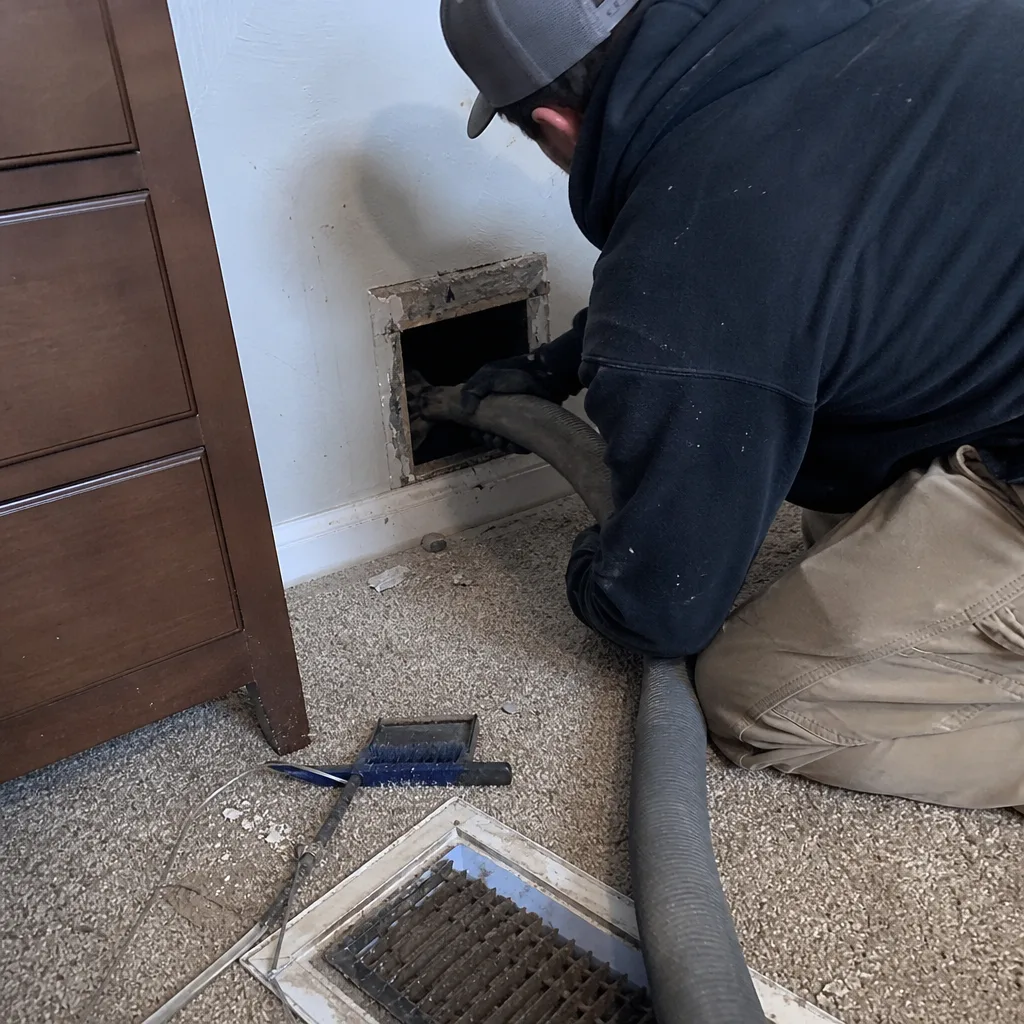 Before
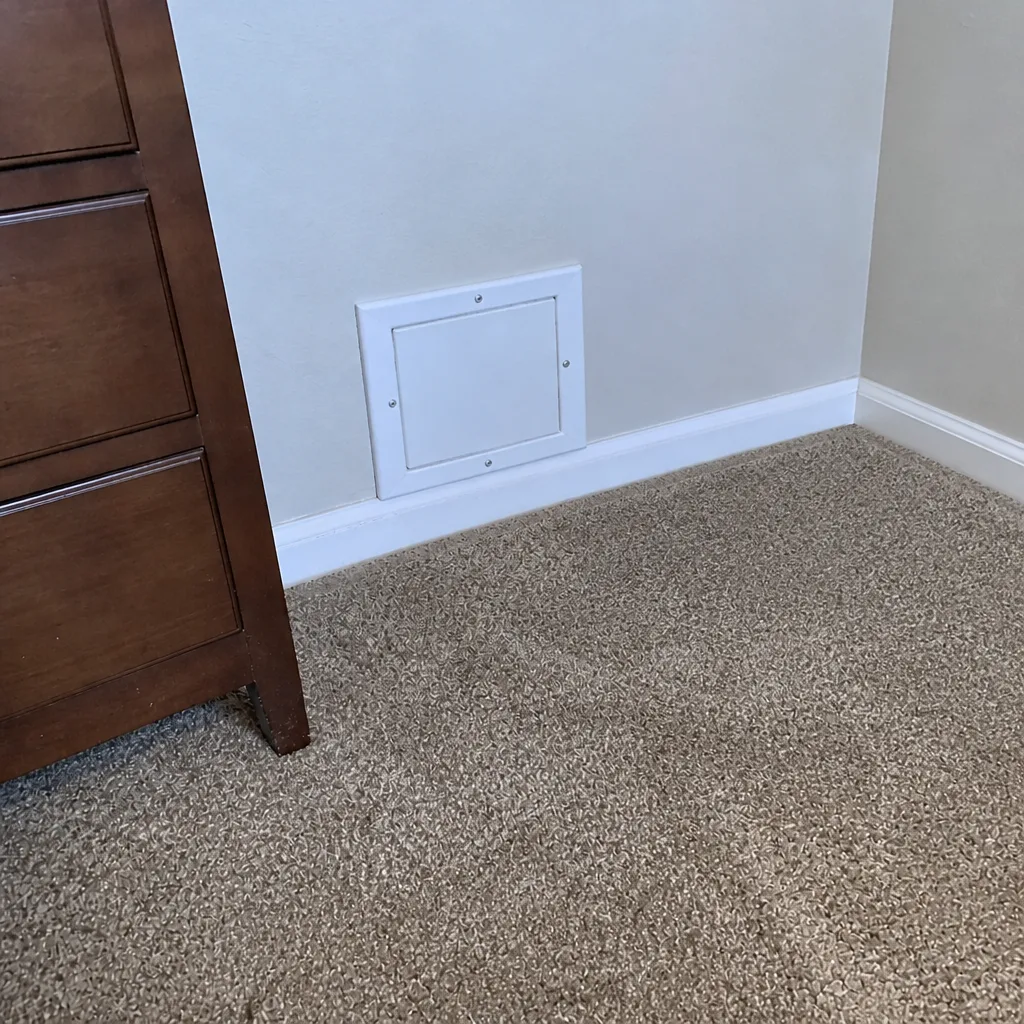 After
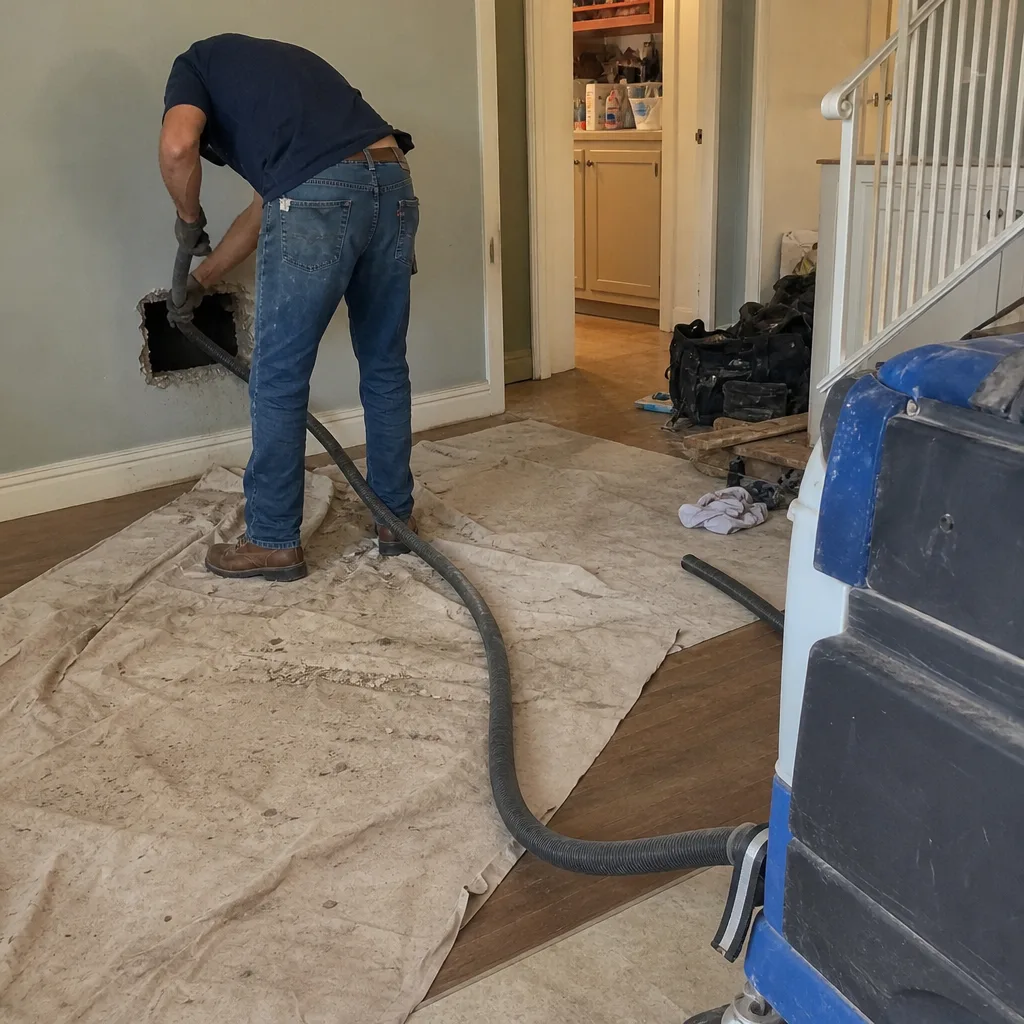 Before
 After
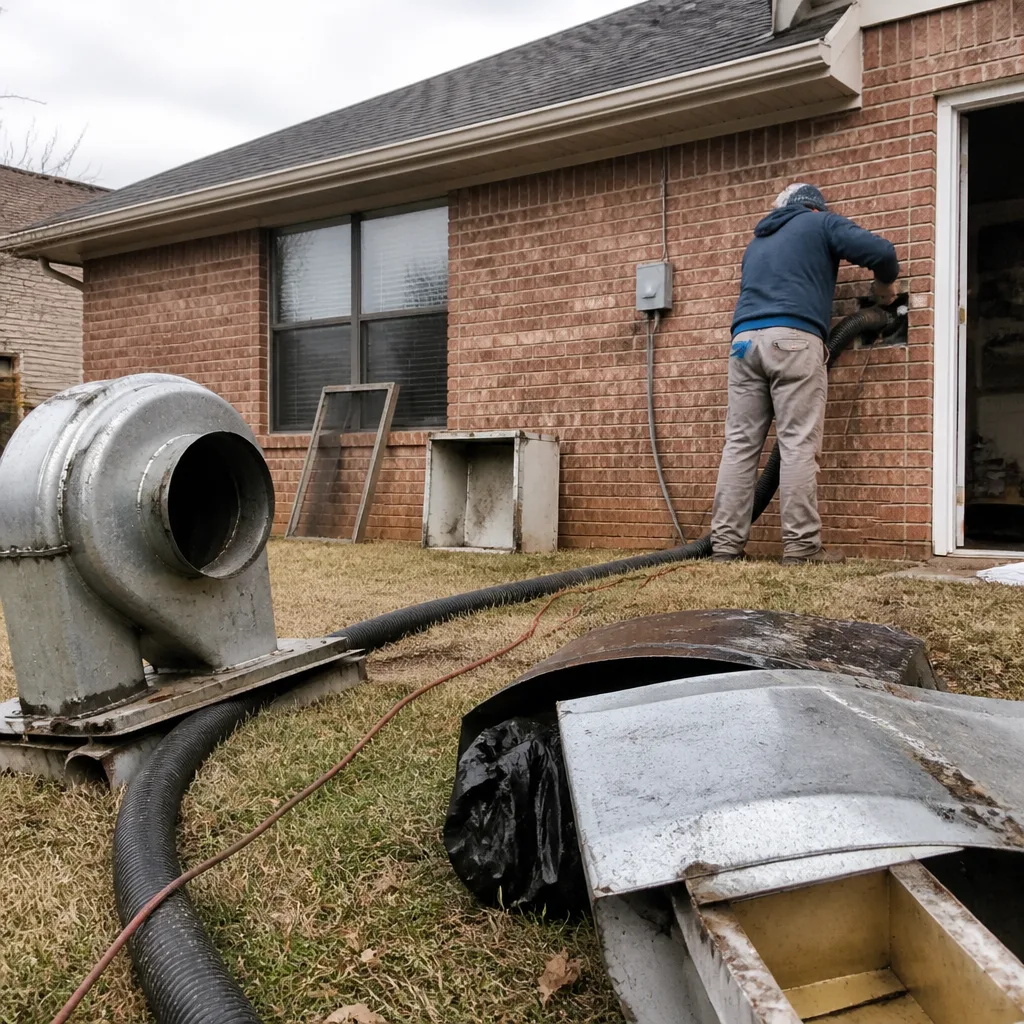 Before
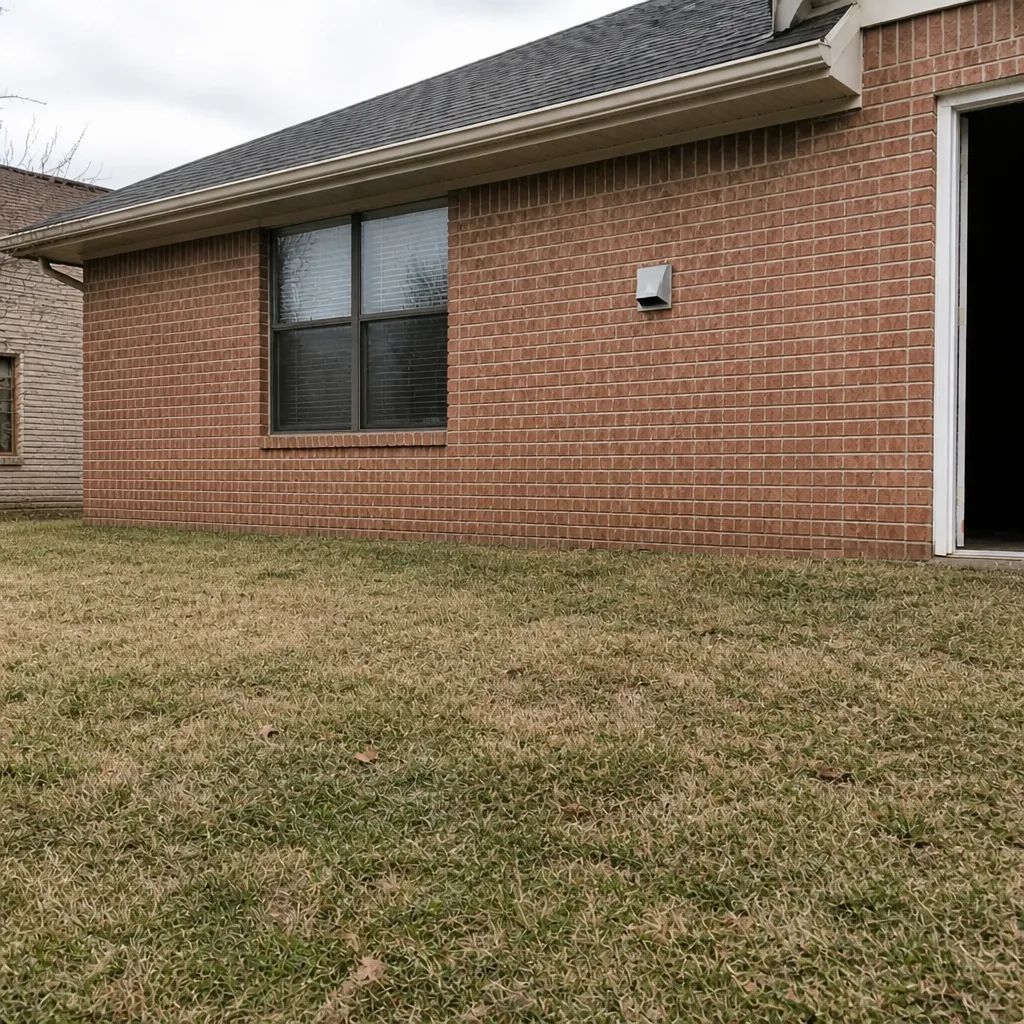 After