
Last updated November 15, 2026
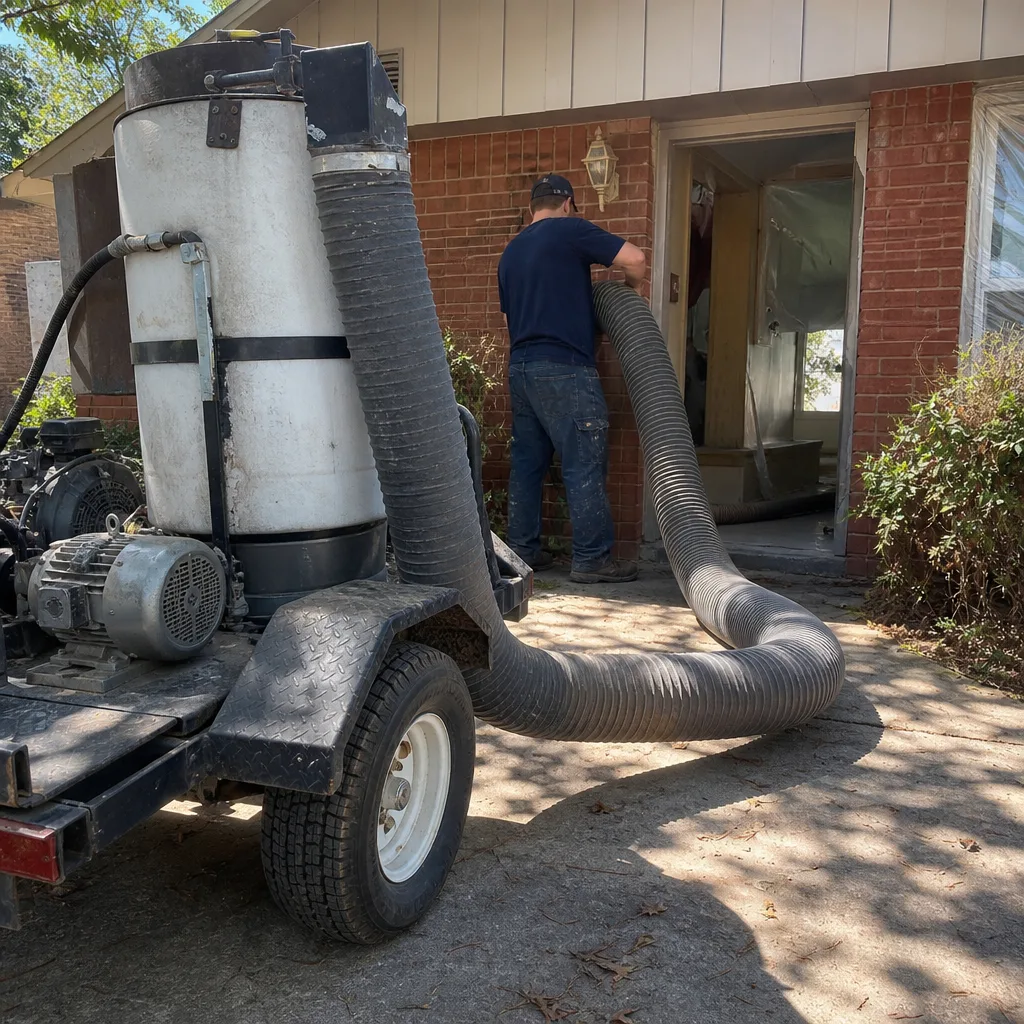
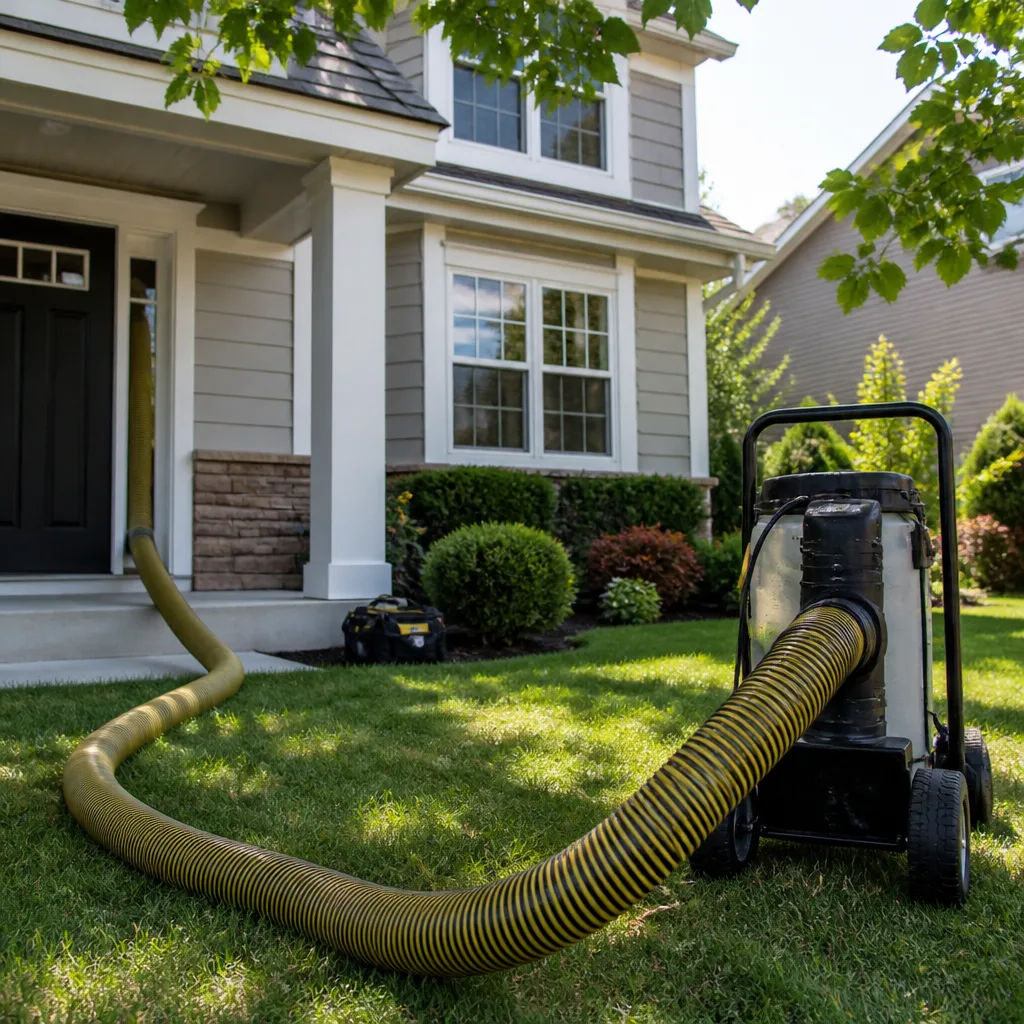 Whole-home duct cleaning
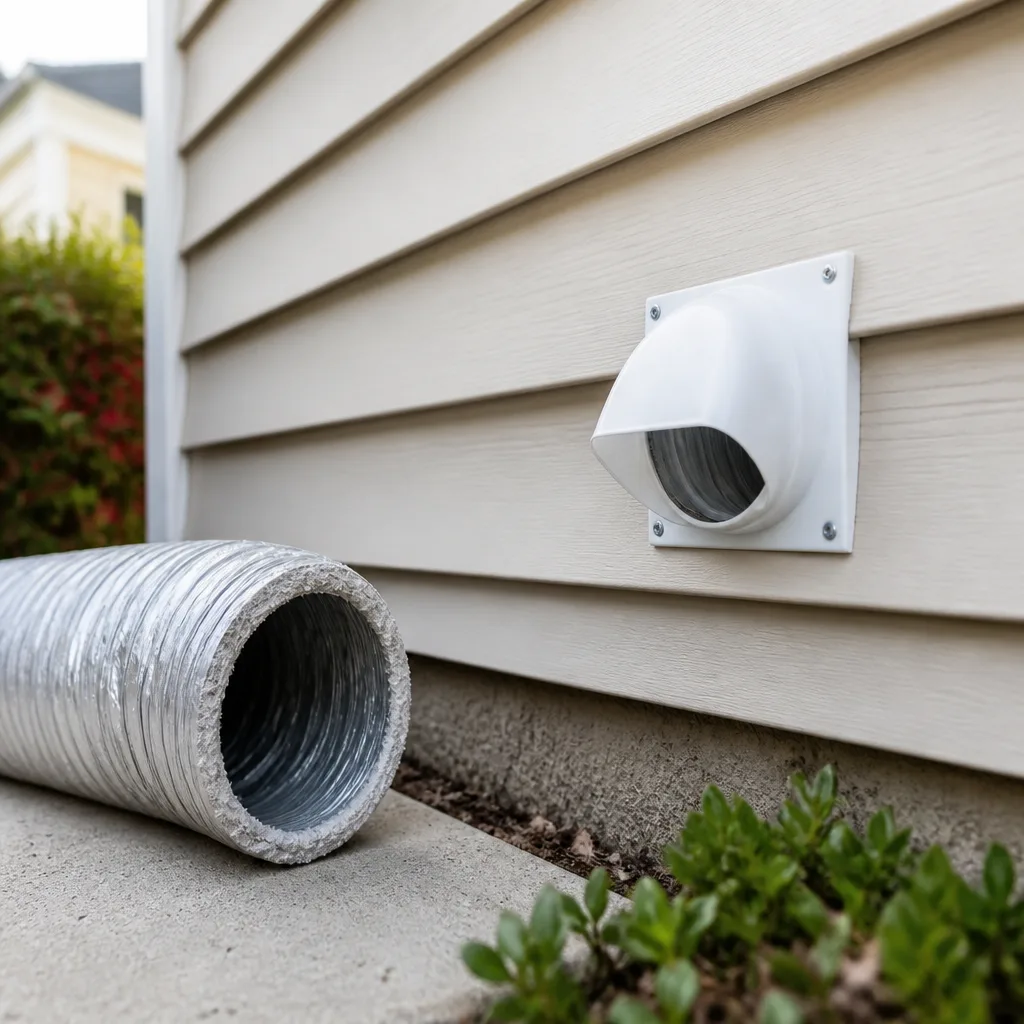 Dryer vent cleaning
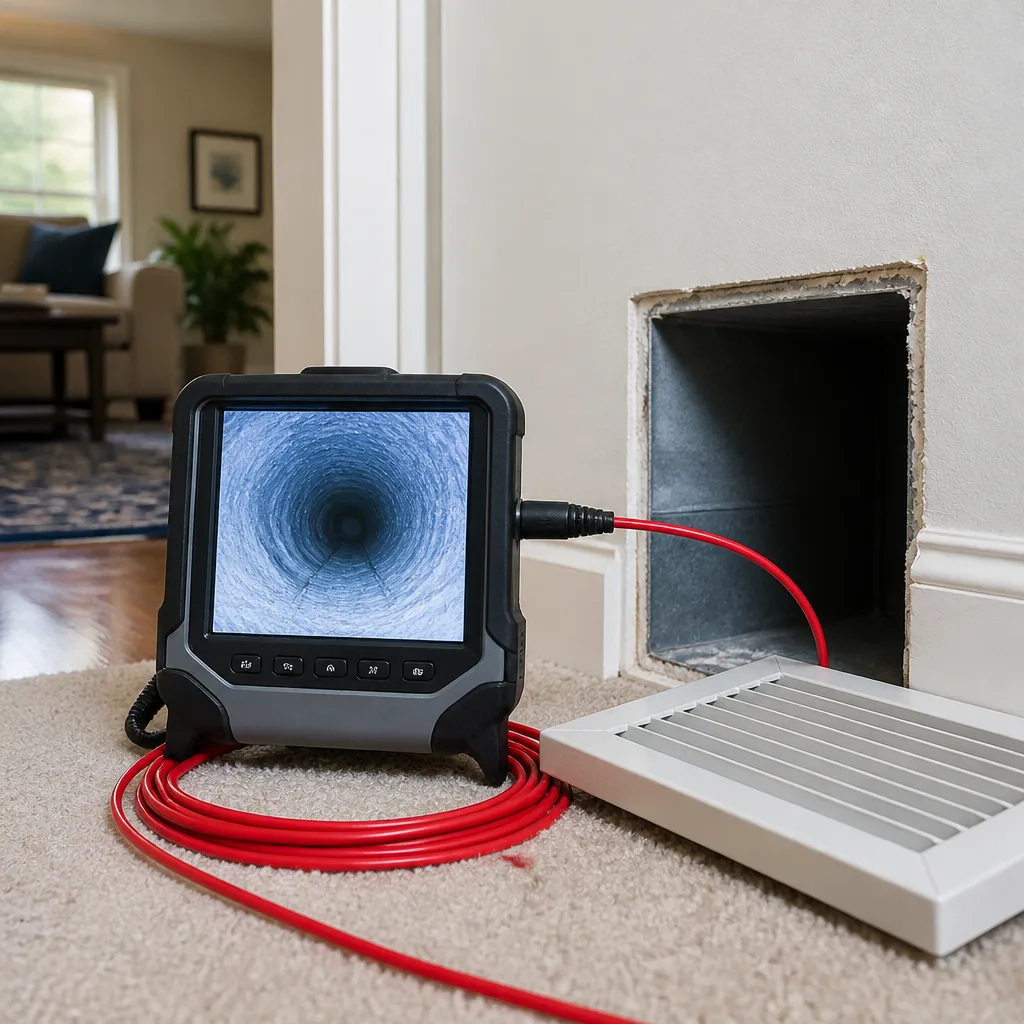 Camera inspection
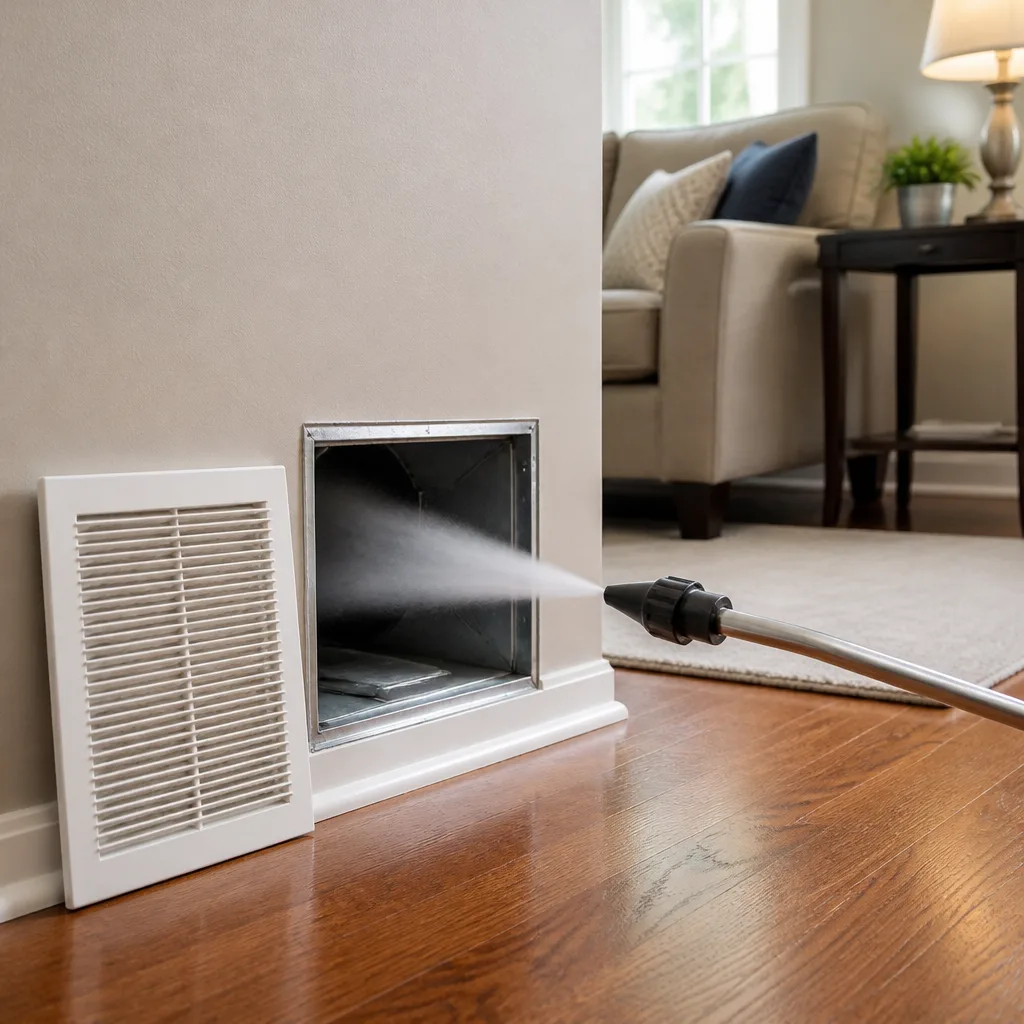 Sanitizing & deodorizing
Whole-system duct and dryer vent check with before-and-after photos - you see exactly what came out of your vents
That "$99 whole-house special" is a bait ad - the real number appears once they are in your hallway, or the "clean" is a shop-vac at the register. We photograph the inside of your ducts before and after instead.
Air Duct Cleaning Troubleshooting in Oklahoma City: Common Problems and How to Fix Them
If your home smells worse in the 48 hours after a duct cleaning than it did before, that’s not a fluke. It’s a specific, diagnosable event, and most technicians won’t explain what happened. The same goes for airflow that feels weaker, dust that keeps settling on the same shelf, or a musty note that lingers in one room and nowhere else. Almost every one of these complaints traces back to one of four causes: the cleaning missed a zone, it disturbed settled debris without full extraction, it loosened a duct connection that was already fragile, or it exposed a defect the cleaning couldn’t fix. This guide is written from Oklahoma City, where the housing stock and the climate produce a particular set of duct problems, and it teaches you to read those signals and respond the right way instead of guessing.
Quick Answer
Post-cleaning duct problems in Oklahoma City usually fall into three buckets: normal debris fallout that clears in 24 to 72 hours, incomplete cleaning where negative pressure wasn’t held or whole zones were skipped, or a pre-existing duct defect (a disconnected flex run, collapsed liner, or mold colony) that cleaning exposed but couldn’t correct. You can tell them apart with a white tissue over a register, a look at your air handler filter right after service, and a careful check of airflow at each room. The fix ranges from simply waiting and re-filtering to calling the company back for a re-clean, to booking duct repair for a problem that was never a cleaning issue in the first place.
Styles & brands we work with
- Whole-home duct cleaning
- Dryer vent cleaning
- Camera inspection
- Sanitizing & deodorizing
Table of Contents
- Why does my house smell worse after duct cleaning?
- Why is my airflow weaker after cleaning?
- Did the company use negative pressure correctly?
- Debris fallout vs. ongoing particulate: how to test
- When to call the cleaning company back
- When it’s an HVAC problem, not a duct problem
- Oklahoma City housing stock and what it means for your ducts
- Dryer vent problems that masquerade as duct problems
Why does my house smell worse after duct cleaning?
A musty or earthy smell in the 48 hours after a cleaning is almost always one of two things. The first is dislodged debris. Loose dust, pet hair, and settled organic matter get knocked free during brushing, and if the vacuum capture isn’t complete, some of that material drifts back into the airstream and off-gasses for a day or two. It fades on its own, usually within 72 hours, and it smells dusty rather than biological.
The second is a mold colony that was never treated. Mold inside ductwork is a living thing attached to the duct surface, not a coating of dust. Brushing scrapes the top layer and the HEPA vacuum pulls the loose material out, but the colony remains rooted, and disturbing it can release spores that were previously sequestered. A smell that’s clearly damp, musty, or like wet cardboard, and that doesn’t fade after three days, is a colony signal rather than a debris signal.
Here’s the distinction that matters, and it’s the one most homeowners never get told:
- Dislodged debris odor: dusty, dry, sometimes faintly metallic. Starts the day of service, peaks around 24 hours, gone by 72. Vents may puff visible dust briefly.
- Mold colony odor: damp, earthy, like a basement or a wet towel. Doesn’t peak and fade; it stays steady or gets stronger with humidity. Often concentrated in one or two rooms.
Oklahoma City’s humidity swings make this worse. A colony that sat dormant through a dry stretch can reactivate fast when the dew point climbs, so a smell that seems to appear out of nowhere in May or September is worth taking seriously. The right next step depends on which signal you’re seeing. If it’s dislodged debris, run the system fan and change the filter; if it’s a colony, you need a company that can address the source with proper containment and HEPA filtration, which is a different job than a standard clean.
Why is my airflow weaker after cleaning?
Weaker airflow after a duct cleaning is a red flag, not a normal outcome. Cleaning should improve flow or leave it unchanged. When it drops, one of three things usually happened: a flex duct connection came loose during brushing, a length of internal duct liner collapsed, or a damper got knocked out of position.
The flex connection problem is the most common in Oklahoma City, and it’s a housing-stock issue. A lot of homes here were built in the postwar decades and had flex runs retrofitted later, sometimes with a single zip tie or a wrap of tape holding the inner liner to the boot. Brushing pushes air and mechanical force through the run, and a marginal connection can pop. When that happens, conditioned air dumps into a wall cavity or an attic instead of into the room, so the room gets weak flow while the system works harder.
Collapsed liner is the second culprit. Older insulated flex duct has an inner liner that can sag or delaminate with age. Once it folds in on itself, the effective duct diameter shrinks, and no amount of cleaning restores the lost volume. You’ll notice it as one room that was always a little weak now being noticeably worse.
To figure out which one you’re dealing with, work through this in order:
- Check every register in the house, not just the problem room. If only one is weak, it’s likely a run-specific problem (disconnected flex, collapsed liner, closed damper). If several are weak, look at the air handler and the main trunk.
- Look at the air handler filter. A filter loaded with debris from the cleaning will choke flow across the whole system. Replace it and re-check before assuming anything worse.
- Listen at the weak register. A hiss suggests a restriction upstream; silence suggests a disconnected run dumping air somewhere else.
- If you have access to the attic or crawlspace where the flex runs are visible, look for a run that’s clearly detached at the boot or sagging badly. Duct repair, not another cleaning, is the fix.
This is exactly the gap that a cleaning-only company can’t close. A company that also does air duct cleaning and repair as separate services can identify a popped connection during the job and correct it rather than leaving you to schedule someone else.
Did the company use negative pressure correctly?
You can tell whether a duct cleaning was done with proper negative pressure by looking at your air handler filter immediately after the service. In a correctly run job, the vacuum source is connected at the main trunk or plenum and holds the whole system under negative pressure while brushes work each branch. Every loose particle gets pulled toward the vacuum, not pushed into the house. The filter catches the fine fraction that escapes the vacuum, so a properly cleaned system leaves you with a filter that’s dirty but not overwhelmed.
Here’s what to look for right after the technicians leave:
- Filter loaded with fine gray dust on the upstream face: normal. That’s the tail end of the debris the vacuum pulled toward the return. Change it and you’re done.
- Filter packed solid, or debris coating the downstream face: a sign the vacuum wasn’t holding, or the blower was running during cleaning and pushed material through the system.
- Visible dust settled on horizontal surfaces near returns within hours: a sign the negative pressure was weak or intermittent, or the wrong tool was used (compressed air or a shop vac rather than a HEPA system).
- No change at all to the filter, and no debris anywhere: worth questioning whether the whole system was actually cleaned, or only the visible runs.
Professional jobs are run with mechanical brush systems and HEPA vacuums, the same class of equipment used on commercial and remediation sites. Rotobrush rotary-brush systems and Nikro HEPA vacuums are the standard for this work because they maintain capture while the brush agitates the duct wall. Negative-air containment with Abatement Technologies equipment matters even more when there’s any question of biological contamination, because it keeps spores from spreading into living space during the work.
If the filter check suggests the vacuum wasn’t held, that’s a legitimate reason to call the company back. Bring the filter with you or photograph it before you change it. It’s the clearest evidence of how the job was run, and a reputable company will want to see it.
Debris fallout vs. ongoing particulate: how to test
Some dust after a cleaning is normal and expected. The line between normal fallout and an ongoing problem is time and pattern. Fallout is front-loaded: it’s heaviest in the first 24 hours, lighter on day two, and essentially done by day three. Ongoing particulate keeps showing up at the same rate weeks later, or appears only when the system runs.
You can test which one you have with nothing more than white tissue paper and a register. Here’s how:
- Wait until at least 72 hours after the cleaning, so you’re past the normal fallout window.
- Hold a sheet of plain white tissue paper a few inches from a supply register while the system fan is running. Hold it flat and steady for about a minute.
- Check the tissue against a bright light. A faint, even gray tint is normal background dust. Visible particles, dark specks, or a distinct smudge pattern means material is still coming through the supply.
- Repeat at three or four registers around the house, including one in the problem room and one in a room that’s always been fine. Compare them.
- If only one register shows particles, the problem is on that run. If most do, look at the air handler, the filter fit, and the main trunk.
Do the same test at a return grille, but be aware that returns will always show more, since that’s where household dust is heading anyway. The supply-side test is the one that tells you whether the ducts are still shedding.
An ongoing positive tissue test after 72 hours usually means one of three things: a zone was missed, a run wasn’t fully extracted, or a joint is leaking and pulling attic or cavity dust into the airstream. The leak scenario is worth checking because Oklahoma City attics get hot and dusty, and a leaking return in a hot attic pulls that dust straight into your supply air. That’s a repair issue, not a cleaning issue.
When to call the cleaning company back
Not every post-cleaning complaint needs a callback, and knowing which ones do saves you a wasted phone call. The rule of thumb is simple: if the evidence points to incomplete work, call back. If it points to a defect or a system problem, you’re looking at a different service.
Call the cleaning company back when:
- Dust fallout is still heavy past 72 hours, especially if it’s concentrated in one zone.
- The tissue test at supply registers is clearly positive a week after service.
- You found the air handler filter packed solid with debris, or with material on its downstream face, right after the job.
- The whole-house smell is dusty and hasn’t faded after three days.
- You can see obvious debris still sitting in a run you can access, like a return chase in the garage or an exposed trunk in a utility room.
Don’t expect a callback to solve something outside the cleaning scope. Loose flex connections, collapsed liner, and cracked trunk joints need duct repair. A mold colony inside a duct needs containment and treatment, not another pass with a brush. A system that’s undersized for the house, or a blower that’s failing, needs an HVAC contractor. Being clear about which of these you’re facing when you call makes the conversation much shorter and gets you the right result.
When you do call back, be specific. “The dust is still heavy in the back bedrooms a week later and the tissue test at those two registers is positive” gets a different response than “something’s wrong.” Specifics get you a re-check rather than a polite explanation.
When it’s an HVAC problem, not a duct problem
A surprising number of “duct cleaning didn’t work” complaints are actually HVAC problems that were never going to be fixed by cleaning. The ducts are the delivery system; the air handler, the coil, the blower, and the refrigerant charge determine whether that system is doing its job.
Call an HVAC contractor rather than the duct company when you see:
- Weak airflow at every register, evenly. A duct problem is usually uneven. Whole-house weakness points to the blower, a clogged evaporator coil, or a filter that’s too restrictive.
- Air that isn’t cold, or isn’t warm, but flows fine. That’s a refrigerant, compressor, or heating issue.
- A musty smell at every register with no visible dust. Sometimes that’s a wet evaporator coil or a drain pan growing biological growth. Cleaning the ducts won’t fix a wet coil; the coil needs service.
- Water stains or rust around the air handler. A condensate problem, which needs HVAC attention.
- Short cycling or a system that won’t hold temperature. Controls, sensors, or charge.
The overlap case is the tricky one: a duct defect that’s also weakening system performance. A disconnected flex run in a hot attic doesn’t just rob one room of air; it makes the whole system work harder, which can mimic other problems. That’s where the repair capability matters. When the company cleaning your ducts can also close a leaking joint or reconnect a boot, you avoid the situation where one contractor finds the problem and a second has to come back and fix it.
Oklahoma City housing stock and what it means for your ducts
Oklahoma City’s housing mix produces a specific set of duct problems you won’t see in a newer Sun Belt suburb. Homes in older neighborhoods and established areas have had decades of retrofits, additions, and HVAC replacements, and the ductwork often shows that history. A house that started with a single central system can end up with a maze of flex runs, spliced trunks, and branch lines added a piece at a time.
What this means practically:
- Flex duct with marginal connections. Retrofit flex runs are often the first thing to fail during a cleaning, because the connection at the boot or the trunk was never robust.
- Sagging or delaminated liner. Older insulated flex loses its shape over time, and a cleaning that agitates it can accelerate the collapse.
- Attic returns. A lot of Oklahoma City homes route returns through the attic. Those runs are subject to extreme summer heat and dust, and a small leak in one pulls attic air directly into the system.
- Spliced trunk lines. Every splice is a potential leak point, and old tape and mastic fail.
The climate matters too. Oklahoma City’s hot, humid summers push the system hard for months, and the humidity swings mean biological growth can appear fast in any duct that stays slightly damp. Ducts that run through unconditioned attic space see big temperature swings that stress joints and liner.
If you’re booking cleaning on an older Oklahoma City home, ask the company ahead of time whether they can handle repair as well, so a popped connection gets fixed on the same visit instead of leaving you without airflow until someone can come back. Oklahoma City homeowners with retrofitted systems are the most likely to see this, and it’s worth raising before the job starts rather than after.
Dryer vent problems that masquerade as duct problems
Some complaints that get blamed on HVAC ductwork actually come from the dryer vent, which is a separate system with its own failure modes. The two can feel connected because they share an exhaust-to-outside function and both can produce a musty or linty smell in the house.
These symptoms point to the dryer vent, not the HVAC ducts:
- A damp, linty smell in the laundry area that doesn’t extend to the rest of the house.
- Clothes that take longer than they used to and feel hotter than they should when they come out.
- The dryer itself feeling unusually hot on top or the cabinet.
- Visible lint accumulation around the dryer or at the exterior vent.
- No airflow at the exterior vent flap when the dryer is running.
Dryer vent cleaning is a fire-safety service, not a bonus. Lint is highly combustible, and a clogged vent traps heat in the dryer and the duct. It’s one of the leading causes of residential dryer fires, and it’s entirely preventable with periodic cleaning. The same systematic approach used on HVAC ducts applies here, which is why it makes sense to have it handled by the same specialist rather than treating it as an afterthought. If you want this tackled separately from your HVAC work, dryer vent cleaning is a dedicated service, not an add-on.
One practical note for Oklahoma City homes: dryer vents that run up through the attic or take a long, multi-turn path to an exterior wall collect lint faster and are harder to keep clear. If your dryer vent run is long, the cleaning interval should be shorter than for a short, straight run.
Common Mistakes to Avoid
- Assuming a stronger smell means a bad job. Dislodged debris odor is a normal part of the process and fades within 72 hours. Jumping to a complaint before that window closes gets you a re-check you didn’t need.
- Skipping the filter inspection. The air handler filter right after service is the clearest evidence of how the job was run. Changing it without looking first throws away the diagnostic signal.
- Judging by dust on day one. Some fallout is expected in the first 24 to 48 hours. Testing earlier than 72 hours will always give you a false positive.
- Ignoring uneven airflow. A single weak room after cleaning is a specific signal that a run disconnected, not a reason to clean again. In Oklahoma City’s retrofit-heavy housing stock, this is the most common post-cleaning complaint that isn’t the cleaner’s fault.
- Booking cleaning without asking about repair capability. If a disconnected flex run or a leaking joint turns up mid-job, a cleaning-only company has to leave it for someone else, which means a second appointment and a period with weak airflow.
- Treating a dryer vent as optional. A clogged dryer vent is a fire risk, not a convenience issue, and it’s often mistaken for an HVAC problem when the smell is confined to the laundry.
- Expecting cleaning to fix a system problem. A failing blower or a wet evaporator coil won’t improve with duct cleaning, and the money is better spent on the actual fault.
See the difference
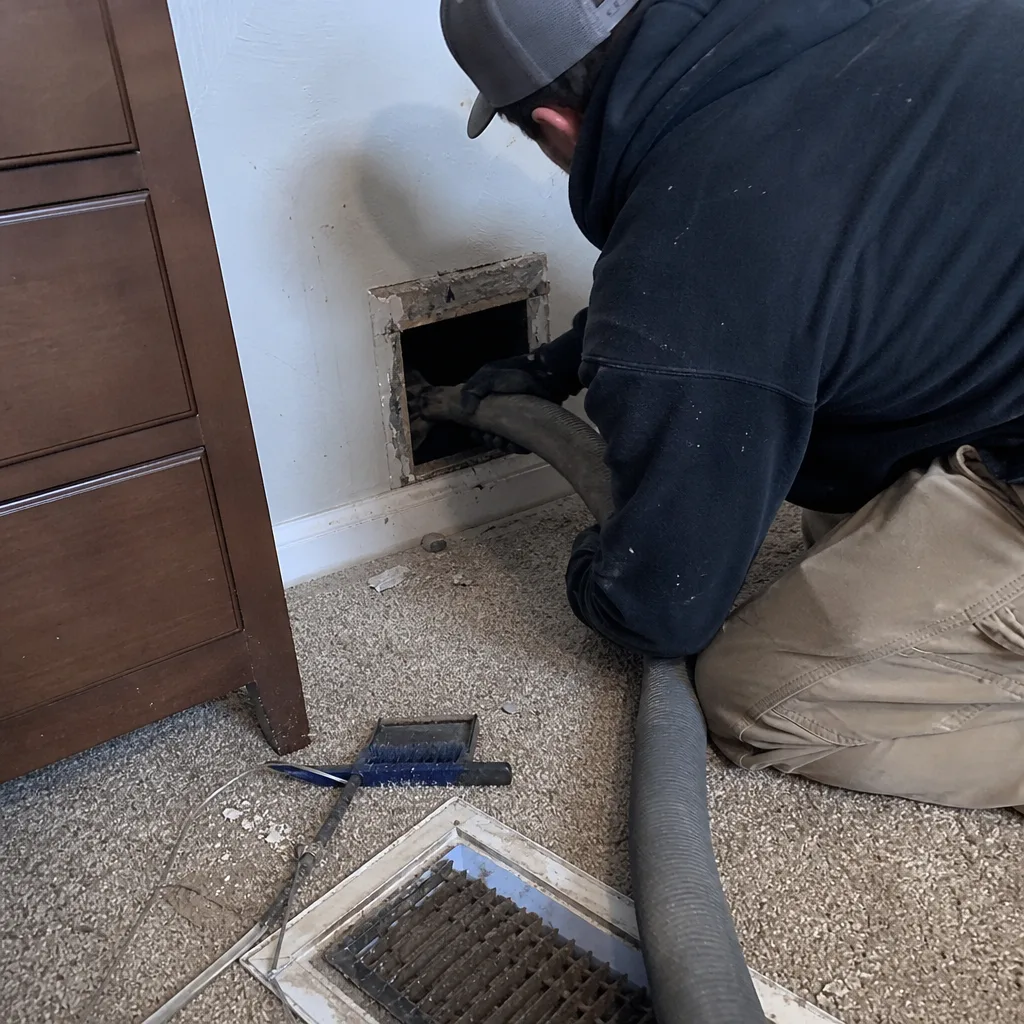 Before
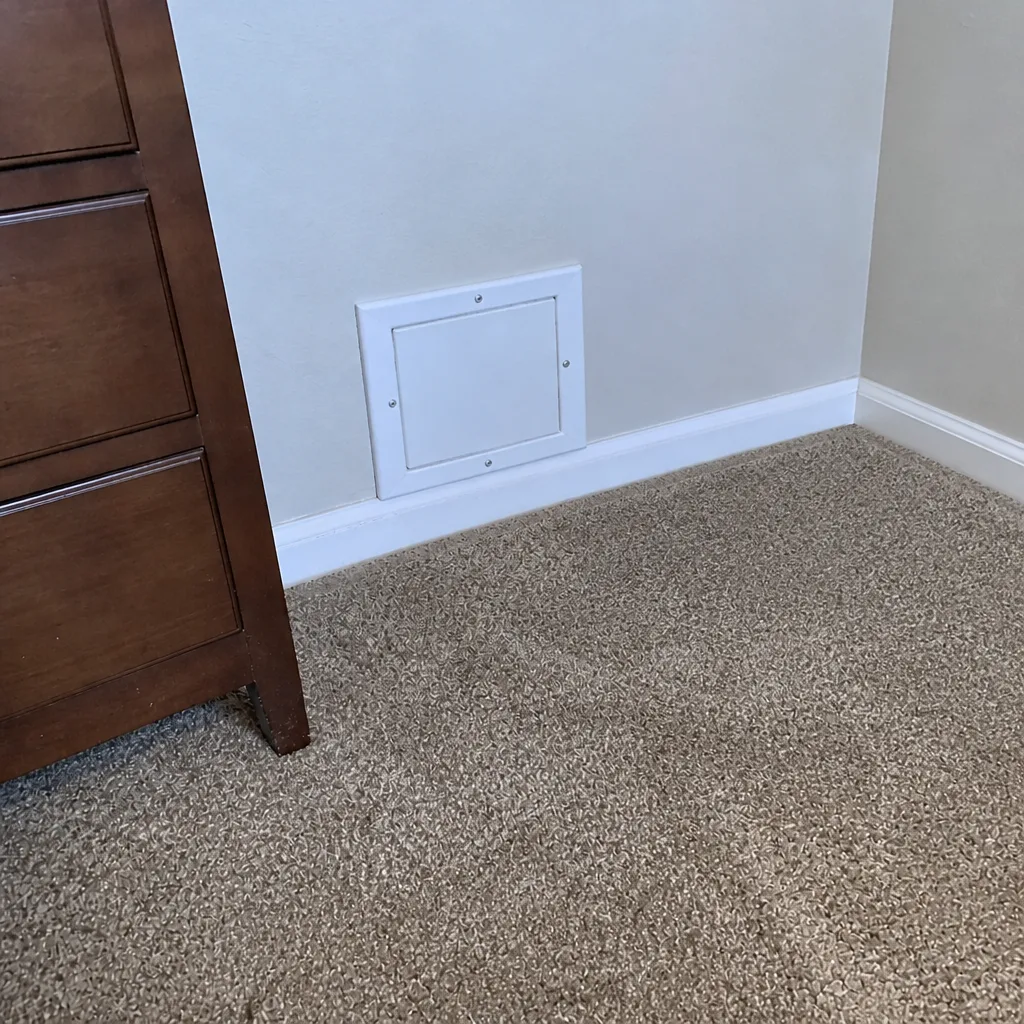 After
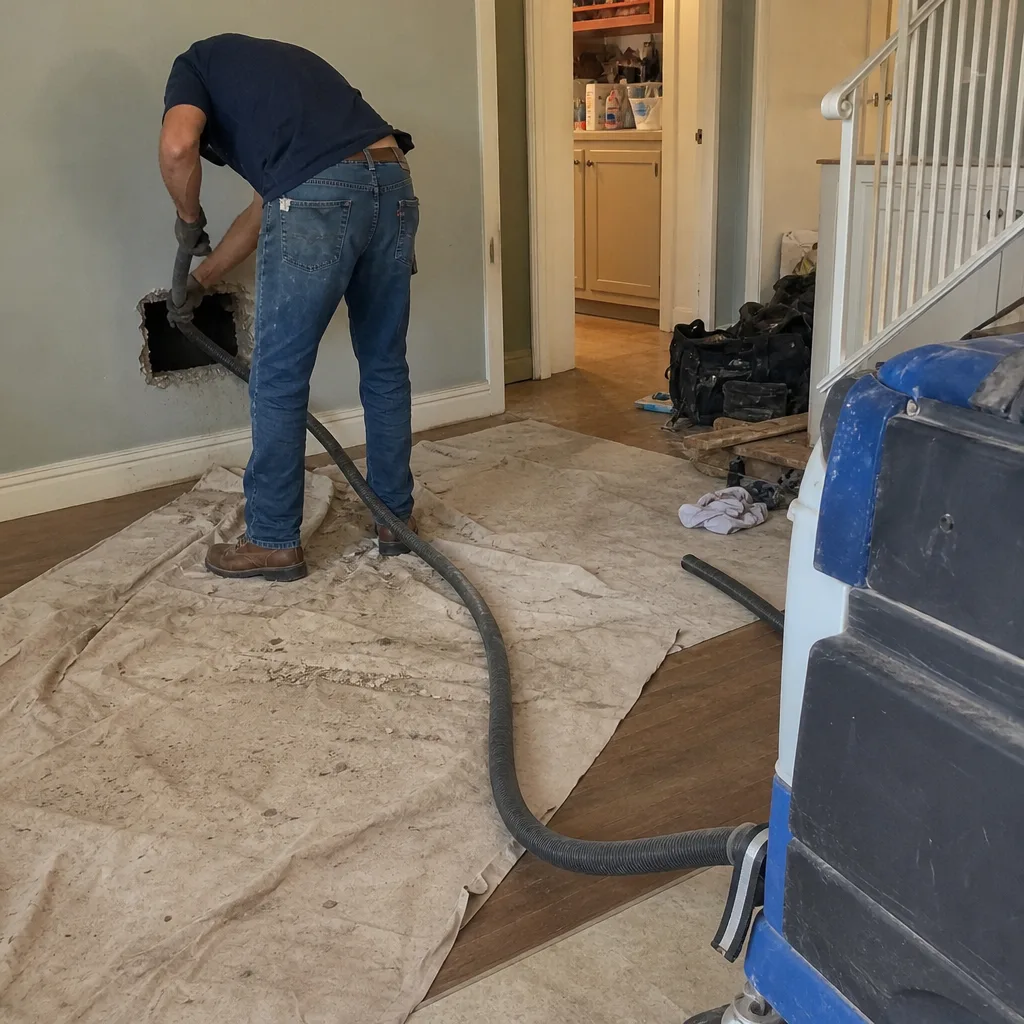 Before
 After
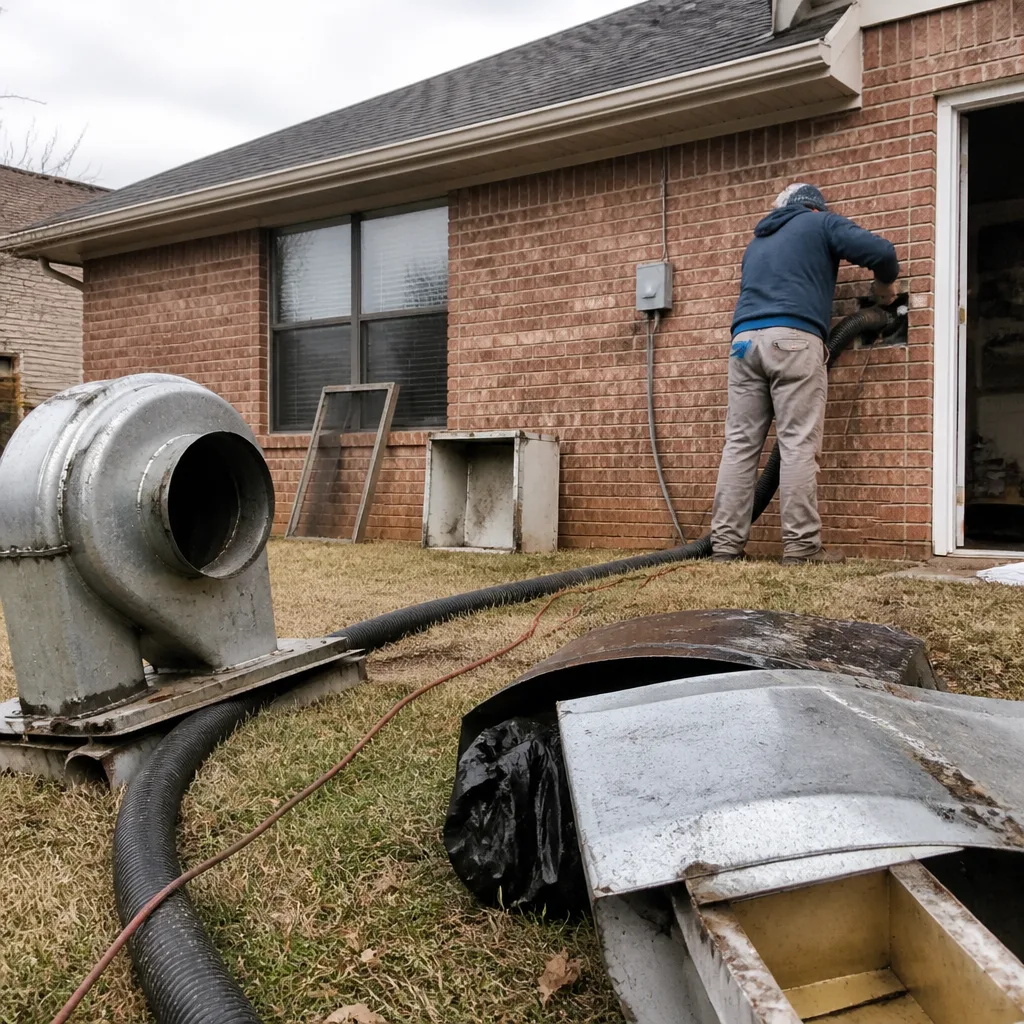 Before
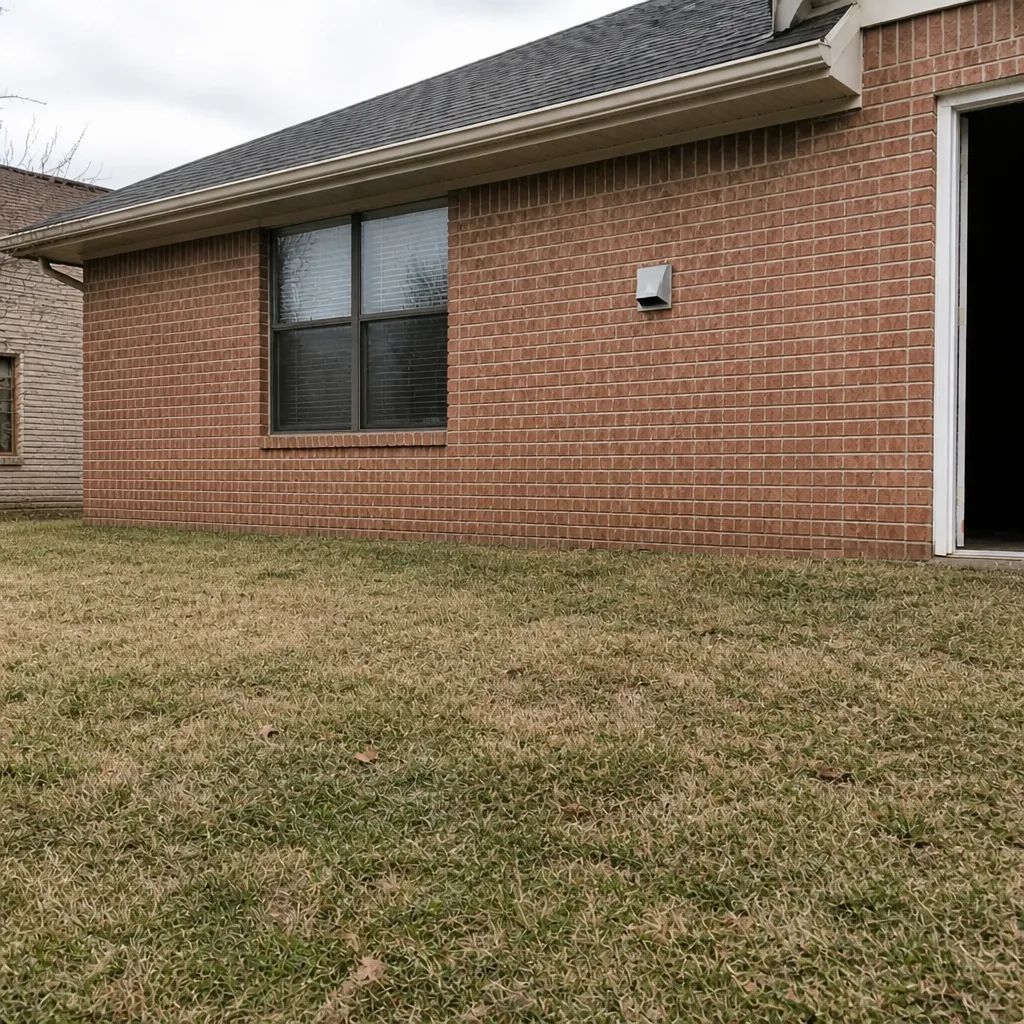 After
When to Call a Professional
Call a professional when the signal you’re seeing doesn’t match the normal post-cleaning pattern. That means dust fallout still heavy past 72 hours, a positive tissue test at supply registers a week after service, a damp or earthy smell that intensifies rather than fades, or airflow that’s clearly weaker in one room than it was before. Those are specific, diagnosable events, and a proper check identifies which one you’re facing. It’s also worth calling if you’ve never had the system cleaned and you’re seeing the original triggers: visible dust at registers, allergy flare-ups, a recent renovation, or a home purchase. Shoreline Duct Cleaning offers free estimates in Oklahoma City. Call (855) 360-8688 to book one.
Frequently Asked Questions
Normal dust fallout lasts 24 to 72 hours and is heaviest in the first day. If you’re still seeing the same rate of dust past day three, or the tissue test at supply registers turns positive a week later, that’s past the normal window and worth a callback. A faint, even gray tint on tissue is background dust; visible particles or specks are not.
A smell concentrated in one room usually points to that specific run rather than the whole system. The likely causes are a mold colony rooted in that duct section, a disconnected flex run pulling attic or cavity air, or a damp return routed through an unconditioned space. Oklahoma City’s humid summers make the colony scenario more likely in a duct that stays slightly damp between cooling cycles.
Yes, and when it does it’s a signal rather than a normal result. The usual causes are a flex duct connection that popped loose during brushing, a length of internal liner that collapsed, or a damper knocked out of position. Cleaning should improve or preserve airflow. If one room is clearly weaker after the job, that run needs to be inspected and likely repaired.
Check your air handler filter immediately after service. In a job run correctly, the filter shows fine gray dust on its upstream face and nothing on the downstream side. A filter packed solid, material on the downstream face, or visible dust settled on horizontal surfaces near returns within hours all suggest the vacuum wasn’t holding. Photograph the filter before changing it.
The combination of hot, humid summers and large temperature swings in attic duct runs does produce a particular set of problems here. Biological growth can reactivate fast when humidity climbs, and attic returns see conditions that stress joints and liner. Add in the retrofit-heavy housing stock in older Oklahoma City neighborhoods, and you get a system prone to disconnected flex runs and sagging liner.
Yes, often. A damp, linty smell confined to the laundry area, clothes taking too long to dry, or a dryer that feels unusually hot all point to the dryer vent rather than the HVAC ducts. It’s a separate system and a fire-safety concern, and it’s worth having it cleaned on its own schedule rather than waiting for a duct appointment.
The Bottom Line
Post-cleaning duct problems are diagnostic signals, not mysteries. Dislodged debris odor and light dust fallout are normal for 72 hours and fade on their own. A damp smell that doesn’t fade, a positive tissue test at supply registers a week out, or a filter that shows the vacuum wasn’t held all point to incomplete work, and those are legitimate reasons to call the company back. Airflow that’s weaker in one room after cleaning is usually a duct defect, not a cleaning failure, which is why repair capability matters. And a smell confined to the laundry is likely the dryer vent, which is its own safety-critical service. Read the signal, respond to the specific cause, and you’ll avoid paying twice for the same problem.
If you’re in Oklahoma City and you’re not sure which signal you’re looking at, we can help. Shoreline Duct Cleaning uses Rotobrush rotary-brush systems and Nikro HEPA vacuums, the same equipment specified on commercial and remediation job sites, and we can clean the system and then confirm it’s sealed. We work with the team you’ll speak to when you call. Our technicians have up to experience, and we offer free estimates. Call (855) 360-8688 for a free estimate. We answer 24/7. Fast dispatch from 7am to 7pm, Sunday through Friday.
Written by the team at Shoreline Duct Cleaning.