
Last updated November 15, 2026
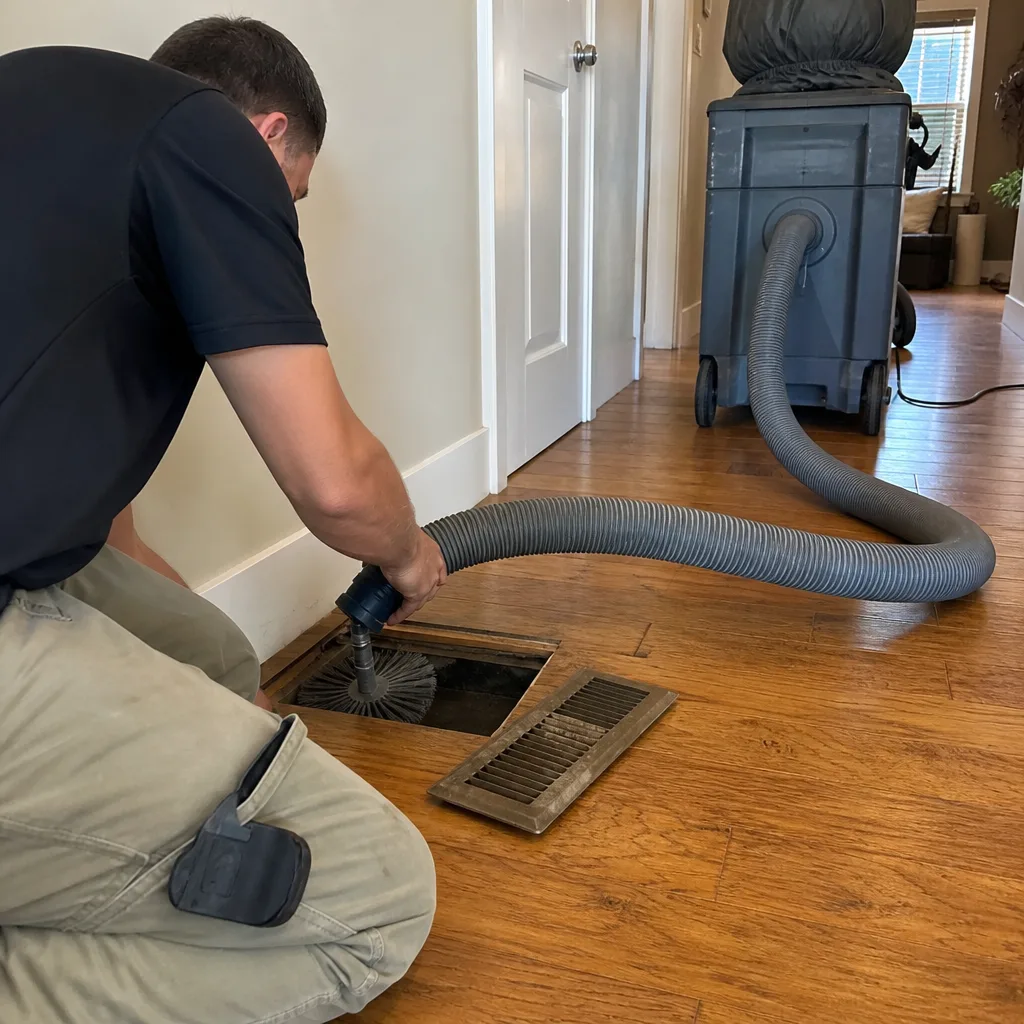
 Whole-home duct cleaning
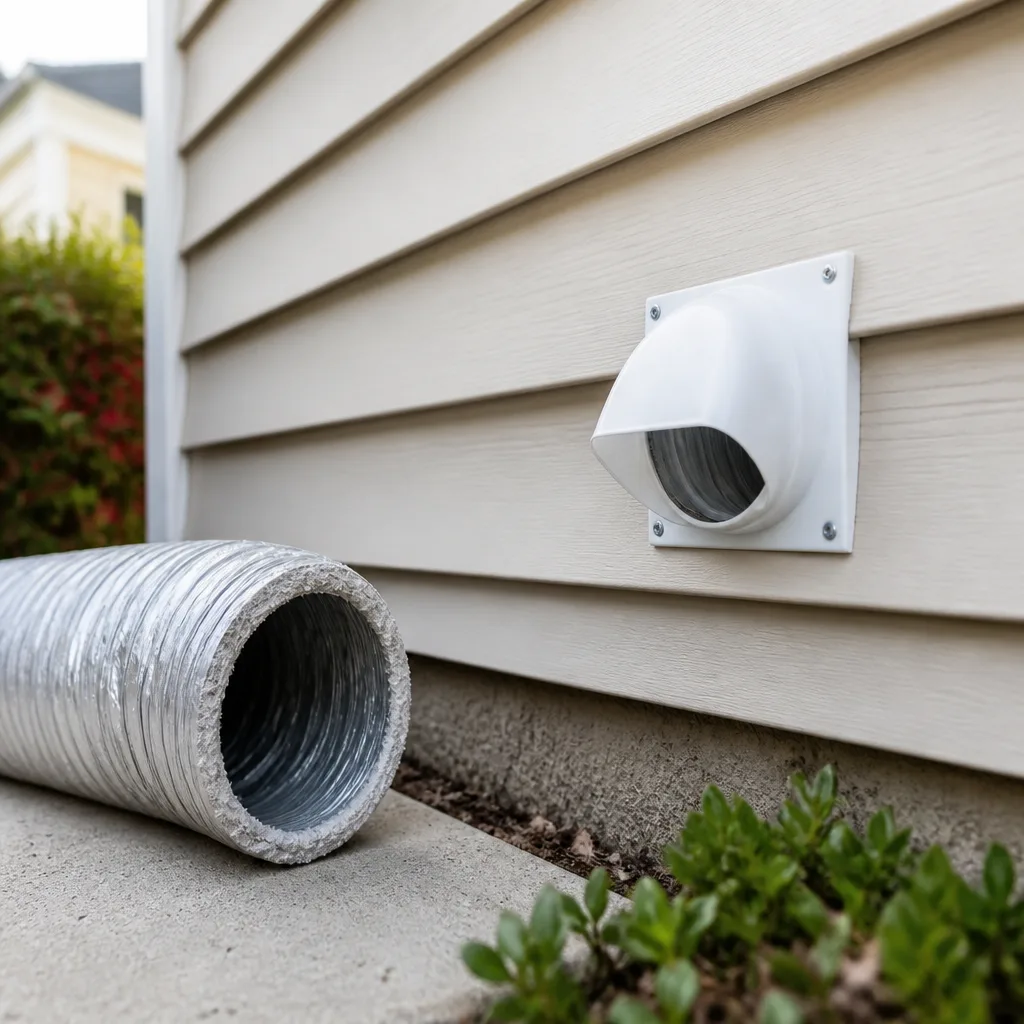 Dryer vent cleaning
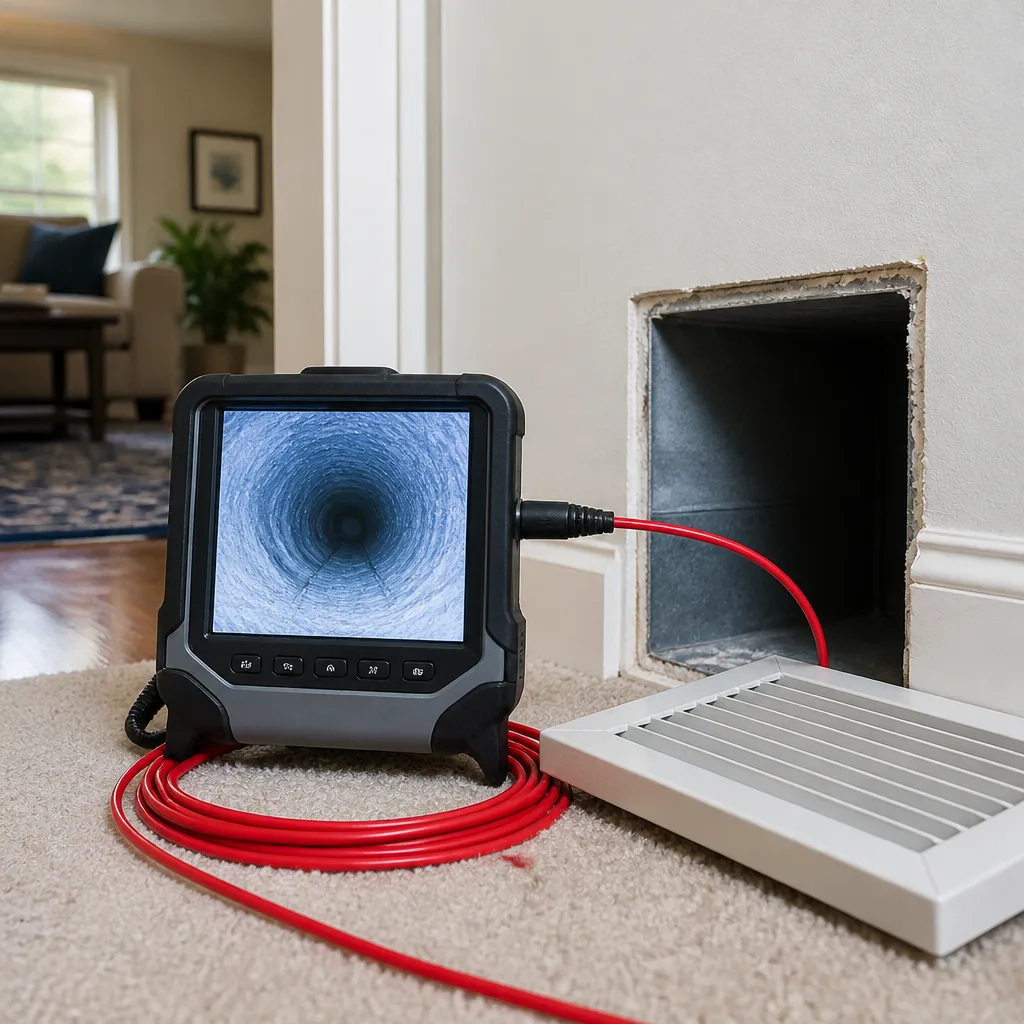 Camera inspection
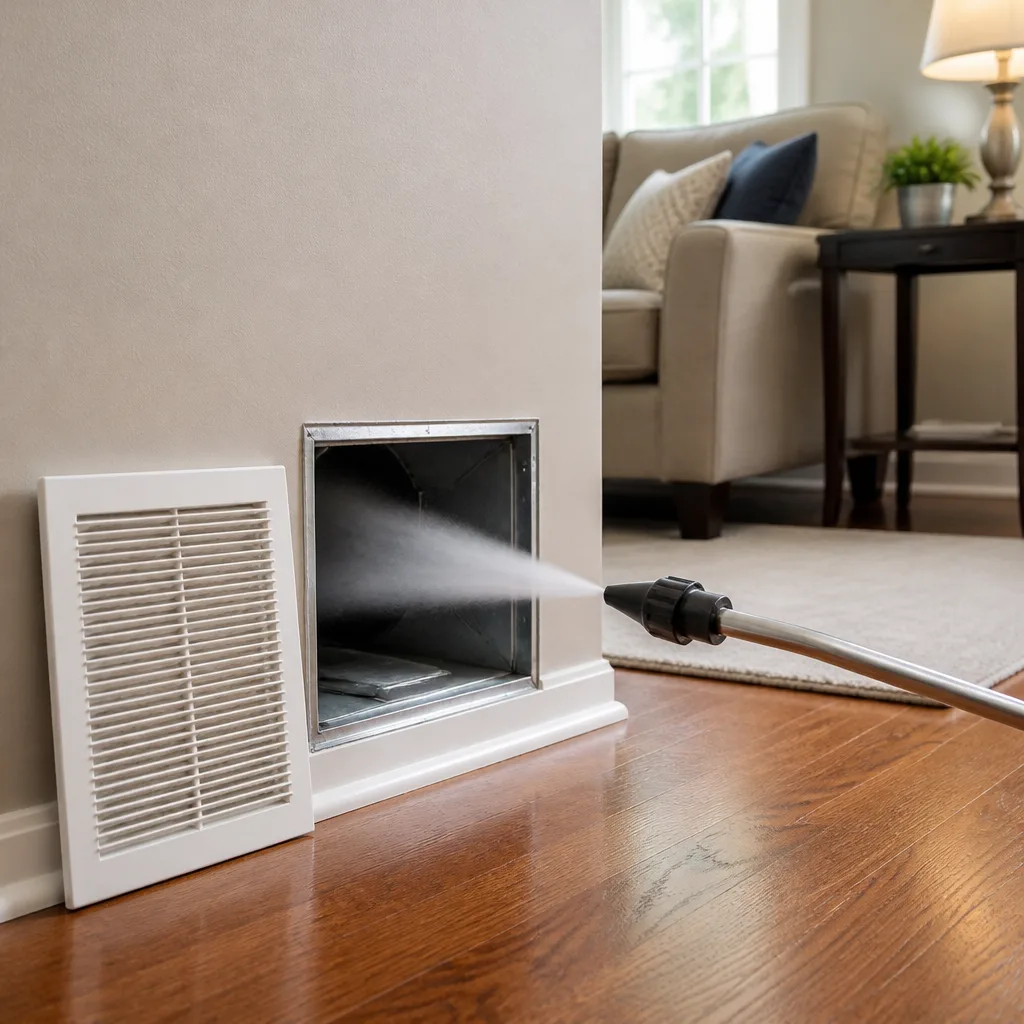 Sanitizing & deodorizing
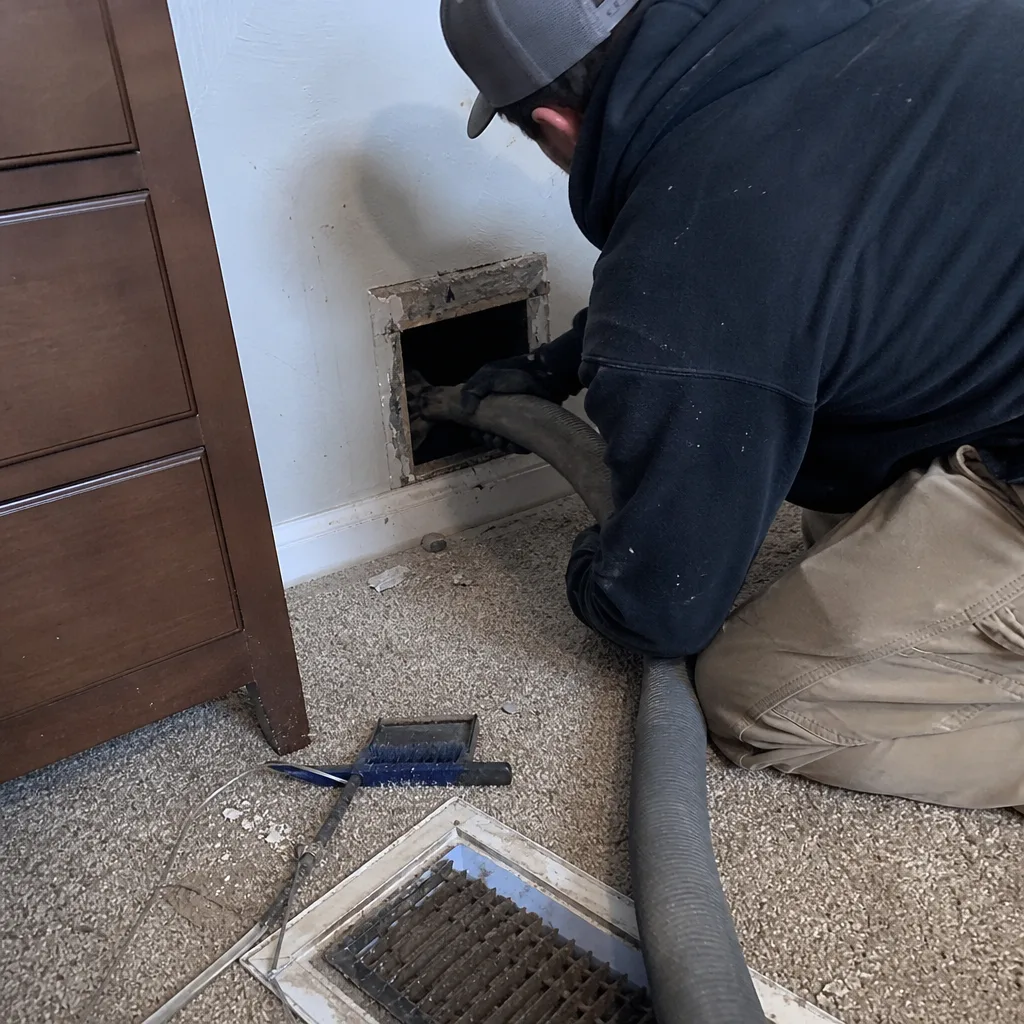
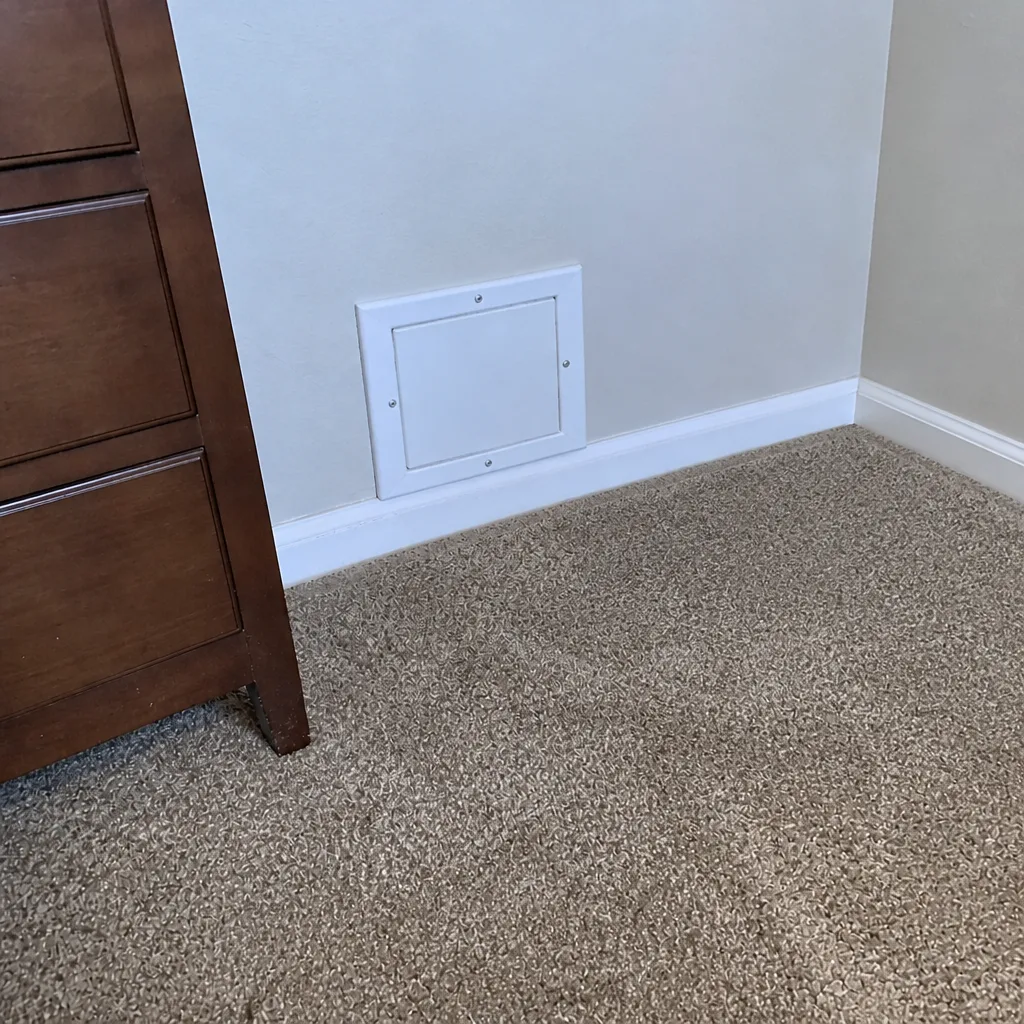
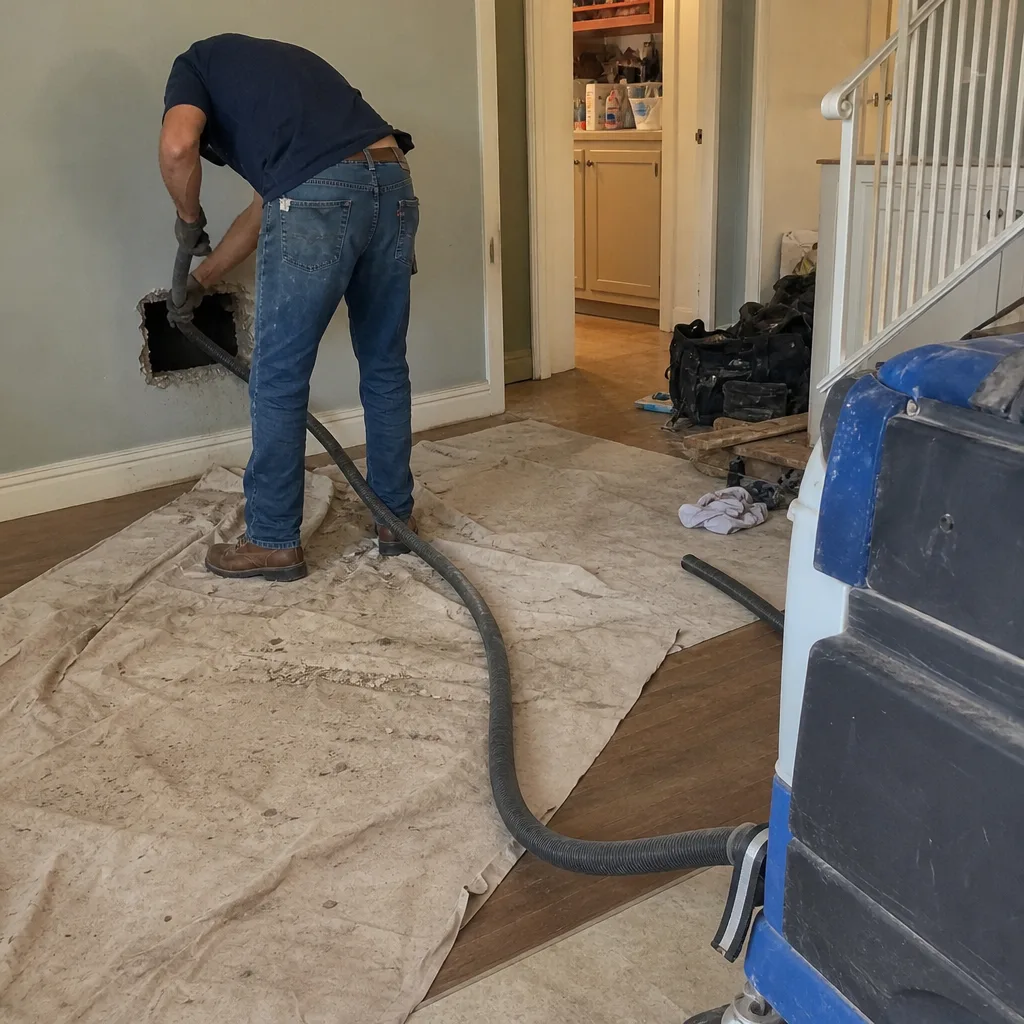
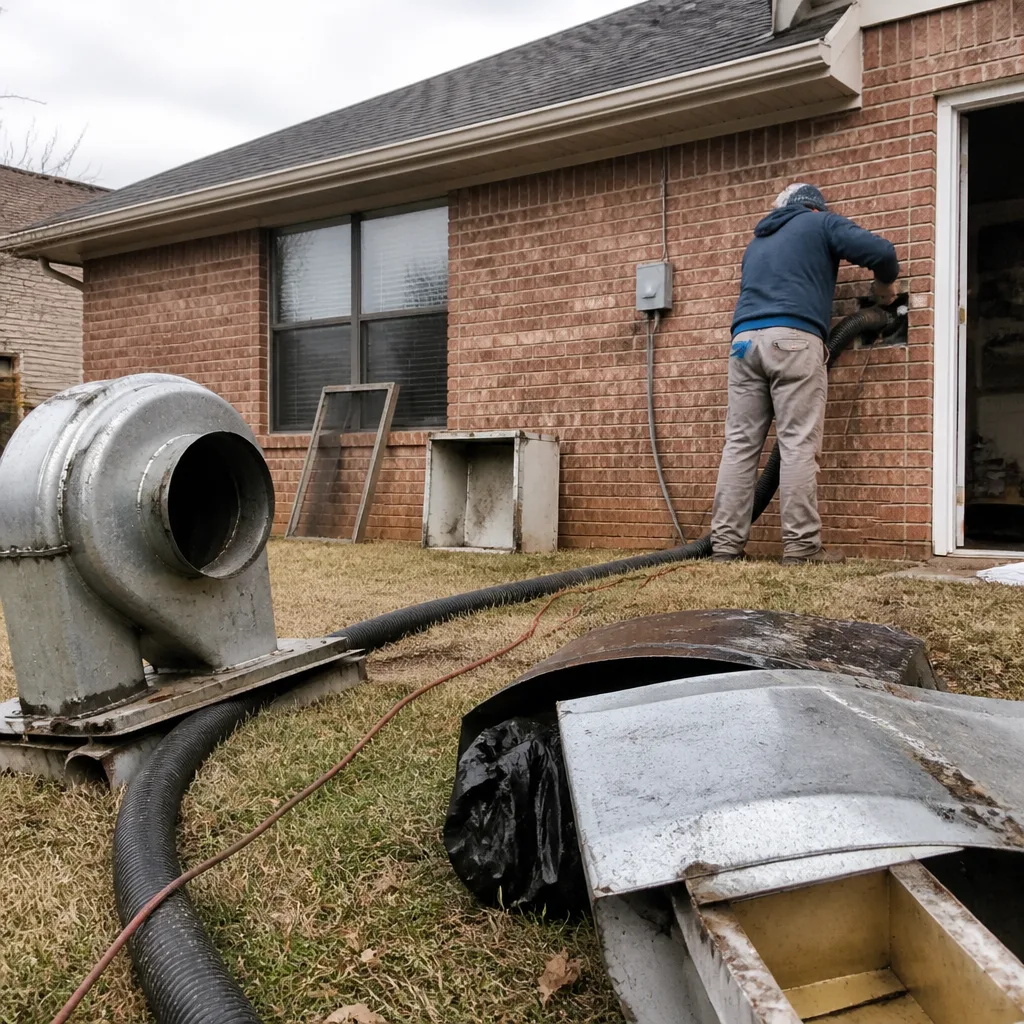
Whole-system duct and dryer vent check with before-and-after photos - you see exactly what came out of your vents
That "$99 whole-house special" is a bait ad - the real number appears once they are in your hallway, or the "clean" is a shop-vac at the register. We photograph the inside of your ducts before and after instead.
Air Duct Cleaning Permits, Codes & Inspections in Oklahoma City, OK: What You Need to Know
Here’s the instinct behind that search: you’re about to let someone open up the ductwork that runs through your house, and you want to know whether the city has to look at it before or after. That’s a smart instinct, and it deserves a better answer than a flat yes or no. In Oklahoma City, the permit question isn’t really about cleaning at all. It’s about where routine maintenance stops and mechanical work starts. Once you can see that line, you can tell a straightforward cleaning job from a repair that should carry a paper trail. This guide walks through which scope needs a permit, how OKC’s inspection process actually works, how to check a contractor’s history, and what homeowners here should keep in their records.
Quick Answer
Routine air duct cleaning in Oklahoma City does not require a permit because it counts as maintenance of an existing system, not construction or modification. Duct repair that changes the system, such as replacing or rerouting rigid ductwork, sealing with mastic where a run is reconfigured, cutting new openings for registers, or swapping out mechanical equipment, generally does fall under the Oklahoma Uniform Building Code’s mechanical provisions and needs a permit. If a contractor recommends work beyond cleaning, ask whether the job requires a mechanical permit and who is pulling it.
Styles & brands we work with
- Whole-home duct cleaning
- Dryer vent cleaning
- Camera inspection
- Sanitizing & deodorizing
Table of Contents
- Cleaning vs. Mechanical Work: Where the Line Sits
- What Oklahoma’s Uniform Building Code Says About Ductwork
- The Work That Triggers a Mechanical Permit in Oklahoma City
- When a Cleaning Job Turns Into a Repair Recommendation
- How to Verify a Contractor Through the OKC Permit Portal
- What an Open or Failed Mechanical Inspection Means for Your Home
- Records to Keep, and Why Homebuyers Will Ask
- Why OKC Climate Makes Duct Condition a Bigger Deal
Cleaning vs. Mechanical Work: Where the Line Sits
The cleanest way to think about it: cleaning removes what’s sitting inside a system that already exists, and permitting covers changes to the system itself. Oklahoma City’s code enforcement follows that distinction across the mechanical trades. A technician pulling debris out of a return plenum, brushing supply runs, and HEPA-vacuuming the air handler cabinet hasn’t altered the building’s mechanical systems in any way a code official would care about. There’s no new penetration, no new equipment, no reconfigured run.
Where people get confused is that a lot of “duct cleaning” quotes quietly include work that crosses into mechanical territory. That’s worth naming out loud:
- Not mechanical work, no permit: source removal cleaning of existing ductwork, register and grille cleaning, air handler cabinet vacuuming, blower compartment cleaning, dryer vent cleaning (dryer vents are appliances, not HVAC).
- Mechanical work, permit generally required: cutting new register openings in a floor, wall, or ceiling; rerouting a supply trunk; replacing a section of rigid duct with a different size; installing a new return; adding a zoning damper; replacing a furnace, air handler, or coil; extending ductwork into a new room or addition.
Notice that duct sealing falls in an in-between zone. Sealing a leak at a joint with mastic during cleaning is maintenance. Rebuilding a failing section of duct board or reinstalling a run so it’s sealed and supported differently is a modification. If a contractor at your house in Nichols Hills or the Plaza District starts describing “re-engineering the return,” that’s your cue to ask about permits.
What Oklahoma’s Uniform Building Code Says About Ductwork
Oklahoma uses a statewide adopted code framework, the Oklahoma Uniform Building Code, which pulls from the International Code family, and the Oklahoma City municipal code amends and enforces it locally. That means the mechanical provisions most relevant to ductwork are essentially the same ones you’d find in the International Mechanical Code, applied by OKC’s development services department.
Three concepts matter for a homeowner reading up on this:
- Scope of the mechanical code. The mechanical code governs the installation, alteration, repair, replacement, and maintenance of mechanical systems, which includes duct systems. “Alteration” is the operative word. Cleaning is maintenance; alteration is what triggers permitting.
- Permit requirements. The building code chapters on permits generally exempt ordinary maintenance and repairs that don’t affect structural, mechanical, or life-safety performance. A duct cleaning job falls under that exemption. Replacing a section of ductwork is a repair that the code treats as requiring a permit.
- Inspections. Permit-required mechanical work gets inspected. Duct runs that pass through concealed spaces usually get a rough-in inspection before the drywall closes. Equipment replacement gets a final inspection covering venting, combustion air, and clearances. Cleaning gets no inspection because there’s no permit.
Local code staff in Oklahoma City will tell you the same thing if you call development services with a specific address. We’ve always found it worth doing that call for any job that’s ambiguous, because enforcement in a given district can hinge on the individual scope description on the permit application.
The Work That Triggers a Mechanical Permit in Oklahoma City
Here’s the practical checklist we walk homeowners through when a cleaning inspection turns up something that needs fixing. Any one of these items on your scope of work means a mechanical permit should be pulled before the work starts. In Oklahoma City, mechanical permits route through the city’s online permitting system.
- Any new opening in the building envelope or interior finish. A new supply or return register is a modification, even if it’s a small one.
- Replacement of more than a patch. A short patch repair to a damaged duct section is usually treated as maintenance. Replacing a whole run or trunk line is not.
- Changes to duct sizing or routing. Upsizing a run, eliminating a branch, or moving a trunk to accommodate a remodel all change the system’s calculated airflow.
- Equipment replacement. Furnace, air handler, coil, and condenser replacements are all permitted mechanical work, and the duct connections to that equipment are part of the permitted scope.
- Zoning and damper additions. Adding motorized zoning or a balancing damper where none existed is a system modification.
- Extending ducts into new conditioned space. Finishing a garage or a bonus room over the garage in Edmond or Yukon? Duct extensions into new conditioned area need to be on the permit along with the other work.
- Any work involving gas appliances. If duct changes touch the flue of a gas furnace or water heater, the gas and venting scope goes on the permit too.
One thing that surprises homeowners: air duct cleaning and duct repair can happen on the same visit, and the permit boundary is a scope line, not a scheduling line. A cleaning job with a permitted repair attached is normal. It just needs the paperwork side handled correctly before the technician starts cutting.
When a Cleaning Job Turns Into a Repair Recommendation
The most common situation we hear about in Oklahoma City is a homeowner who calls for cleaning and hears, once the technician is on site, that the system has a list of problems. Some of those findings are real. Disconnected flex duct in an attic, crushed runs behind a knee wall, and torn duct board at the plenum are all things we find on cleaning visits in this market because of how much of the housing stock here was built.
But the recommendation needs to be separated from the cleaning, not bundled with it. Here’s how a homeowner should work through it:
- Ask for photos of the actual problem. A real repair finding can be shown. A camera shot of a crushed run or a disconnected collar is evidence. A vague “the ducts are damaged” isn’t.
- Ask whether the repair requires a permit. If the answer is “no, it’s just a repair,” press on scope. Anything beyond a patch, and moving or adding registers, should trigger a permit.
- Ask who pulls the permit. The code-holding contractor can pull it. A handyman can’t perform permitted mechanical work in Oklahoma City.
- Get the repair in writing as a separate quote. Cleaning is one scope. Repair is a second. Mixing them on one line is how the permit question gets lost.
- Be skeptical of recommendations to seal the whole system. Aerosol duct sealing can be legitimate, but on an older home in a market with a lot of pier-and-beam subfloors and flex duct in hot attics, sealing is often better handled as targeted mastic work at specific failed joints.
Our practice is to put the findings in front of a homeowner with photos and let them decide. If that means a return visit after a permit is pulled, that’s fine. What we don’t want is a homeowner getting repair work done during a cleaning job without knowing which parts of it needed paperwork.
How to Verify a Contractor Through the OKC Permit Portal
Oklahoma City publishes permits and inspections through the city’s online permitting and development services portal. It’s public, it’s free to search, and it’s the single best way to check what a contractor has actually done versus what they say they’ve done. Use the address-based search and the contractor-name search, and look at these signals:
- Pull up the property address. You’ll see every permit ever filed at that address, including the ones pulled by previous owners. Worth doing before you buy a house and worth doing before a big repair.
- Look at permit type and status. Mechanical permits show scope and status (issued, inspection scheduled, inspection passed, finaled, or expired). A permit that was issued and never finaled is a red flag.
- Check the contractor on record. The permit shows the licensed mechanical contractor who pulled it. If a company’s name only ever appears on cleaning jobs and never on mechanical permits, that tells you what kind of shop they run.
- Cross-reference with the state license lookup. Oklahoma requires mechanical contractor licensure for permitted work. Check the license status on the state’s construction industries board lookup, and confirm the license class covers the scope you’re hiring for.
- Read the inspection notes. If inspections were performed, the results and any correction notices are usually attached to the permit record.
If you can’t find a mechanical permit for a repair a contractor told you they did, that’s the conversation to have with them before you pay the invoice. It’s also the single strongest vetting step when you’re comparing Shoreline Duct Cleaning against other options. We encourage it. A company that can’t produce its permit trail for mechanical work shouldn’t be doing mechanical work.
What an Open or Failed Mechanical Inspection Means for Your Home
An open permit is one that was issued but never closed out with a passed inspection. A failed inspection is one where the code official found a problem and issued a correction notice. Both leave a mark on the property record, and both matter to a homeowner more than most people expect.
Here’s what an open or failed mechanical permit typically means:
- It shows up in a title search or permit history. A buyer’s inspector pulls the permit record. An open permit at the address is a routine finding, and it usually invites a request for the seller to close it before closing.
- It can hold up a future permit. Oklahoma City generally won’t issue a new permit at an address with an unresolved open permit from prior work until that permit is resolved.
- It puts the burden on you. If a previous owner left an open permit, the city doesn’t care who pulled it. Resolving it means getting a licensed mechanical contractor to correct the work and call for the inspection.
- It removes a safety check. A failed mechanical inspection usually means something specific was wrong: inadequate combustion air, improper venting, unsupported duct, a clearance issue. Those are the things an inspection exists to catch.
What we recommend after any permitted duct repair: pull the permit record at your address yourself, and confirm the inspection passed. It takes five minutes, and it’s the difference between a documented repair and an undocumented one.
Records to Keep, and Why Homebuyers Will Ask
Homebuyers in Oklahoma City ask for HVAC records at essentially every inspection. It’s one of the first things a buyer’s agent requests, because a house here without documentation invites re-negotiation on the mechanical system. If you’ve had any duct work done, keep a small file:
- Cleaning invoices with scope and date. Even though cleaning doesn’t need a permit, the invoice is your record of when the system was cleaned and by whom. It answers the buyer’s “when was this last cleaned?” question with something better than a shrug.
- Before-and-after photos. Modern cleaning services should provide these as standard. Oklahoma City homeowners who keep them have a leg up when a buyer’s inspector makes a comment about the ducts.
- Permit numbers and inspection results for any duct repair, equipment replacement, or system modification.
- Filter MERV ratings and any air-quality components installed. If a contractor added a media cabinet, a UV component, or a humidifier, note the brand and model. Components from Honeywell and Aprilaire are common in this market, and their model numbers show up in buyer inspection reports.
- Dryer vent cleaning records. Separate service, but it belongs in the same file, and inspectors do ask.
Keep it digital. Scan the invoices, label the photo folders with the address and date, and email yourself the permit numbers. It’s a ten-minute task that pays for itself at inspection time.
Why OKC Climate Makes Duct Condition a Bigger Deal
Oklahoma City sits in a part of the country that swings hard between seasons and sits squarely in tornado alley. That combination shapes what we find in ductwork here in ways a homeowner coming from a milder climate won’t expect. Humid spring and summer air drives attic moisture conditions that punish flex duct insulation and duct board. Winter dry spells do the opposite and put static and joint stress on older systems. And hail events and windstorms routinely dislodge roof penetrations and attic connections that then show up as duct leaks.
What that means in practice: the interval between “the ducts are fine” and “the ducts have a problem” can be short here compared to markets with milder swings. Cleaning intervals on a home near Lake Hefner tend toward the tight end of the normal range, and homes on the city’s south and east sides, where a lot of older stock has heavily modified systems from decades of add-ons, often show up with ductwork that has been patched and re-patched by people who never pulled a permit. That’s the history worth knowing about before you buy.
We bring Rotobrush rotary-brush systems and Nikro HEPA-vacuum equipment to every cleaning for a reason: on a system that’s seen this kind of wear, surface-only cleaning doesn’t do much good. The same HEPA-vacuum systems used on remediation sites pull material out of the system instead of moving it around the house. Abatement Technologies filters and Guardsman components are part of our working setup, and we integrate Honeywell and Aprilaire air-quality parts when a homeowner’s system is set up for them. The equipment matters less than the scope does, though. A thorough cleaning of an existing system is maintenance, and that’s a permitted-free zone. Repair is the side of the fence where permits live.
Common Mistakes to Avoid
- Assuming cleaning requires a permit. It doesn’t, and a contractor who tells you they’ll “handle the permitting” on a routine air duct cleaning job is either confused about the scope or padding the invoice. Cleaning is maintenance.
- Assuming repair doesn’t require a permit. The opposite mistake, and the more expensive one. Cutting new registers, rerouting runs, or replacing equipment without a mechanical permit leaves you holding an unpermitted modification at resale.
- Accepting a verbal “we’ll take care of it” on a scope that clearly crosses into mechanical work. Ask for the permit number before work starts. If they can’t produce one, that job isn’t on the up-and-up.
- Not checking the permit record at the address before you buy. Oklahoma City’s portal is public. Ten minutes with the address search can turn up an open permit from 2017 that would otherwise become your problem.
- Ignoring open permits discovered after closing. An open permit doesn’t go away. It holds up future permits at the address, and fixing it later means hiring a licensed contractor and calling for the inspection on your own dime.
- Keeping no records. Cleaning invoices, photos, and permit numbers should live in a single file at the address. Buyers’ inspectors ask, and the best time to assemble it is before the question comes up.
- Letting a cleaning job turn into “while we’re here” repair work without a separate written quote. Cleaning and repair are two different scopes with two different permit answers. Keep them that way, even when they happen on the same visit.
When to Call a Professional
Call a professional if you’re buying or selling a home in Oklahoma City and want the duct system and the permit record reviewed before inspection day. Call if a technician has recommended duct repair, duct sealing, liner work, register relocation, or any equipment change and you want a second read on whether a permit is required. Call if you’ve found an open permit at your address and don’t know where to start. Call if the HVAC system has been running with visible dust at the registers, musty odors, or a recent renovation left debris in the return, and you want the cleaning done right. Call for dryer vent cleaning if the vent hasn’t been cleaned in a while: dryer vents are fire-safety equipment, not an appliance convenience. Shoreline Duct Cleaning offers free estimates in Oklahoma City. Call (855) 360-8688. We answer 24/7. Fast dispatch from 7am to 7pm, Sunday through Friday.
Frequently Asked Questions
No. Air duct cleaning is treated as routine maintenance of an existing mechanical system, so no permit is required. Routine cleaning covers source-removal work inside existing ductwork, registers, the air handler cabinet, and the blower compartment. The permit question only comes up when the scope changes the system itself, such as cutting a new register, rerouting a run, or replacing equipment. Call (855) 360-8688 for a free estimate. We answer 24/7.
It depends on scope. Sealing a leak at a joint with mastic during cleaning is maintenance and doesn’t require a permit. Rebuilding a failing duct section, rerouting a run, or installing a sealant system that changes the system’s configuration is a modification and generally does require a mechanical permit. Ask the contractor to describe the scope in writing, then compare it to the permit triggers above. If the scope is ambiguous, call Oklahoma City’s development services line and describe it to a code official.
Search Oklahoma City’s online permitting portal by property address and by contractor name. Every mechanical permit filed at the address will show up with the permit type, status, contractor of record, and inspection results. Cross-reference the contractor with the Oklahoma Construction Industries Board license lookup to confirm licensure. If a contractor told you they pulled a permit and it doesn’t appear on the portal, ask them for the permit number before you pay.
It shows up in the buyer’s inspection and title search, and it usually becomes a negotiation issue before closing. The permit has to be resolved: the work needs to be corrected if the inspection failed, and a licensed mechanical contractor has to call for the inspection and close it out. An open permit can also block new permits at that address, which is a problem if the buyer intends to do any work right after close. Resolve it before listing, not after.
After. A remodel in Oklahoma City, especially one that involves drywall or floor refinishing, throws a lot of fine debris into the system, and cleaning right before the mess defeats the purpose. Wait until the final construction dust has settled, then schedule the cleaning. If your remodel includes duct changes, get the permit and inspection closed out first, then clean.
Yes, if the repair scope crosses into mechanical work. Cleaning and repair are two scopes, and the permit answer follows the repair, not the cleaning. If a contractor tells you a repair is a “cleaning add-on” and doesn’t need a permit, ask for the scope in writing. Anything beyond a patch repair, plus any register relocation or equipment change, should trigger a mechanical permit in Oklahoma City. Call (855) 360-8688 for a free estimate. We answer 24/7.
The Bottom Line
Air duct cleaning itself doesn’t need a permit in Oklahoma City because it’s maintenance of a system that already exists. Duct repair, register relocation, rerouting, and equipment replacement do, because those change the system. The valuable skill isn’t memorizing code sections; it’s being able to read a scope of work and know which side of that line it falls on. Ask for repair recommendations in writing with photos. Ask who pulls the permit. Check the OKC permit portal at your address, and keep every invoice, photo, and permit number in one file. Do that, and the paperwork side of ductwork stays boring, which is exactly what you want.
Written by the team at Shoreline Duct Cleaning.
See the difference
 Before
 After
 Before
 After
 Before
 After