
Last updated November 15, 2026
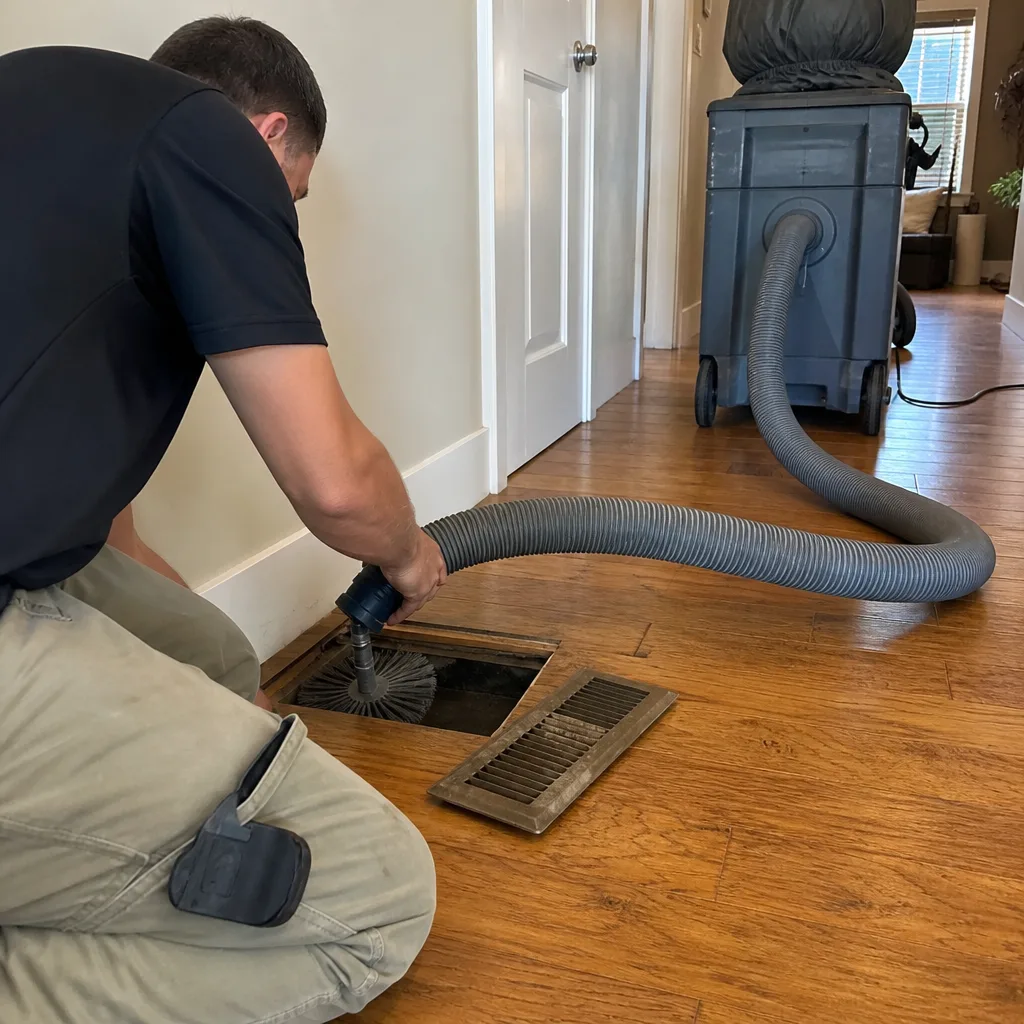
 Whole-home duct cleaning
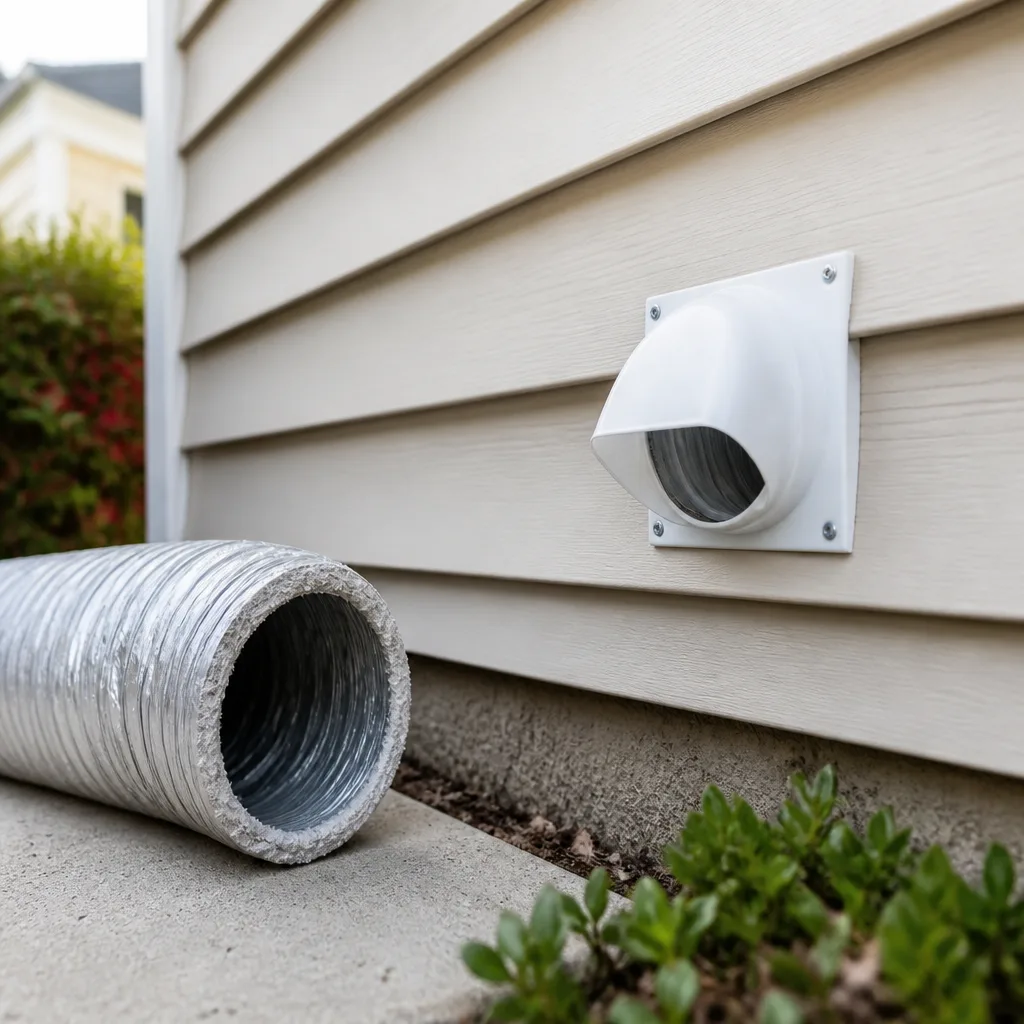 Dryer vent cleaning
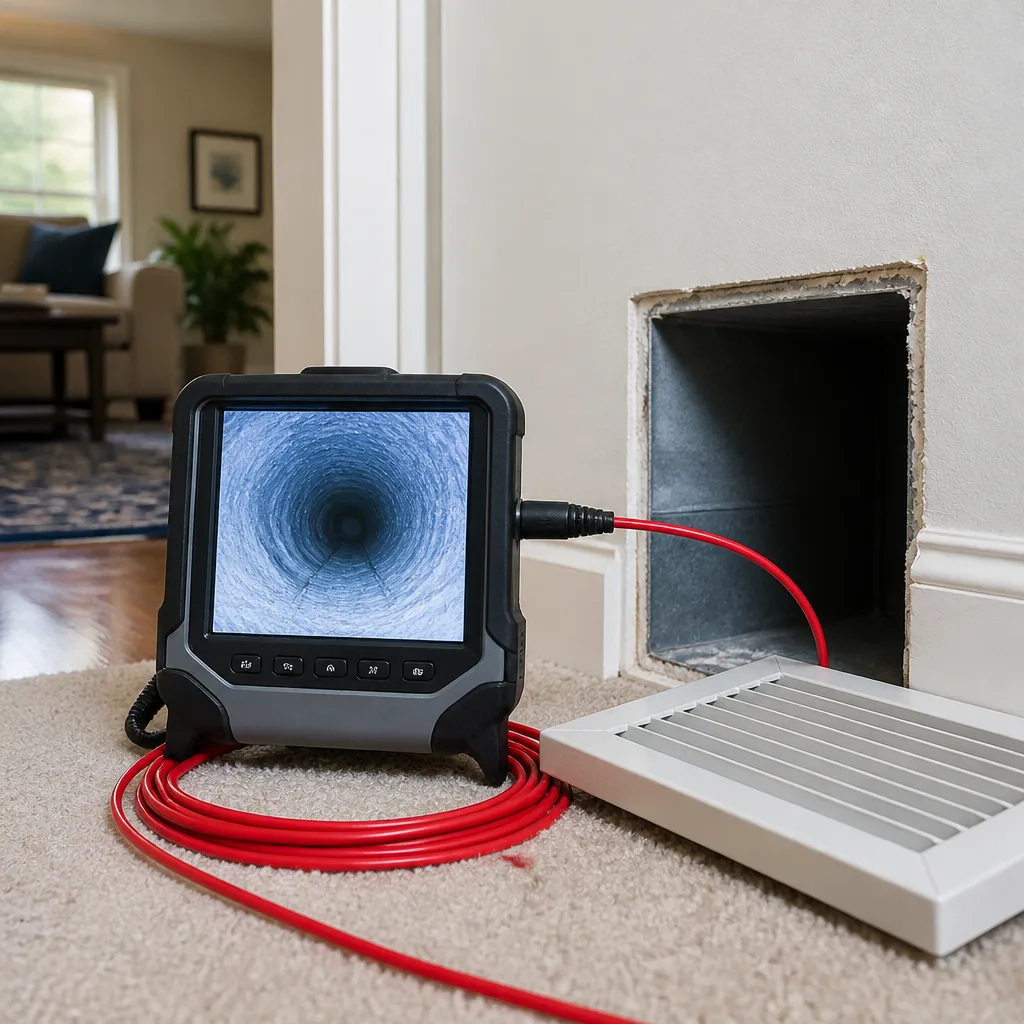 Camera inspection
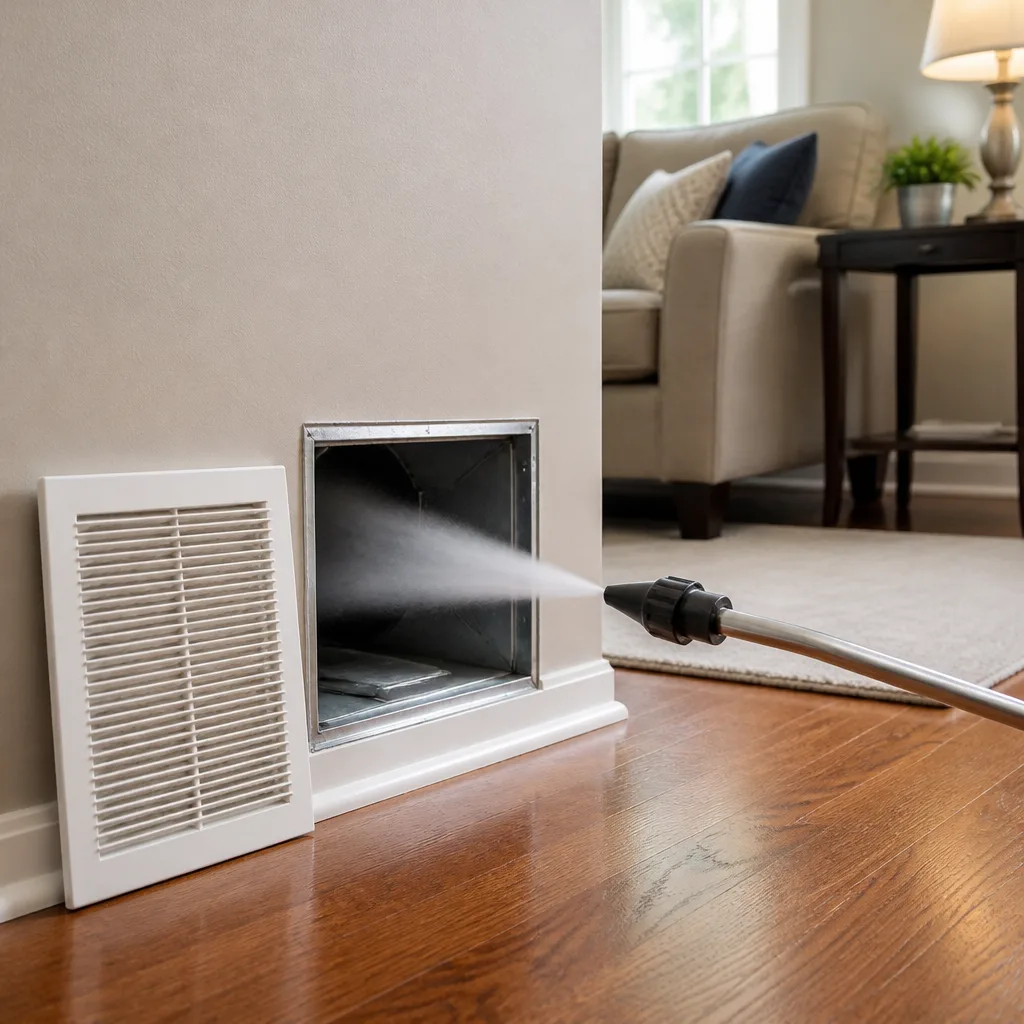 Sanitizing & deodorizing
Whole-system duct and dryer vent check with before-and-after photos - you see exactly what came out of your vents
That "$99 whole-house special" is a bait ad - the real number appears once they are in your hallway, or the "clean" is a shop-vac at the register. We photograph the inside of your ducts before and after instead.
How to Hire an Air Duct Cleaning Contractor in Oklahoma City: A Step-by-Step Guide
Oklahoma does not require a specific duct cleaning license. That single fact changes how you should shop for the service in Oklahoma City, because it means anyone with a shop vac, a ladder and a website can legally advertise duct cleaning here today. No state board checks their equipment. No inspector watches them work. The vetting burden lands entirely on you, the homeowner, and most hiring guides skip that part. This guide covers what Oklahoma law does and doesn’t require, the five equipment questions to ask before you schedule, how to read a quote line by line, and the red flags that show up in the Oklahoma City market specifically.
Quick Answer
To hire an air duct cleaning contractor in Oklahoma City, verify three things before you sign anything: proof of liability insurance, the actual equipment they’ll bring (a truck-mounted or portable HEPA vacuum with a stated CFM rating, plus a mechanical agitation method), and confirmation they’ll do a pre-job walkthrough of your system. There’s no state licensing requirement for duct cleaning in Oklahoma, so those checks are the only real protection you have. Get everything in writing before work starts.
Styles & brands we work with
- Whole-home duct cleaning
- Dryer vent cleaning
- Camera inspection
- Sanitizing & deodorizing
Table of Contents
- What Oklahoma law does and doesn’t require
- The five equipment questions to ask before scheduling
- How to read a duct cleaning quote
- Red flags specific to the Oklahoma City market
- The vetting steps that aren’t optional
- Why a pre-job walkthrough matters
- What a properly equipped duct cleaning job looks like
- Common mistakes to avoid
What Oklahoma law does and doesn’t require
Oklahoma has no mandatory state licensing or certification for the duct cleaning trade itself. That’s the regulatory gap homeowners need to understand before they sign a work order, and it’s bigger than most people assume. A contractor who cleans ducts in Oklahoma City isn’t required to pass a state exam, carry a trade-specific license, or hold a certification from any industry body. What does apply is general business registration and, for many contractors, a general contractor license for larger work. Some duct cleaning companies hold an HVAC license through the state, but that license covers HVAC installation and repair, not duct cleaning as a defined scope. It’s a related credential, not a guarantee.
What this means practically: you can’t call a state office and confirm a duct cleaner is qualified, because no such registry exists for the trade. The credentials that matter are voluntary ones. Membership in a national duct cleaning association, proof of liability insurance, and documented equipment are what separate a real operation from a person with a shop vac. Ask for them directly. A contractor who’s properly set up won’t hesitate.
One more piece of the gap: homeowner protection in Oklahoma runs through your own contract terms, not through a licensing board that can discipline a bad actor. That puts the written estimate, the scope of work, and the equipment list at the center of your protection. Treat the document as the thing you’re actually hiring, because in the absence of licensing, it’s the only enforceable record of what you agreed to.
- No state duct cleaning license. The trade itself isn’t licensed in Oklahoma.
- No trade certification required. National association membership is voluntary.
- General business registration applies. But it doesn’t verify competence.
- HVAC licensing is adjacent, not the same. It covers equipment work, not duct cleaning.
- Your contract is the main protection. Get everything in writing.
The five equipment questions to ask before scheduling
The equipment a contractor brings tells you more about the job you’ll get than any sales pitch. Duct cleaning done right depends on two things working together: a vacuum strong enough to keep the system under negative pressure while debris is dislodged, and an agitation method that actually breaks loose what’s stuck to the duct walls. Here are the five questions to ask, and what a credible answer sounds like.
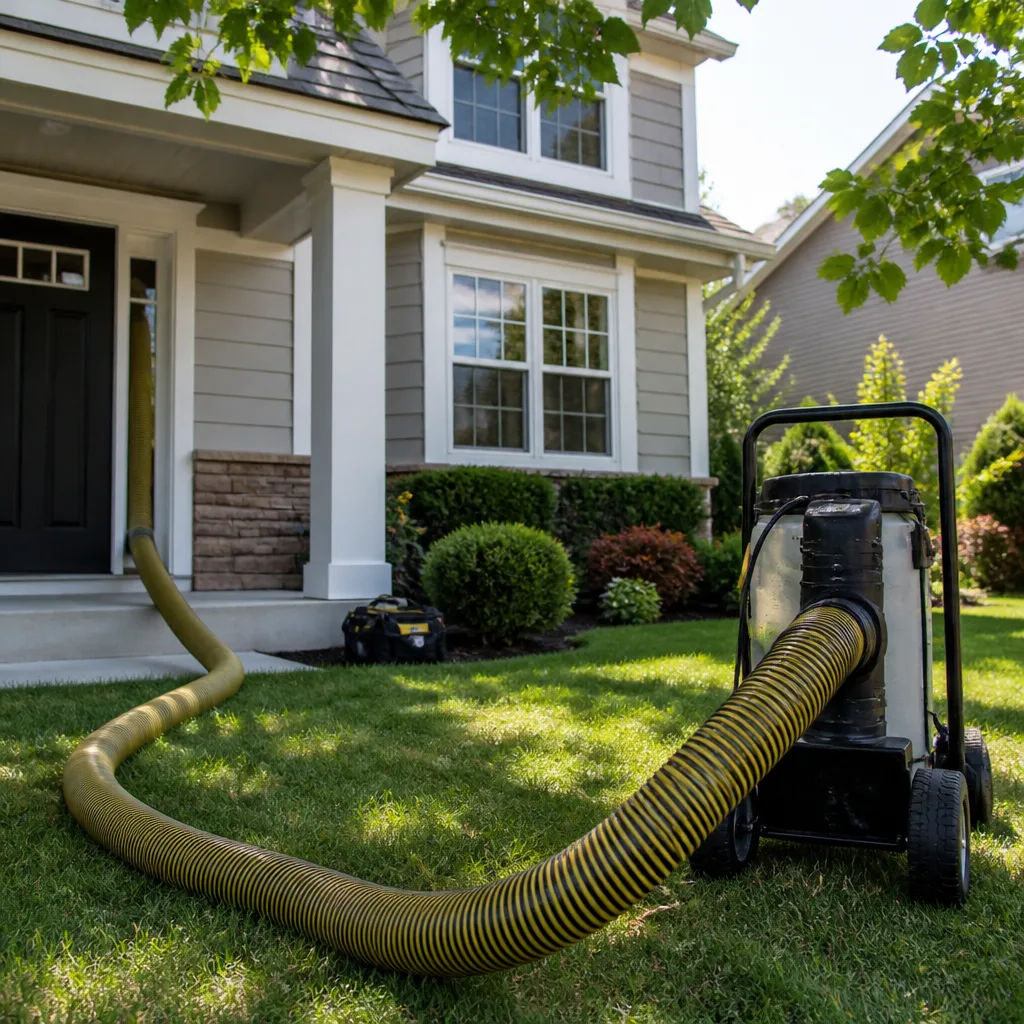
- Is your vacuum truck-mounted or portable, and what’s the CFM rating? CFM (cubic feet per minute) measures how much air the vacuum moves. A credible contractor can state their rating. A vacuum that’s too weak can’t hold the system under negative pressure, which means dislodged dust settles back into the ducts or drifts into your living space.
- What’s your agitation method? Mechanical rotary brushes, air whips and compressed-air tools all dislodge debris, but rotary brushes physically scrub the duct walls. A contractor who can name their agitation method and explain why they chose it is a contractor who’s thought about your system.
- How do you verify negative pressure during the job? This is the question that separates specialists from generalists. Negative pressure means the vacuum is pulling air (and debris) toward the collection point rather than letting it escape. Ask how they confirm it, and expect a specific answer about how they seal and monitor the system.
- What HEPA filtration do you use? HEPA-rated vacuum systems trap particles that a standard shop vac blows right back into the air. A contractor running a HEPA-vacuum setup is set up for the containment standards used on remediation job sites.
- Do you carry containment equipment for sensitive areas? If your home has a recent renovation, a family member with respiratory concerns, or a light-commercial space in use during the job, containment matters. Contractors equipped for negative-air containment can isolate the work zone.
We use Rotobrush rotary-brush systems and Nikro HEPA-vacuum equipment, which are the same categories of tools specified on commercial and remediation job sites. If a contractor can’t answer the five questions above with specifics, the equipment probably isn’t the reason.
How to read a duct cleaning quote
A duct cleaning quote tells you how thorough the job will be before anyone shows up. Line-item pricing that names what’s being cleaned, how, and what equipment is used signals a contractor who plans the work. Flat-rate pricing with no detail signals shortcuts. The difference matters more here than in most trades, because without a state license to check, the quote is often the only written record of what you’re buying.
Read the quote for these signals of a thorough job:
- Named components. Supply and return lines, registers, grilles, the air handler, and the blower compartment should each appear, or be explicitly excluded.
- Equipment specified. The vacuum type and agitation method should be named, not left vague.
- Access and sealing described. How they’ll access the system and how they’ll seal it during cleaning.
- Photos or verification included. Before-and-after documentation is a sign they expect to be checked.
- Scope boundaries stated. What isn’t included (duct repair, for example) should be clear up front.
Read for these signals of a shortcut:
- One flat number, no breakdown. It means nobody’s assessed your system.
- Per-vent pricing. It rewards cleaning more vents quickly instead of cleaning your whole system properly.
- No equipment mentioned. If the quote doesn’t say how, assume it’s a shop vac and a wand.
- No mention of returns or the air handler. Supply-only cleaning skips half the system.
Ask what the quote covers for a whole system, not how many vents they’ll hit. A written estimate that sets one price per system, agreed before work starts, is the structure you want. It aligns the contractor’s incentive with doing the whole job right.
Red flags specific to the Oklahoma City market
Oklahoma City’s duct cleaning market has a few signature problems worth knowing about before you hire. The low barrier to entry is part of it, but so is the weather. Central Oklahoma gets hailstorms, high winds and the occasional tornado, and after every major storm event, unsolicited door-to-door offers tend to spike. Some are legitimate storm-damage repair companies. Some are opportunists who saw a chance to sell duct cleaning to a neighborhood already thinking about home damage.
Here are the red flags we’ve seen in the Oklahoma City area:
- Post-storm surge pricing. A price that jumps after a weather event, or a “storm special” that pressures you to sign that day.
- Unsolicited door-to-door offers. A legitimate duct cleaning company generally doesn’t cold-knock your door after a hail storm. If someone shows up uninvited with a special, slow down and ask the five equipment questions.
- “Whole-house” specials under $99. No properly equipped contractor can do a whole-system job with a HEPA vacuum and rotary agitation for that. The price is a door-opener, and the real invoice arrives after the technician is inside.
- Per-vent pricing. It rewards speed over thoroughness and often accompanies a teaser price.
- No insurance proof. If they can’t produce a certificate of liability insurance when asked, that’s your answer.
- Pressure to decide on the spot. A real estimate holds. Urgency is a sales tactic, not a service.
None of this means every contractor offering a promotion in Oklahoma City is a problem. It means the market rewards your careful questions, so ask them before scheduling, not after.
The vetting steps that aren’t optional
Because Oklahoma doesn’t license the trade, the vetting steps below are the real qualifications check. Run through them in order before you book.
- Verify insurance. Ask for a certificate of liability insurance and confirm it’s current. Any contractor who does residential work should carry it, and a professional will send it without hesitation.
- Ask about industry association membership. Membership in a national duct cleaning association is voluntary, but it’s a signal the contractor follows established cleaning standards. If they’re a member, ask how long.
- Request the equipment details in writing. Vacuum type, CFM, agitation method and HEPA filtration, in the quote or the estimate email.
- Ask for a pre-job walkthrough. A contractor who’s willing to look at your system before quoting is a contractor who plans to do the whole job. A phone-only quote on a system they’ve never seen is a guess.
- Get the estimate in writing, with the price set per job. The written estimate should set the final price. If the number changes once work starts, you should have agreed in writing to the change first.
- Ask what happens if they find damaged ducts. Leaks, disconnected runs and crushed flex duct are common in Oklahoma City homes, and a contractor who can repair them on the spot saves you a second appointment. If they can’t, ask who they’d refer.
These six checks take maybe twenty minutes and they’re the closest thing to a licensing board you’ve got.
Why a pre-job walkthrough matters
A pre-job walkthrough is when a contractor inspects your ductwork before the cleaning appointment, and it’s the step that separates a planned job from a blind one. During the walkthrough, the contractor looks at how your system is laid out, where the access points are, whether the return ducts are sized properly, and whether there’s visible damage. In Oklahoma City, that matters because the housing stock is a mix of older homes with rigid metal ductwork and newer builds that often use flex duct. Each needs a different approach, and a contractor who walks your system first can say which one you’ve got.
The walkthrough is also your chance to point out the things that prompted the call. Musty odors, dust on the registers, symptoms after a recent renovation, the air quality in a home you’ve just bought. A specialist will take that information and check for the likely source, which might be a leaking return, moisture in the system, or debris left from construction. When the cleaning is done, a contractor who walked the system before starting usually has a clearer answer about what was actually found.
If six months after a cleaning you notice the same dust or odor returning, the walkthrough notes and the before-and-after photos should let you trace whether the source was ever addressed. Without them, you’re guessing.
What a properly equipped duct cleaning job looks like
A properly equipped duct cleaning job protects your home while the work is happening. The contractor sets up containment around the work area, connects a HEPA vacuum to the system, and seals the openings so debris moves toward the collection point instead of into your living room. Then the agitation method comes out, and the technician works through the supply and return lines, the registers, and the air handler components. In a home with a recent renovation or a family member with allergies, that containment is the difference between a clean job and a dusty one.
Expect the following in a thorough job:
- Setup first. Drop cloths, containment, and the vacuum connected before any cleaning begins.
- System sealed. Access points opened only where needed, and resealed when done.
- Mechanical agitation. Rotary brushes or air whips run through the duct runs to dislodge stuck debris.
- Air handler and blower checked. Dust collects here and isn’t reached by cleaning the ducts alone.
- Before-and-after photos. The contractor should be able to show you what the inside of your ducts looked like before and after, so you can verify the work.
- Findings reported. Leaks, disconnected ducts and crushed sections should be identified at the end of the job.
We run Rotobrush rotary-brush systems and Nikro HEPA vacuum equipment, and we use Abatement Technologies products for containment because the same standards apply to a home as to a remediation site. When we find a leak or a crushed run, we can address it on the same visit rather than leaving you to book a second contractor. That’s part of the job, not an upsell.
If you’re ready to schedule duct cleaning in Oklahoma City or want to talk through your system, Shoreline Duct Cleaning handles residential and light-commercial work across the metro.
Common Mistakes to Avoid
- Hiring on price alone. A quote that undercuts everyone else usually reflects a smaller scope or weaker equipment, not a better deal. Ask what’s included before you compare numbers.
- Skipping the insurance check. Without state licensing to lean on, insurance is your main financial protection if something goes wrong in your home.
- Not asking for the walkthrough. A phone-only quote is a guess about a system nobody has seen. In Oklahoma City’s mix of older and newer housing stock, that guess misses a lot.
- Accepting a per-vent price. Per-vent pricing encourages cleaning more vents quickly rather than cleaning the whole system properly. Ask for a whole-system price.
- Ignoring storm-season door-knockers. After a hail or wind event, Oklahoma City neighborhoods see a spike in unsolicited offers. Slow down and run the checklist.
- Not keeping the estimate and photos. The written estimate and before-and-after photos are your record if you ever need to verify the work was done.
- Skipping the dryer vent. Duct cleaning and dryer vent cleaning are separate jobs, and a dryer vent that’s never been cleaned is a fire-safety concern, not just a lint problem.
See the difference
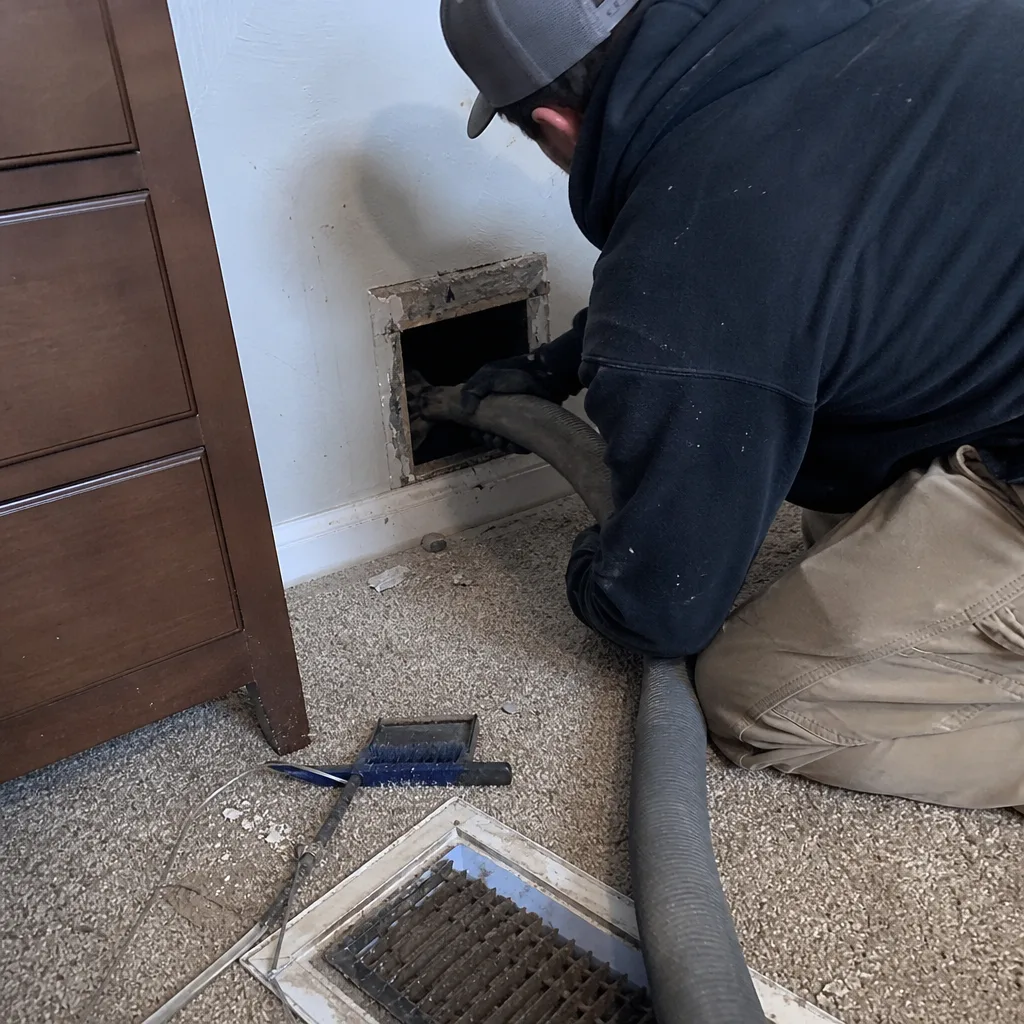 Before
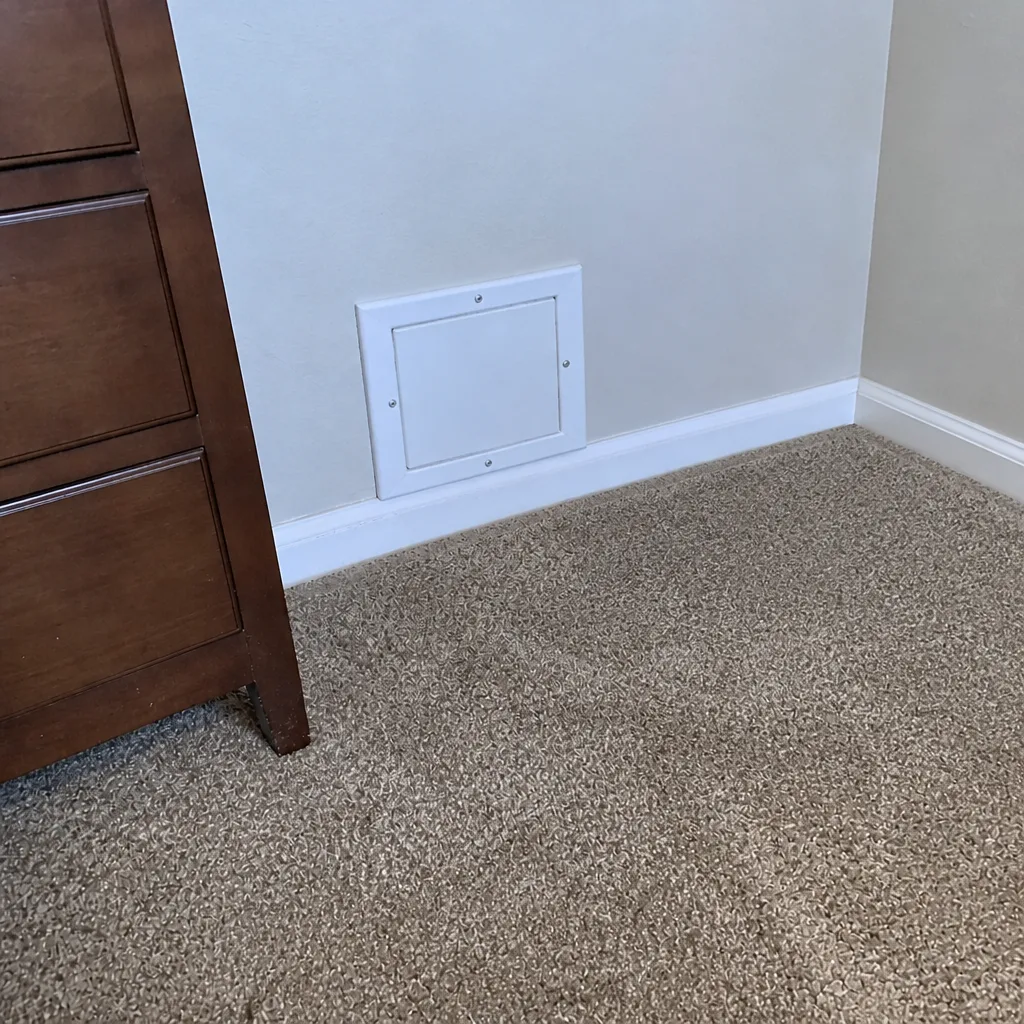 After
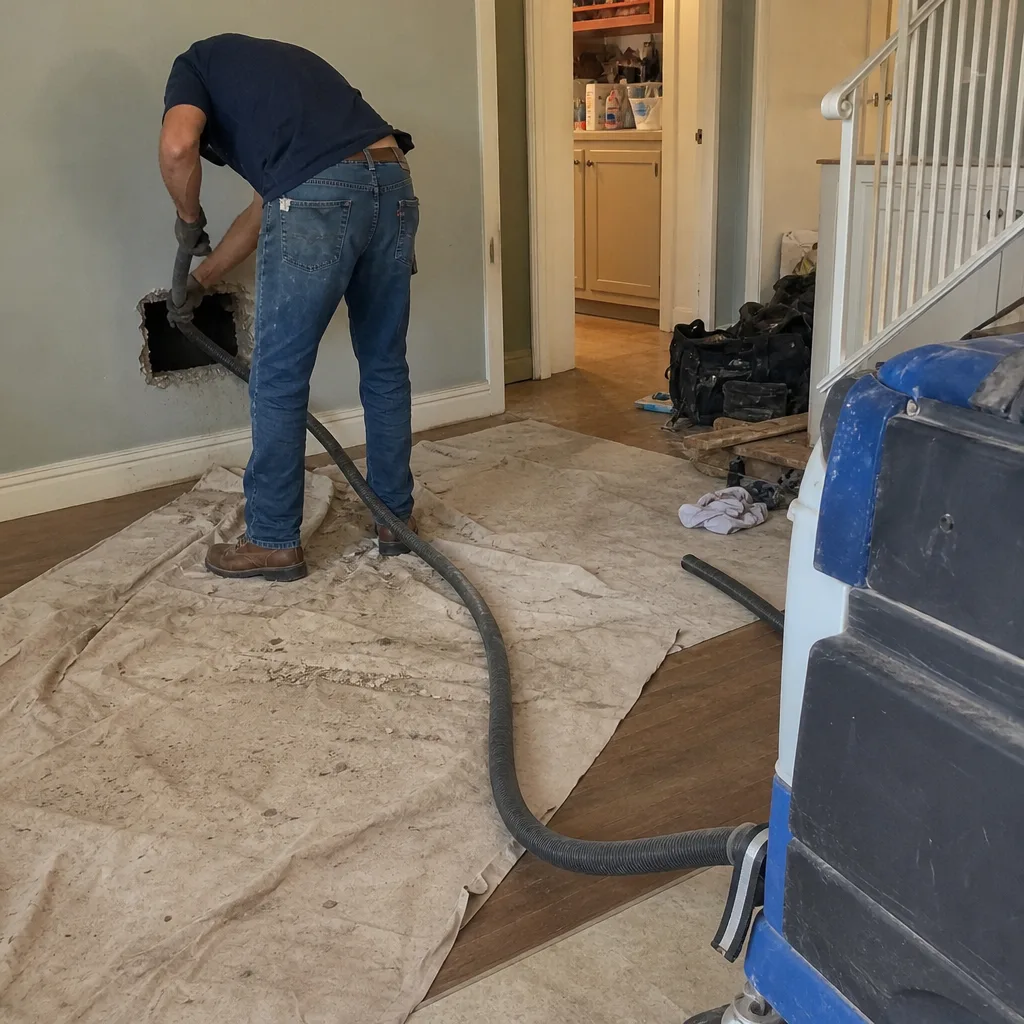 Before
 After
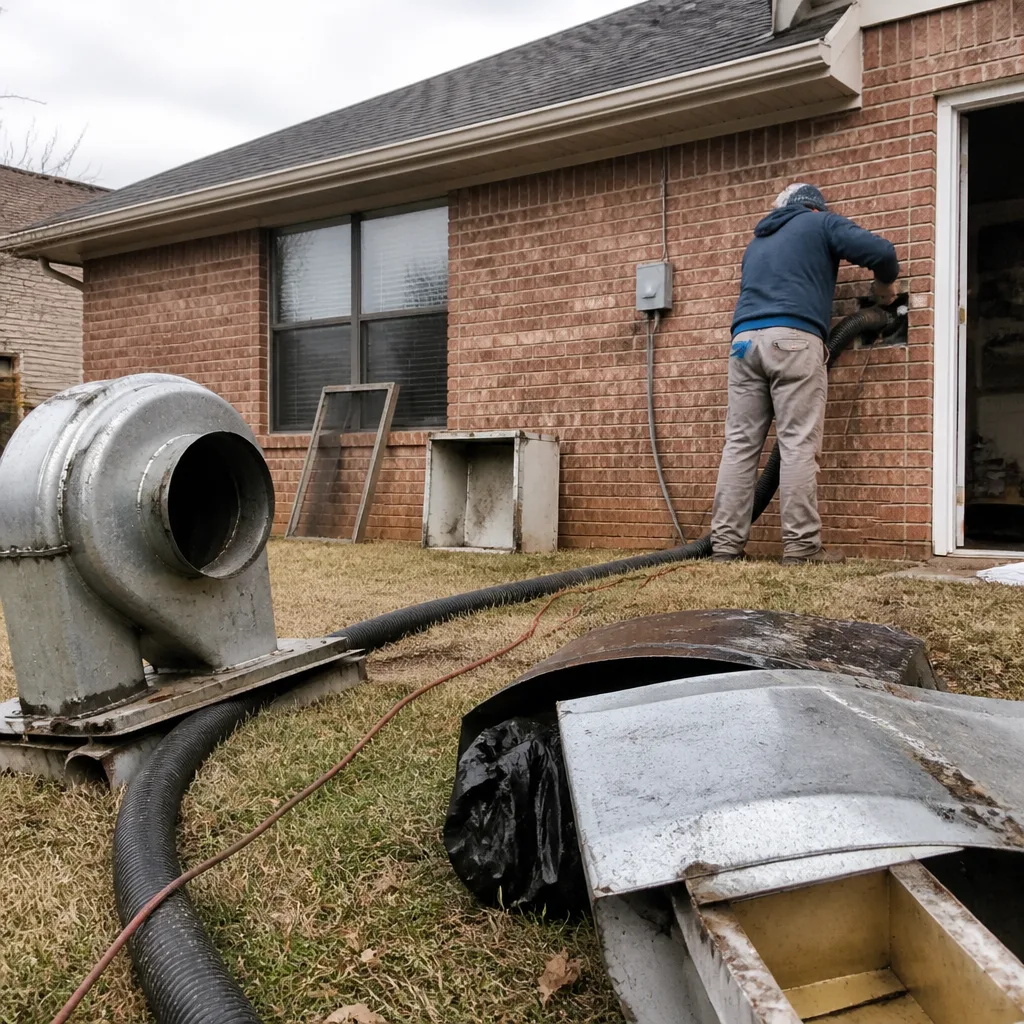 Before
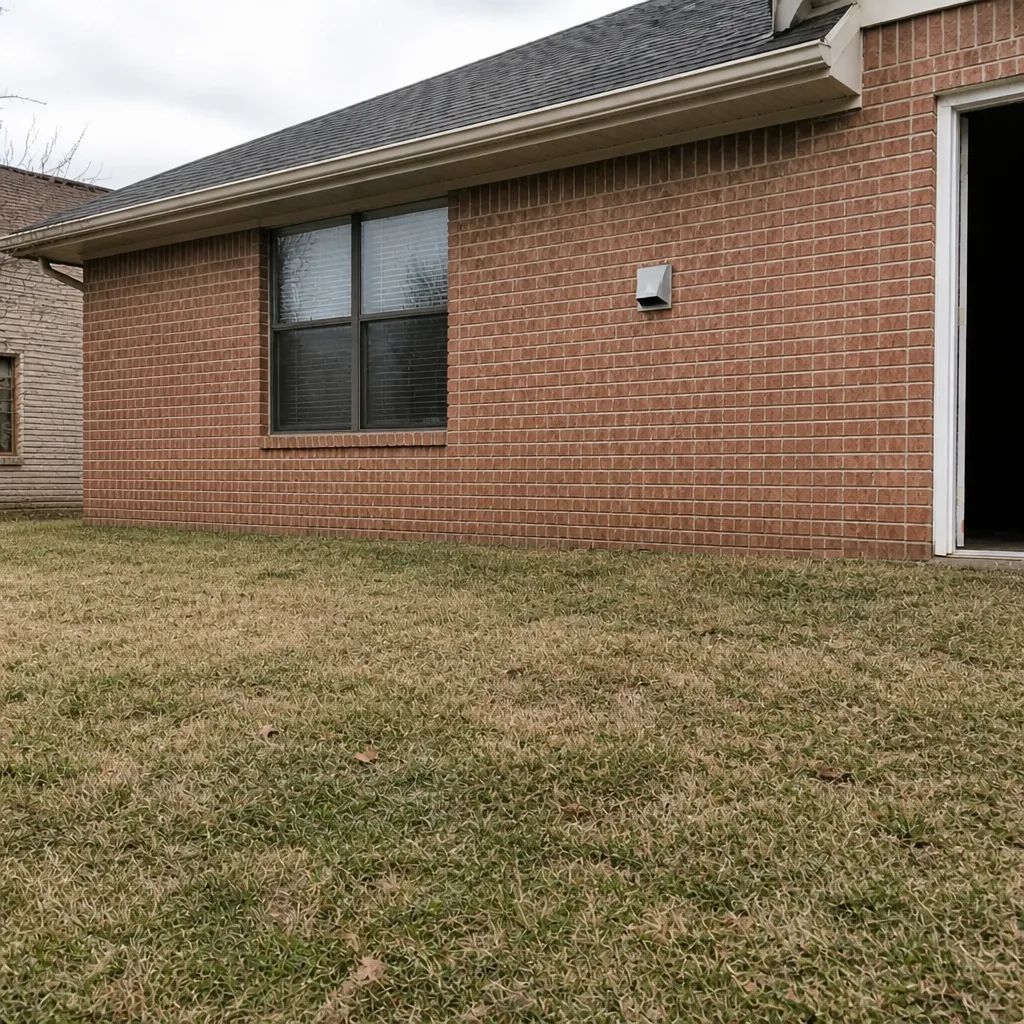 After
When to Call a Professional
Call a professional when you notice a persistent musty odor from your vents, visible dust buildup on the registers shortly after cleaning, or allergy symptoms that get worse when the HVAC runs. Call after a major renovation, because construction dust settles deep into the system and a whole-house cleaning is the remedy. Call when you’ve just bought a home in Oklahoma City and don’t know when the ducts were last cleaned. Call when a condensing unit or air handler has visible debris, or when your dryer takes longer and longer to dry a load. Call before any duct repair if you’ve spotted a leak, a disconnected run or crushed flex duct. Shoreline Duct Cleaning offers free estimates in Oklahoma City. Call (855) 360-8688. We answer 24/7. Fast dispatch from 7am to 7pm, Sunday through Friday.
Frequently Asked Questions
Typical air duct cleaning in Oklahoma City depends on the size and layout of the system, the number of returns, and whether any repair is needed. We price per job, not per vent, so the written estimate you receive sets the final price. Call (855) 360-8688 for an exact quote. Estimates are free.
No. Oklahoma doesn’t require a specific license or certification for duct cleaning, which means the trade sits outside any state qualification check. That’s why the equipment, insurance and association questions in this guide do the work a licensing board would in other trades.
Cheap quotes usually buy a smaller job: weaker vacuum, no mechanical agitation, supply ducts only, no air handler. A teaser price also has a way of growing once a technician is inside, which is why you want a whole-system price set before work starts. Ask what’s included. If the answer is vague, the quote is a door-opener, not an estimate. Call (855) 360-8688 for a quote you can compare line by line.
Ask for before-and-after photos of your own system, taken during the job. Any contractor with a professional setup can produce them, and the photos let you confirm the ducts and air handler were actually cleaned. If the answer is a verbal assurance with nothing to back it up, that’s a signal to ask more questions before you hire.
Most homes in Oklahoma City benefit from duct cleaning every few years, and more often if there’s a recent renovation, pets, or a member of the household with respiratory concerns. A pre-job walkthrough is the best way to see what your own system needs. If the filter and registers are staying clean and there’s no odor, there’s usually less urgency. Call (855) 360-8688 and we’ll talk through your system.
Some can, and it’s worth asking before you schedule, because leaks and disconnected runs are common findings during a cleaning. If the contractor can’t repair on the spot, you’ll need a second appointment with someone else, which is why it’s worth choosing a company that does both. Shoreline Duct Cleaning handles air duct cleaning and duct repair together. Call (855) 360-8688 for a free estimate.
The Bottom Line
The market for duct cleaning in Oklahoma City puts the vetting burden on you, because the state doesn’t license the trade. The protection you have comes from your own questions: proof of insurance, a stated equipment setup with a HEPA vacuum and mechanical agitation, association membership, a pre-job walkthrough, and a written estimate that sets one price per system before work starts. Add before-and-after photos and a contractor who can repair what they find, and you’ve covered what no licensing board would have. Keep dryer vent cleaning on the same schedule, because that fire-safety service matters as much as the ducts themselves. For a free estimate on Oklahoma City duct work, call (855) 360-8688. We answer 24/7. Fast dispatch from 7am to 7pm, Sunday through Friday.
Written by the team at Shoreline Duct Cleaning.