
Last updated November 15, 2026
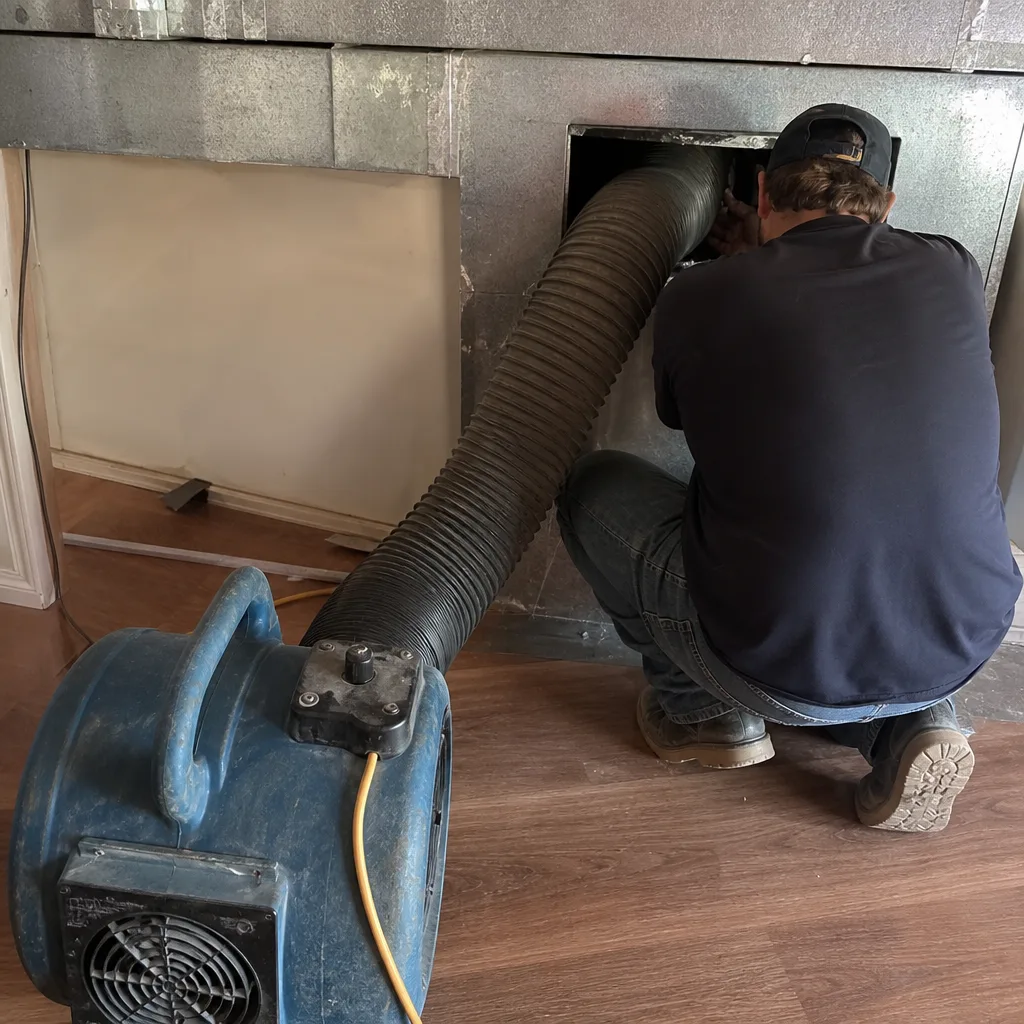
 Whole-home duct cleaning
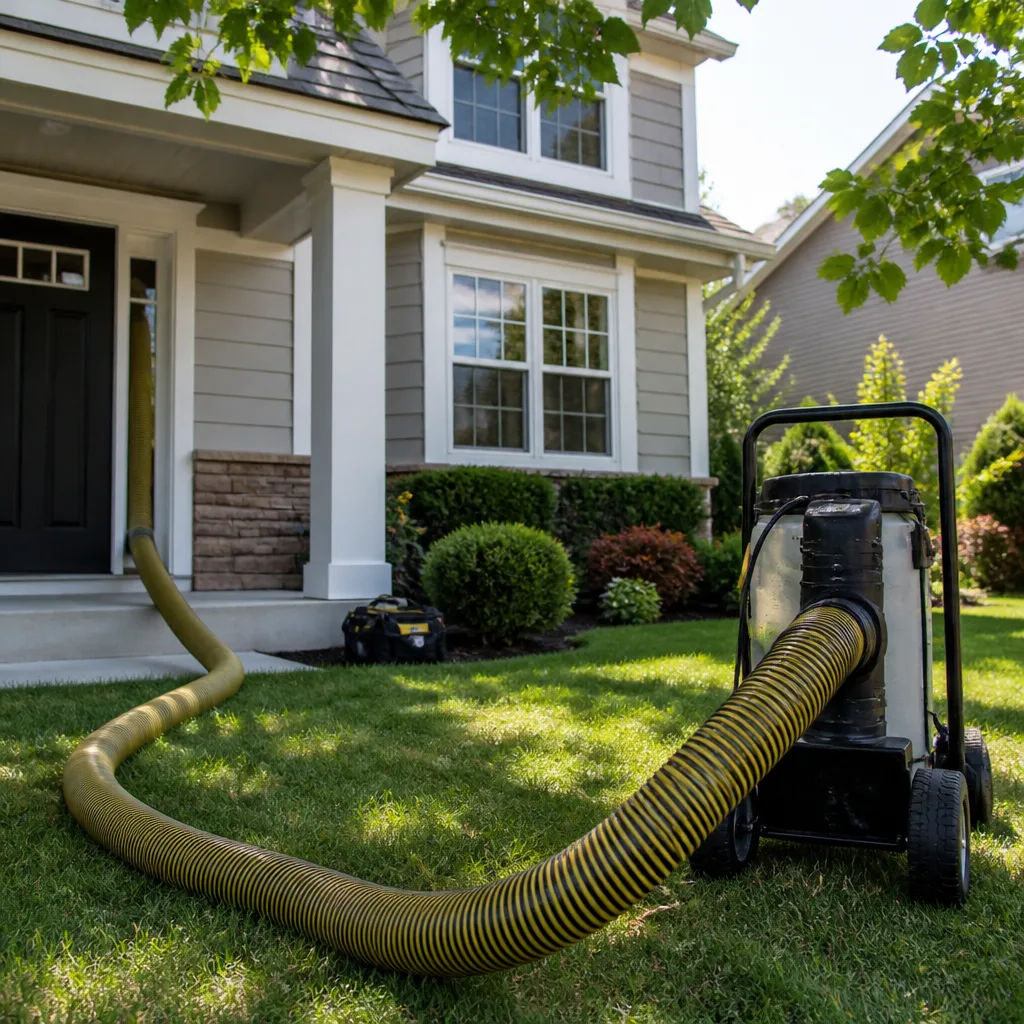
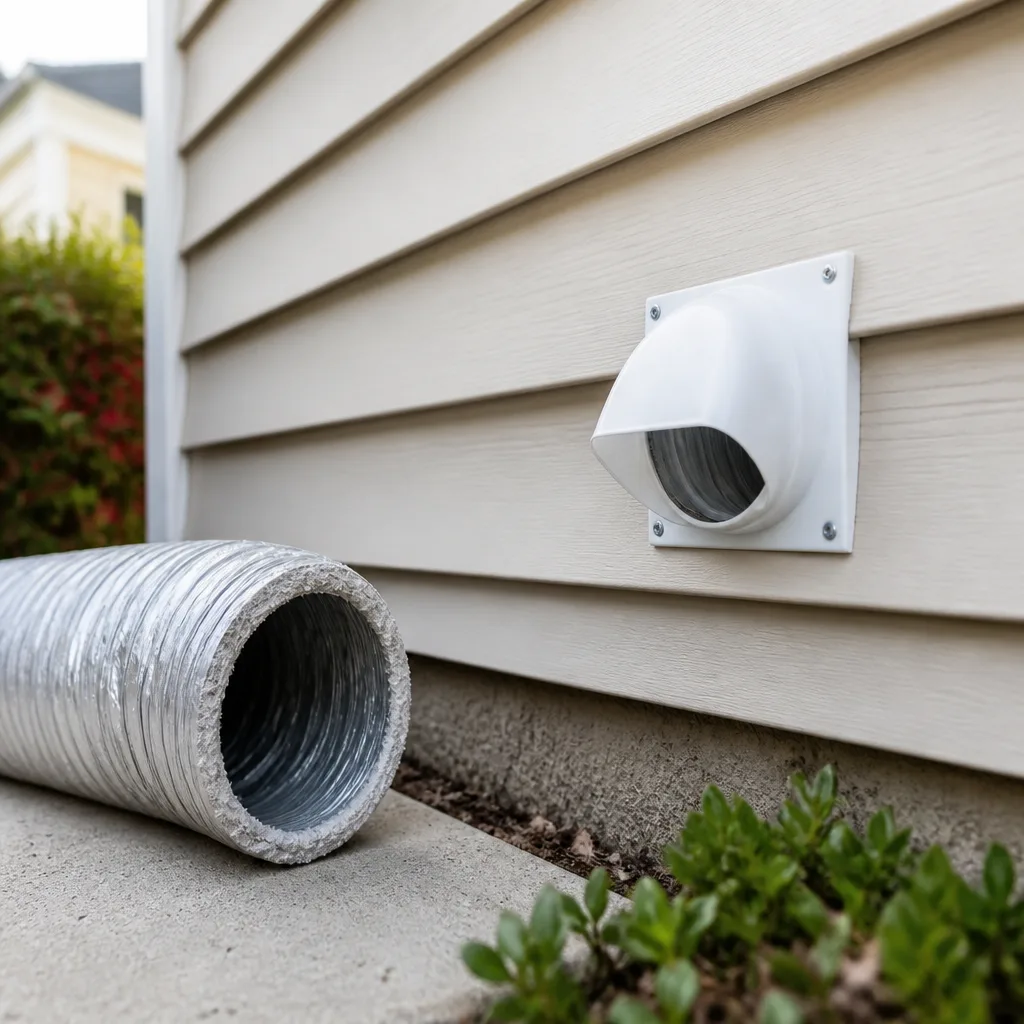 Dryer vent cleaning
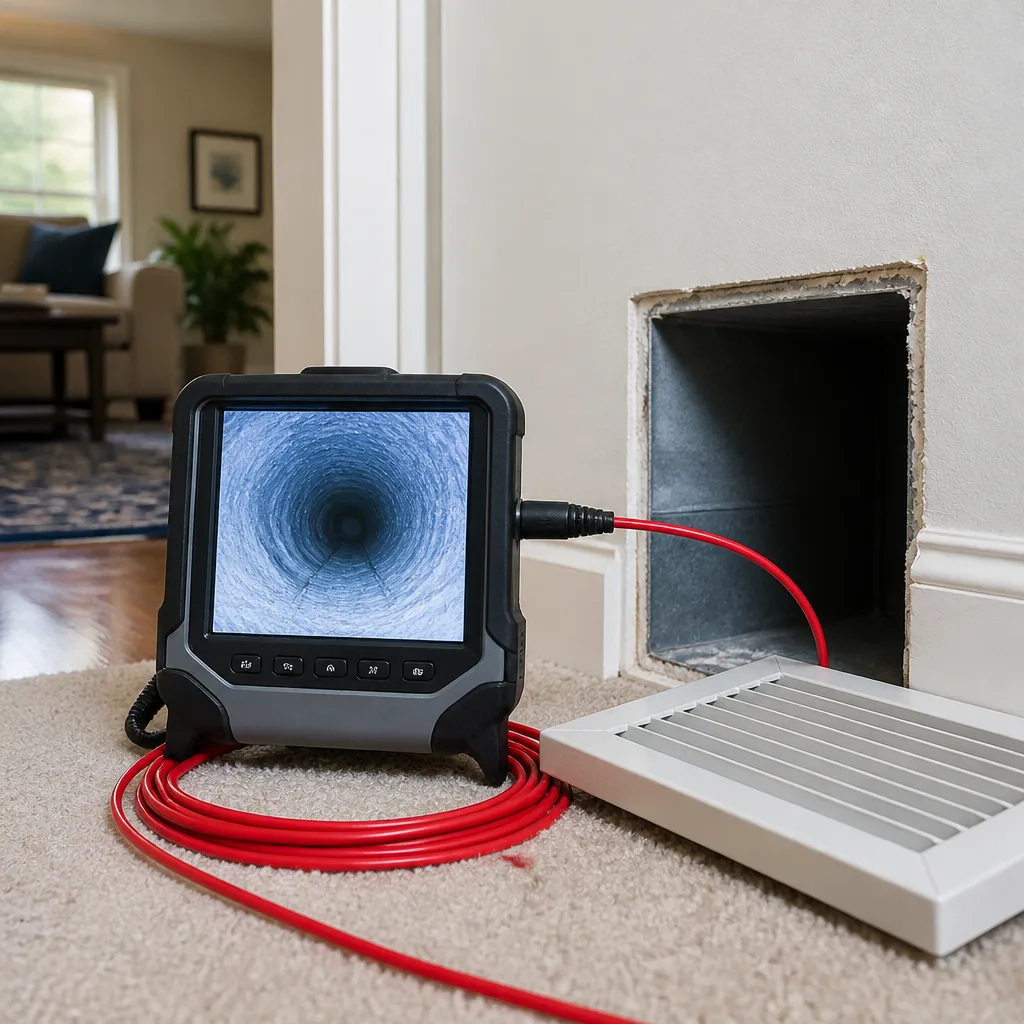 Camera inspection
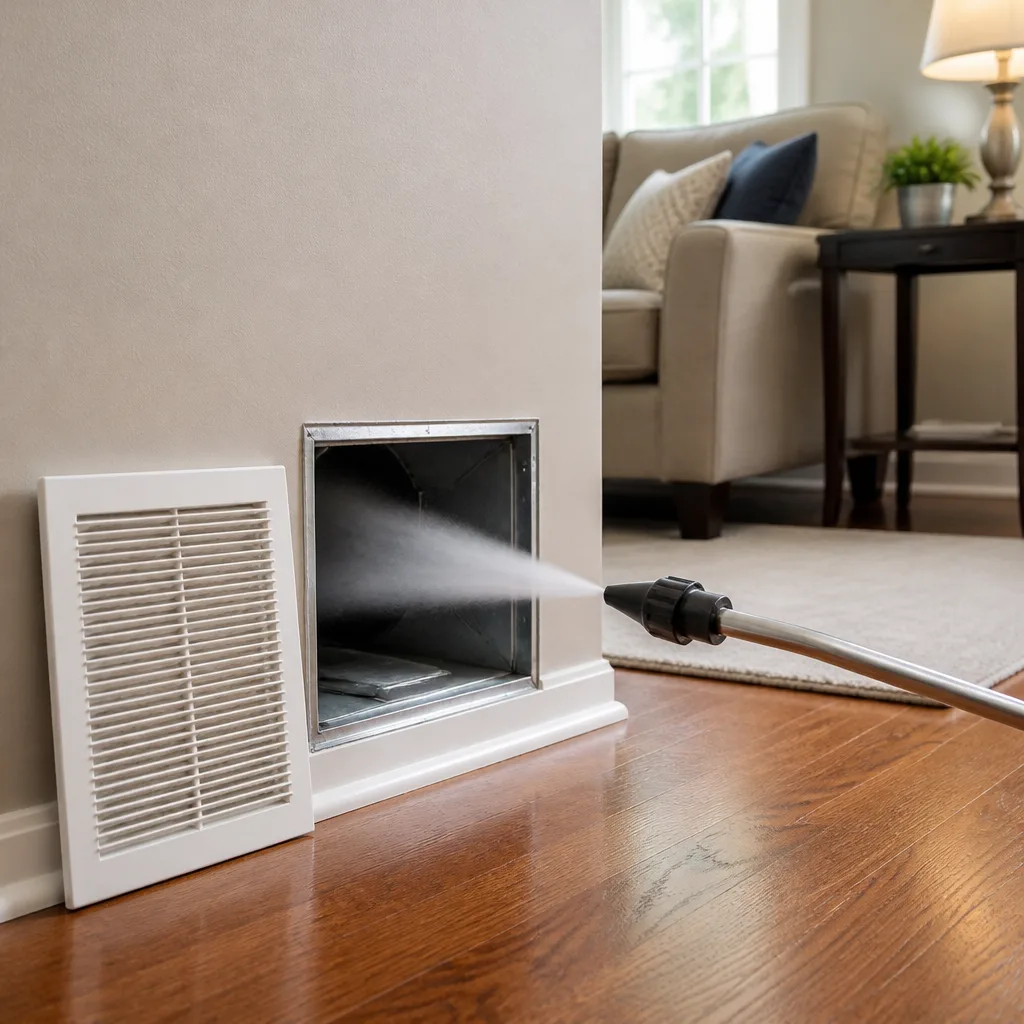 Sanitizing & deodorizing
Whole-system duct and dryer vent check with before-and-after photos - you see exactly what came out of your vents
That "$99 whole-house special" is a bait ad - the real number appears once they are in your hallway, or the "clean" is a shop-vac at the register. We photograph the inside of your ducts before and after instead.
Seasonal Air Duct Cleaning Care for Oklahoma City: Year-Round Homeowner’s Guide
Most homeowners think about duct cleaning once, maybe twice, and usually on a hunch. The truth is simpler and more useful: your ductwork is a seasonal system, and it collects different things in January than it does in July. Oklahoma City sits where Gulf moisture, dry western air, and spring storm systems all collide, which means your HVAC system runs through a wider range of conditions in a single year than it would in most of the country. That range changes what builds up in your ducts and when it’s most likely to end up back in your lungs. This guide walks through what each season does to your ductwork in Oklahoma City, how to time a two-year cleaning rotation around the real risk calendar, and how to know when a job needs more than a vacuum.
Quick Answer
Air ducts in Oklahoma City need a cleaning rotation timed to the seasons, not a set-it-and-forget-it schedule. The two highest-priority windows are late winter, before you switch from heat to cooling, and late fall, after the last stretch of open-window weather. A practical rotation is a full cleaning every two years with a system check each season, and an extra cleaning after any renovation, roof replacement, or wildfire smoke event.
Styles & brands we work with
- Whole-home duct cleaning
- Dryer vent cleaning
- Camera inspection
- Sanitizing & deodorizing
Table of Contents
- Why Oklahoma City Ductwork Ages Differently by Season
- Winter: Combustion Byproducts and Stagnant Air
- Spring: The Highest-Risk Redistribution Event of the Year
- Summer: Humidity, Condensation, and Flex Duct
- Fall: Wildfire Smoke and Harvest Dust
- Building a Two-Year Cleaning Rotation Around OKC’s Risk Calendar
- Signs Your Ducts Need Cleaning Before the Next Season
- What a Seasonal Cleaning Actually Involves
- Common Mistakes to Avoid
- When to Call a Professional
- Frequently Asked Questions
Why Oklahoma City Ductwork Ages Differently by Season
Ductwork accumulates what the air carries. That sounds obvious, but the practical consequence is that the contaminant profile inside your ducts changes as the calendar turns. In a lot of climates, the variation is small enough that a generic cleaning interval works fine. Oklahoma City is a harder case. The metro area swings from single-digit mornings to triple-digit afternoons in the same year, sits in the heart of tornado alley, and gets enough Gulf moisture in July to fog the windows on the inside. Each of those conditions leaves something different in the ducts.
Here’s the shape of it in practice:
- Heating season pulls combustion byproducts and fine soot into the return side of the system, especially from gas furnaces with an older heat exchanger or a homeowner-installed filter that doesn’t seal.
- First cooling week redistributes whatever settled in the ducts and trunk lines during the months the system cooled nothing.
- Mid-summer humidity creates condensation potential in undersized or poorly insulated flex runs, which in turn encourages biological growth in the darkest, coolest sections of the system.
- Fall wind events and the tail end of wildfire smoke season push particulate through open windows and past leaky return chases in a single overnight event.
That’s why a one-size cleaning schedule misses the point. Timing matters because the ductwork is fed by whatever the season happens to be carrying, and in Oklahoma City the feed changes four times a year.
Winter: Combustion Byproducts and Stagnant Air
Winter is the season when most homeowners run their system hardest with the windows closed and think about it least. During heating months in Oklahoma City, the house is often shut up for weeks on end. The furnace cycles through long run times, and the return system pulls air from every room in the house. That air carries fine soot, cooking oils, pet dander, and, in homes with an older heat exchanger, combustion byproducts that leak into the supply side instead of venting up the flue.
The ductwork itself sees two things. First, the return trunks and plenum become the collection point for the heaviest particulate because they handle the largest volume of air and move the least of it at high velocity. Second, the sections of duct that run through unconditioned space – attic runs, garage penetrations, and the insulated flex branches feeding bedrooms off the trunk – sit stagnant for hours between cycles. Cool, still, dark duct is where biological growth takes hold easiest, especially if any moisture ever made its way in during the previous cooling season.
What to check before heating season starts
- Inspect the filter and make sure it seats fully in the frame – a filter that leaks at the edges lets unfiltered air into the blower and past it into the supply side.
- Look for visible dust around the return regs and any hint of soot on the grille face. Soot is a sign you shouldn’t run the system until a technician looks at the furnace.
- Smell the supply air in a room that hasn’t been used much. A musty note is worth chasing before you spend the winter breathing through it.
- Check attic flex runs for kinks, tears, or disconnected sections. Winter is the best time to spot them because the temperature difference makes leaks obvious at the joints.
If any of those checks turns up soot, combustion smell, or a heat-exchanger concern, stop here and call a licensed HVAC professional before doing anything else. Combustion gas is a safety issue, not a cleaning issue, and it belongs in the hands of a trained technician. Duct cleaning comes after the safety question is settled.
Spring: The Highest-Risk Redistribution Event of the Year
The first cooling cycle of the year is the single highest-risk redistribution event on the duct calendar in Oklahoma City. The reason is mechanical, not mysterious. Your system sat through winter running warm air through the supply and pulling return air through the same trunks. All of that winter particulate settled to the bottom of the ducts during the long off-cycles. Then, in the first week of hot weather, the AC kicks on, the blower comes up to speed, and the airflow inside the system changes speed and direction enough to lift a good portion of that settled material back into the airstream that feeds every room in the house. It’s the equivalent of shaking out a rug you’ve been walking on for six months.
That week usually lands in April or May in central Oklahoma. Some years it’s late March. Either way, the practical windows are tight and worth planning for:
- Two to three weeks before you expect to run the AC is the ideal window to schedule air duct cleaning. That gets the settled winter load out before the first cooling cycle lifts it.
- Same week as the first warm stretch still works, but you’ll notice the dust and musty smell in the house for a few days before the work gets done.
- Mid-season is fine for a follow-up check if you’ve had a spring storm push debris into the return side or if a roof or renovation project dusted the house.
Before you switch over, do these five things
- Change the filter. This is the cheapest move in the entire rotation and the one most often skipped. A loaded filter pushes the blower harder and lets more fine dust bypass into the coil.
- Walk through the house and note which rooms smell stale or dusty. That’s your shortlist of supply branches to flag for the cleaning tech.
- Vacuum the return grilles and registers with a brush attachment. This is surface work, not a substitute for a duct cleaning, but it keeps the first-weekload from being worse than it has to be.
- Check the condensate drain line and pan if the system has been off for months. Spring is also the season of first-run water issues, and a pan that hasn’t been checked since last September can surprise you.
- Look at the outdoor condenser pad for debris. Cottonwood, grass clippings, and storm trash all find their way onto the coil over winter.
If you can’t get to all of that, prioritize the filter and a professional cleaning before the AC comes on. Those two moves alone prevent most of the spring redistribution problem.
Summer: Humidity, Condensation, and Flex Duct
July and August in Oklahoma City are humid in a way that catches out-of-state homeowners off guard. Gulf moisture pushes north, afternoon storms build up and collapse, and the dew point climbs into the uncomfortable range for weeks at a stretch. For your ductwork, that matters most in the branches that run through unconditioned space and weren’t insulated for it. Cold supply air in a warm, humid attic is a condensation engine: the duct surface drops below the dew point, moisture forms on the outside of the duct, and if the duct jacket is torn or undersized for the run, that moisture finds its way to the inside.
Once the inside of a duct is damp for more than a few days, you have the conditions biological growth needs: food (dust and organic particulate), moisture, and darkness. This is the reason summer is the season when homeowners start noticing musty smells coming out of the supply in specific rooms rather than a general dusty odor. It’s also why we run Shoreline Duct Cleaning jobs in the summer with HEPA-vacuum equipment in-line rather than blowing a shop vac through the system – the negative pressure keeps dislodged matter out of the living space instead of recirculating it.
Summer checklist for flex duct runs
- Look at the visible flex branches in the attic. Any sag, kink, tear, or unhooked section is a moisture trap in waiting.
- Feel the duct jacket on a humid afternoon. If it sweats, the insulation is failing or the duct is undersized for the run length.
- Check the drip pan and drain line every few weeks during the heaviest humidity stretch.
- Ask for a filter upgrade if the system filter is a standard fiberglass throwaway. A pleated filter with the correct MERV rating holds more summer particulate without choking the airflow.
If a summer cleaning turns up damaged or wet flex duct, that’s work for a duct repair service, not just a cleaning. The two jobs overlap in the real world, and closing the leak is what keeps the cleaning from being undone within weeks.
Fall: Wildfire Smoke and Harvest Dust
Fall in Oklahoma City brings a short, welcome stretch of open-window weather. It also brings two contaminants most homeowners don’t connect to their ducts. The first is wildfire smoke. Prevailing winds carry smoke from regional and remote fires into the metro area, sometimes with visible haze and sometimes invisibly, and it enters the house through open windows, bathroom fans, and the fresh-air intake on newer systems. Smoke particulates are fine enough to travel deep into the return system and settle in the trunk lines.
The second is harvest dust. Oklahoma’s agricultural corridor to the west and north of the metro sends a genuine wave of fine dust into the air in late summer and early fall. Put that together with the leaves, cottonwood fluff, and wind-driven debris from fall storm systems, and the last window-open period of the year becomes a concentrated injection of particulate into a system that’s about to be asked to keep the house sealed through another winter.
Fall prep list
- Schedule the cleaning after the last extended open-window stretch, not before. Cleaning in early fall and then opening the windows for another month is wasted work.
- Do a final filter change right before you close the house for the heating season.
- Walk the attic and inspect insulation for smoke residue on the top surface of duct runs. That’s a sign the smoke load has been significant.
- Check the fresh-air intake screen on newer systems and clean off any fall leaf litter or debris.
This is also the season to think about your dryer vent cleaning. Lint accumulates year-round, but the combination of longer fall dry cycles and a house already closed up makes the fire risk more serious. Dryer vent work isn’t a bonus on our schedule; it’s a fire-safety service with the same systematic approach we apply to HVAC ductwork.
Building a Two-Year Cleaning Rotation Around OKC’s Risk Calendar
The generic industry average of every three to five years is a starting point, not a plan. It was developed for a mixed national market and it doesn’t reflect how the seasonal contaminant load actually lands in Oklahoma City. A better approach is a two-year rotation keyed to the seasons, with lighter check-ins in between. Here’s what that looks like in practice:
Year One
- Late winter (February to early March): full system cleaning before the switch from heat to cooling. This is the highest-value cleaning of the rotation.
- Late spring (May): filter check and a quick visual inspection of visible ducts. No full cleaning unless the inspection turns up a problem.
- Late summer (August): check flex runs for moisture and damage. Address any condensate issues.
- Late fall (October to November): filter change and a visual inspection. Note any new dust or musty smells for the next full cleaning.
Year Two
- Early spring (March): if anything was noted in fall, schedule the full cleaning now. If not, push to the next bullet.
- Mid-summer (June to July): full system cleaning after the first heavy cooling period, before humidity peaks in earnest.
- Fall (October): final filter change before the heating season.
Extra cleanings that override the rotation
- Any major renovation, especially drywall, flooring, or cabinet work.
- Any roof replacement or work that disturbed attic insulation.
- A significant wildfire smoke event with visible haze in the metro.
- A new home purchase, regardless of what the seller says about prior cleaning.
- Persistent allergy symptoms or a new respiratory diagnosis in the household.
That’s the rotation. The reason it beats a generic three-to-five-year schedule is that it puts the heaviest cleaning before the highest-risk redistribution event, not at an arbitrary anniversary. Our technicians have up to experience and they see the pattern hold year after year: homes that clean in late winter report fewer spring dust complaints than homes that clean in mid-summer.
Signs Your Ducts Need Cleaning Before the Next Season
You don’t have to wait for the calendar. There are specific signs that a cleaning is due now, regardless of where you are in the rotation. Here’s the shortlist we look for:
- Visible dust on surfaces shortly after you clean them. If you dust a room on Sunday and it’s hazy again by Wednesday, the supply branches are likely feeding it.
- A musty or stale smell from any specific register. A single-room smell usually points to a specific branch with a moisture or biological issue, not a whole-system problem.
- Allergy or asthma symptoms that spike indoors. If indoor symptoms track with running the HVAC system and improve when you’re out of the house, that’s worth investigating.
- Uneven cooling or heating room to room. Sometimes it’s a duct issue, sometimes it’s a balance issue, and cleaning is a good moment to find out which.
- Any renovation that produced dust. Drywall dust is fine enough to travel the full length of the duct system and settle in places a shop vac can’t reach.
- A recent home purchase. You have no idea what the previous owner’s cleaning habits were, and prior cleaning claims in a sale should be verified rather than assumed.
- A recent wildfire smoke event. Fine smoke particulate settles into the return trunks and stays there.
Any two of those signs together is enough to schedule a full air duct cleaning outside the rotation. One sign alone is worth a visual inspection and a filter change.
What a Seasonal Cleaning Actually Involves
A cleaning that’s worth the money looks different from a shop vac and a wand. The equipment matters, and so does the sequence. Here’s the process we run on a standard residential job, and it’s the one you should ask any provider to walk you through before they start:
The process, step by step
- Walk-through and inspection. Every register, return, and accessible trunk is inspected before any equipment is set up. We note the branch runs that look worst and check for disconnected or damaged flex.
- Negative pressure and containment. A HEPA vacuum in-line with the trunk creates negative pressure in the system while the work happens, so dislodged matter goes into the collection unit rather than the living room.
- Rotary brush cleaning on the supply and return runs. We use Rotobrush equipment on the duct interior – mechanical agitation with a rotating brush that scrubs the surfaces rather than blowing compressed air and calling it done.
- HEPA-vacuum extraction. Nikro HEPA-vacuum systems pull the loosened particulate out of the system under controlled airflow. This is the same standard used on commercial and remediation job sites, which is the point.
- Component cleaning. Registers, grilles, and the air handler cabinet are cleaned and reassembled. If the system has a Honeywell or Aprilaire air-quality component, we inspect it and flag anything that needs attention.
- Repair assessment. If we found damaged or disconnected duct during the cleaning, that becomes a same-job repair conversation rather than a second appointment with a separate contractor.
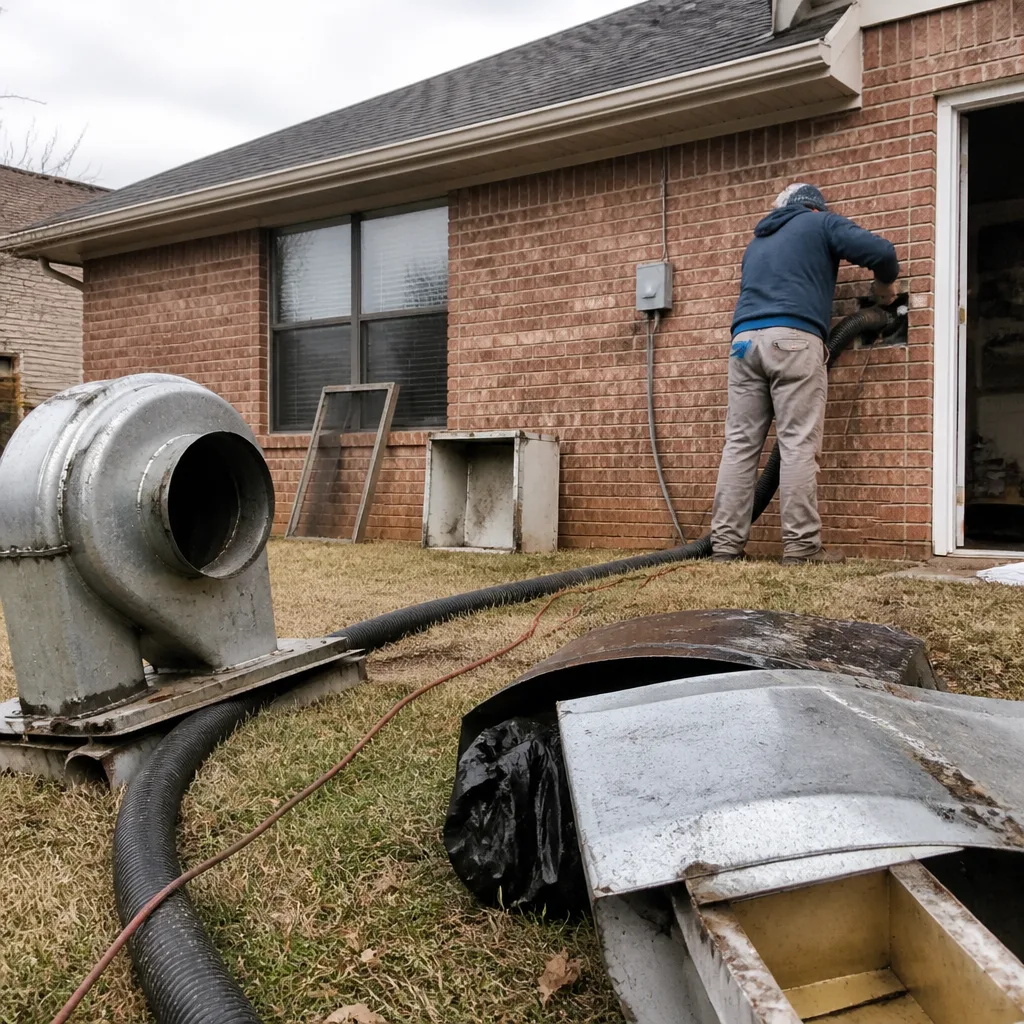
- Before-and-after photos. We photograph the inside of the ducts before and after the work so you can see what changed. No photo, no proof.
Equipment names aren’t name-dropping here. Rotobrush and Nikro are what commercial cleaning and remediation crews use because they produce a result that a shop vac can’t, and Abatement Technologies is the standard for negative-air and HEPA containment on jobs where airborne contamination is the main concern. That standard is what makes the difference between a cleaning and a dust storm in your living room.
Common Mistakes to Avoid
- Cleaning once and forgetting. A single cleaning doesn’t reset the clock for a decade. Oklahoma City’s four distinct seasons put a fresh load in the ducts every year, and the rotation is what keeps the system ahead of it.
- Cleaning in early fall and then opening the windows. Everything from the last window-open stretch gets pulled right back into the return system. Wait until after the final open-window period of the fall.
- Skipping the filter change at the switchover. The single cheapest thing you can do for indoor air in Oklahoma City, and the most skipped. Change it before the first heating run and again before the first cooling run.
- Trusting a compressed-air-only cleaning. A wand and shop vac pushes dust into the airstream. Ask specifically what vacuum standard the provider uses and whether they run negative pressure during the job.
- Ignoring a single-room musty smell. One smelly register is usually one damp or disconnected flex branch. Cleaning the rest of the system is a waste if that branch isn’t addressed.
- Assuming a home inspection covers duct condition. Standard inspections almost never look inside the duct system beyond the visible register. If you’ve just bought a home in Oklahoma City, get the ducts inspected as a separate line item.
- Treating dryer vent cleaning as an afterthought. Lint buildup in a dryer vent is a fire safety issue, not a performance upgrade. It deserves its own schedule.
When to Call a Professional
Some duct issues are worth a call now rather than at the next scheduled cleaning. If you smell combustion byproducts or see soot around a register, stop and call a licensed HVAC technician first – that’s a furnace safety issue, not a cleaning issue. If you’ve just finished a renovation or a roof project, or bought a home and don’t know the cleaning history, book an inspection. If a single room smells musty or runs warm and cold at the wrong times, that’s a damaged or disconnected branch worth checking. And if you’re simply overdue by the calendar, put a full cleaning on the schedule before the next switchover. Shoreline Duct Cleaning offers free estimates in Oklahoma City – call (855) 360-8688. We answer 24/7, and fast dispatch runs from 7am to 7pm, Sunday through Friday. Our technicians have up to experience, and the price is set per job by a written estimate agreed before any work starts.
Frequently Asked Questions
A full cleaning every two years is the right rotation for most Oklahoma City homes, with a filter change and visual check each season in between. That’s tighter than the generic three-to-five-year average because the four-season swing here puts a heavier and more varied load in the ducts than a temperate climate does. Homes with pets, allergies, or recent renovations should consider every 18 months. Call (855) 360-8688 for an exact quote – estimates are free.
Yes, but the timing matters as much as the cleaning itself. The best window is two to three weeks before the first AC cycle of the year, so the settled winter load is gone before the system lifts it into the living space. Cleaning in February or March is more effective for spring allergies than cleaning in June. Call (855) 360-8688 to schedule the pre-spring cleaning.
Typical full-system cleaning for a standard Oklahoma City home runs in the low-to-mid hundreds of dollars, priced per system rather than per vent, with the written estimate setting the final number. The range depends on system size, number of trunks, and whether any repair is needed. We don’t quote a teaser price over the phone that grows once the technician is on site. Call (855) 360-8688 for a free on-site estimate.
Cheap quotes are usually cheap for one of three reasons: no HEPA vacuum, no negative pressure containment during the job, or a base price that grows substantially once the technician is in the driveway. A cleaning without professional vacuum equipment can push dust into the living space instead of removing it. Ask what equipment the provider uses before you accept a quote. Call (855) 360-8688 to talk through our equipment and process.
Ask for before-and-after photos of the inside of the ducts. A provider who can’t show you photos of your ducts before and after the work hasn’t given you proof of anything. We photograph every job and walk the homeowner through the images at the end. Call (855) 360-8688 to schedule.
They’re separate systems, but both need attention and both fall under the same seasonal rotation. Dryer vent cleaning is a fire safety service – lint buildup is one of the more common causes of residential fires – and it should be on the same two-year cadence as the duct cleaning. Call (855) 360-8688 to book both.
The Bottom Line
Oklahoma City’s seasons don’t just change the temperature – they change what’s in your ductwork. Winter fills the return trunks with combustion byproducts and settled fine particulate. Spring pushes that load back into the living space on the first cooling cycle. Summer humidity and fall smoke each add their own contaminant. A two-year rotation timed to those seasons beats a generic three-to-five-year schedule every time. Clean before the spring switchover, address any moisture issues in summer, and schedule the fall cleaning after the last open-window stretch. Use a provider whose equipment can handle the job and who will show you before-and-after photos of your own ducts. If a cleaning turns up damaged duct, fix it as part of the same job rather than bringing in a second contractor.
Call (855) 360-8688 for a free estimate. We answer 24/7. Fast dispatch from 7am to 7pm, Sunday through Friday.
Written by the team at Shoreline Duct Cleaning.
See the difference
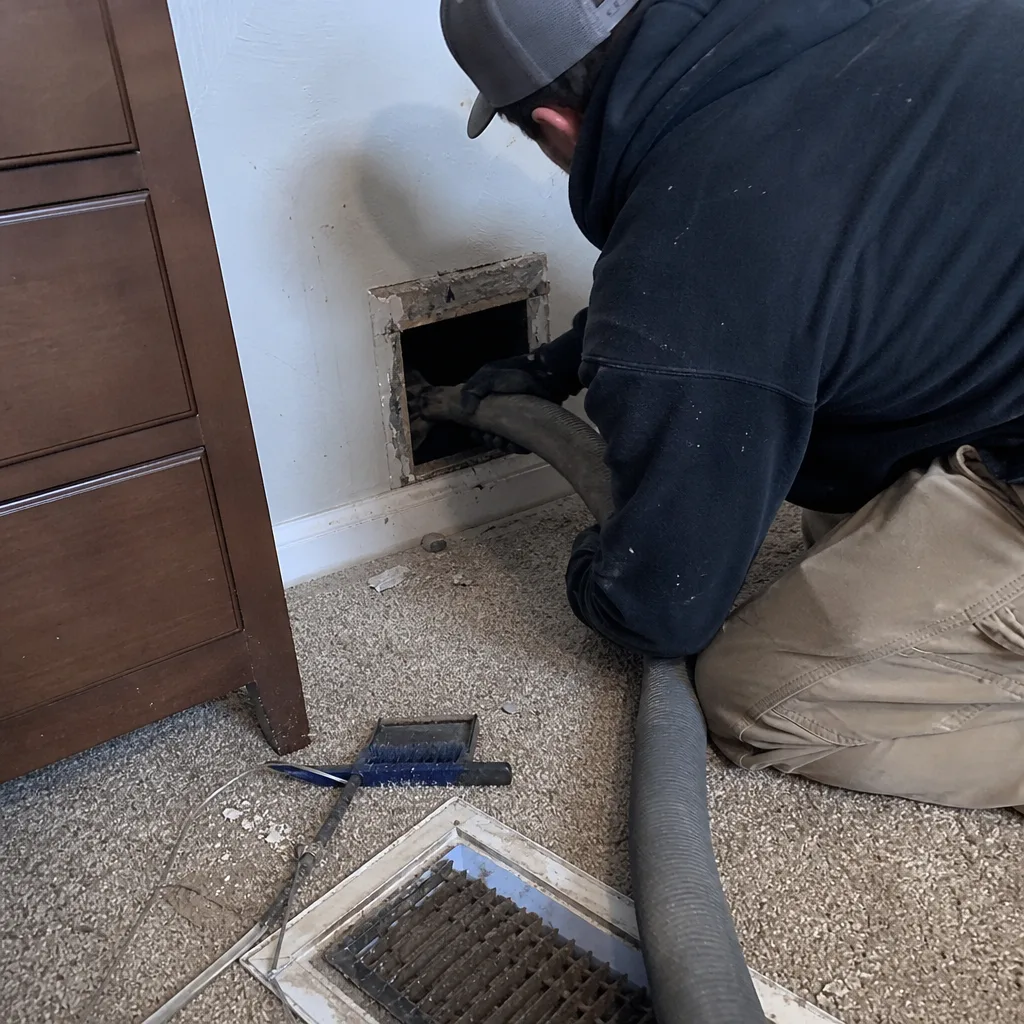 Before
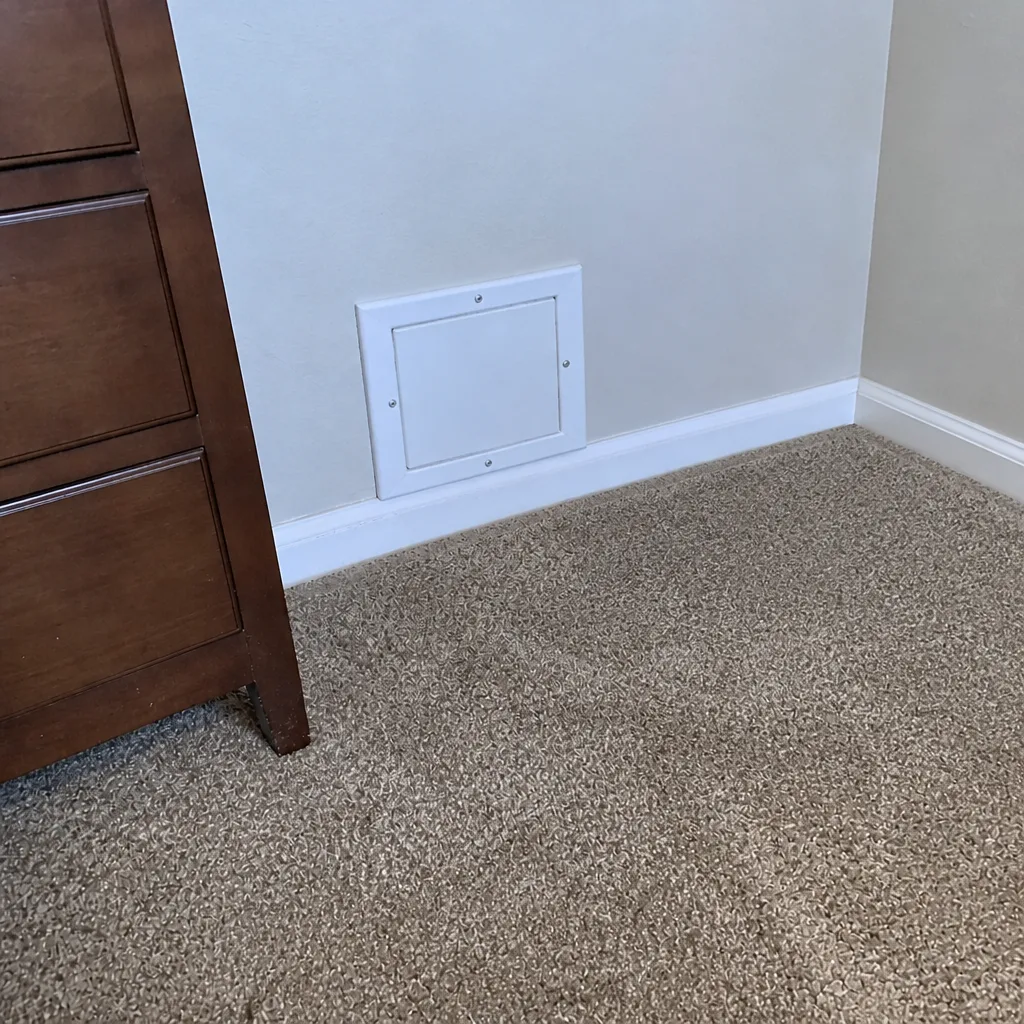 After
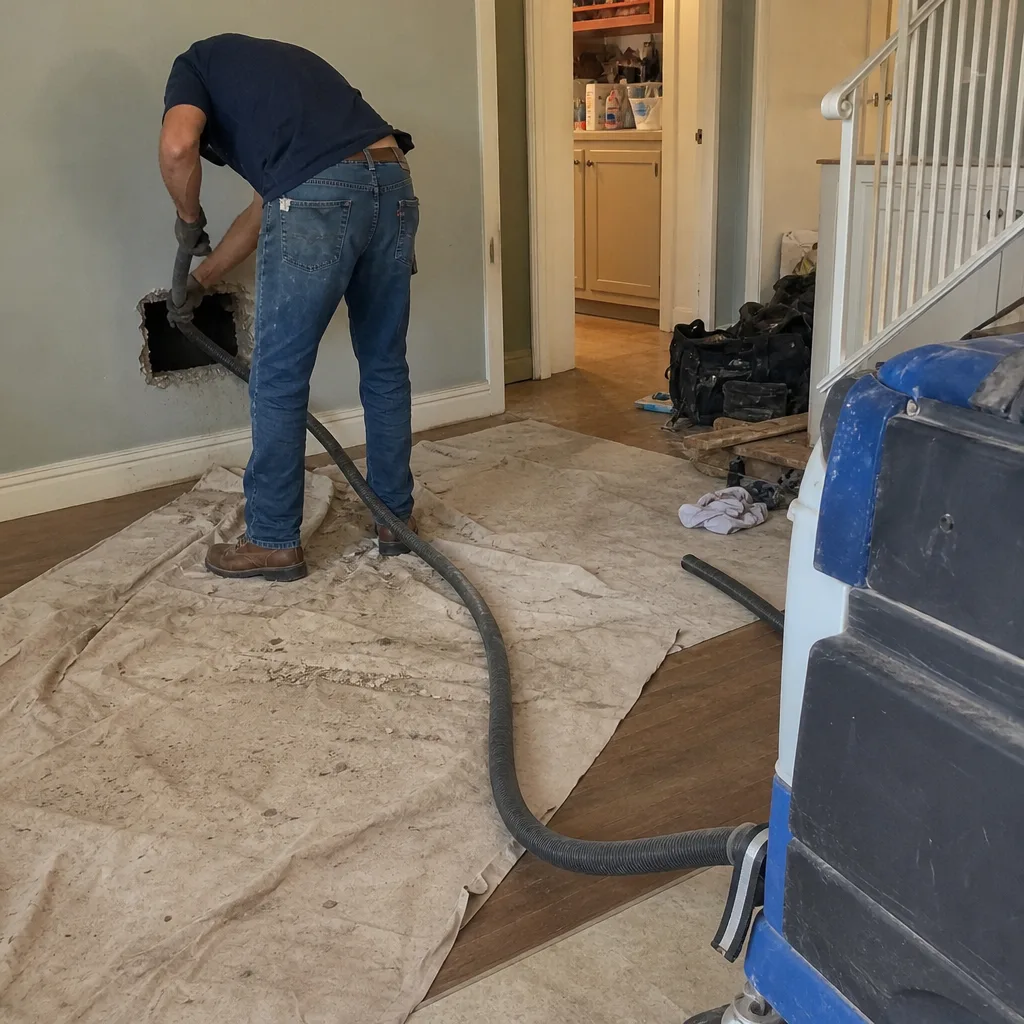 Before
 After
 Before
 After