
Last updated November 15, 2026
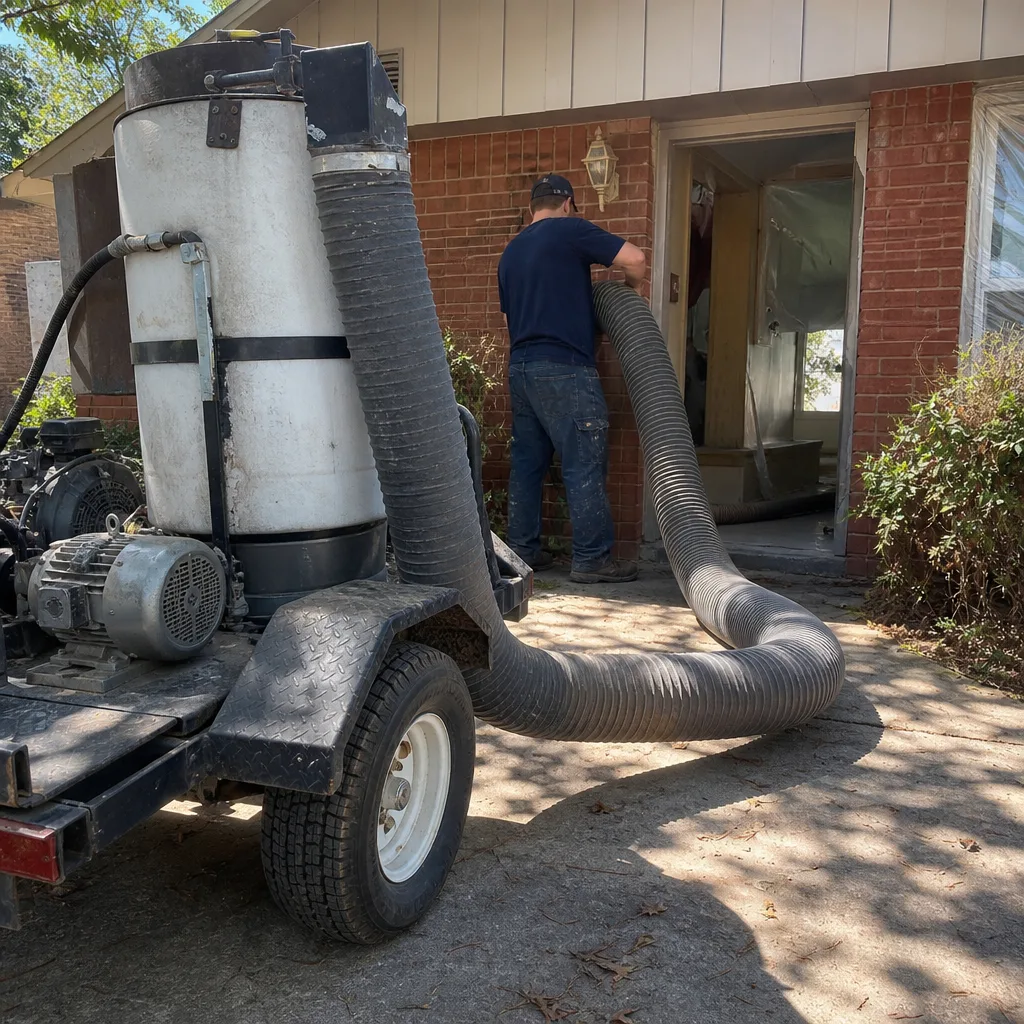
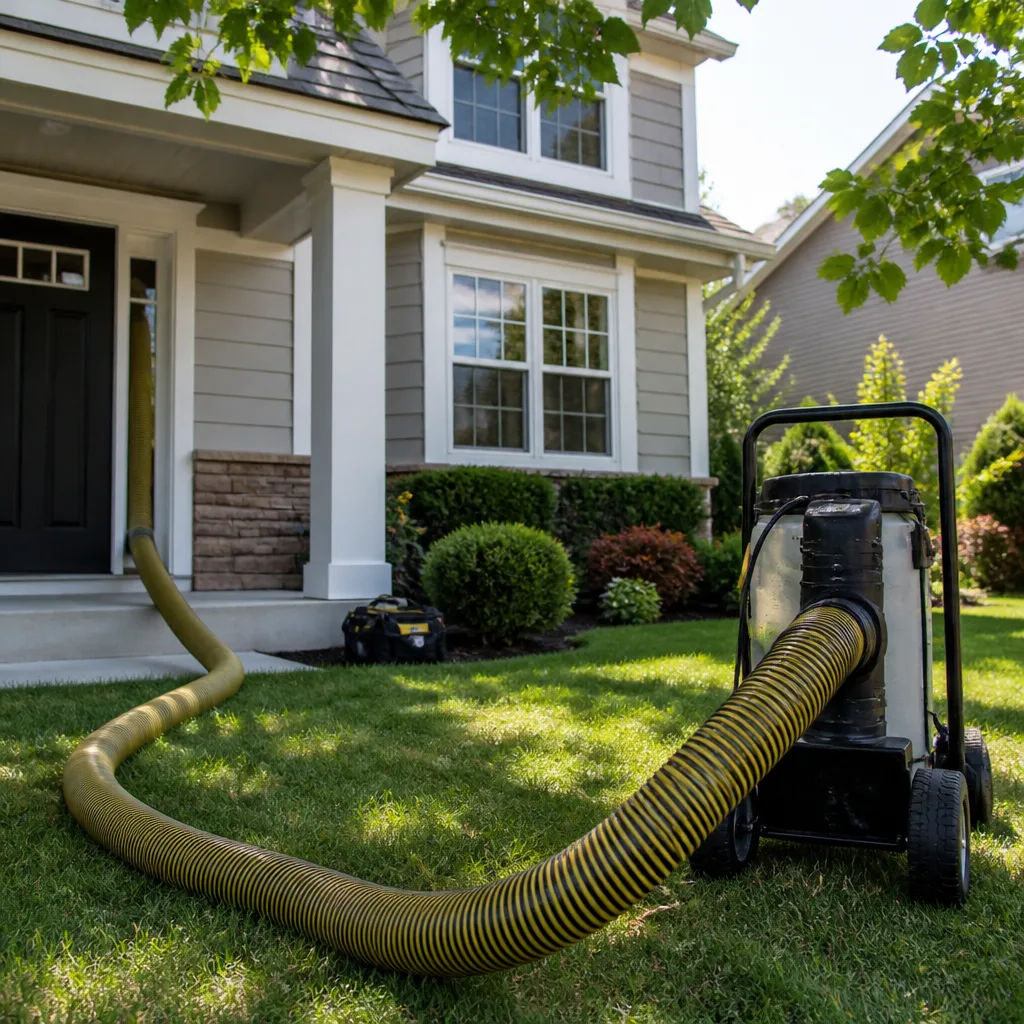 Whole-home duct cleaning
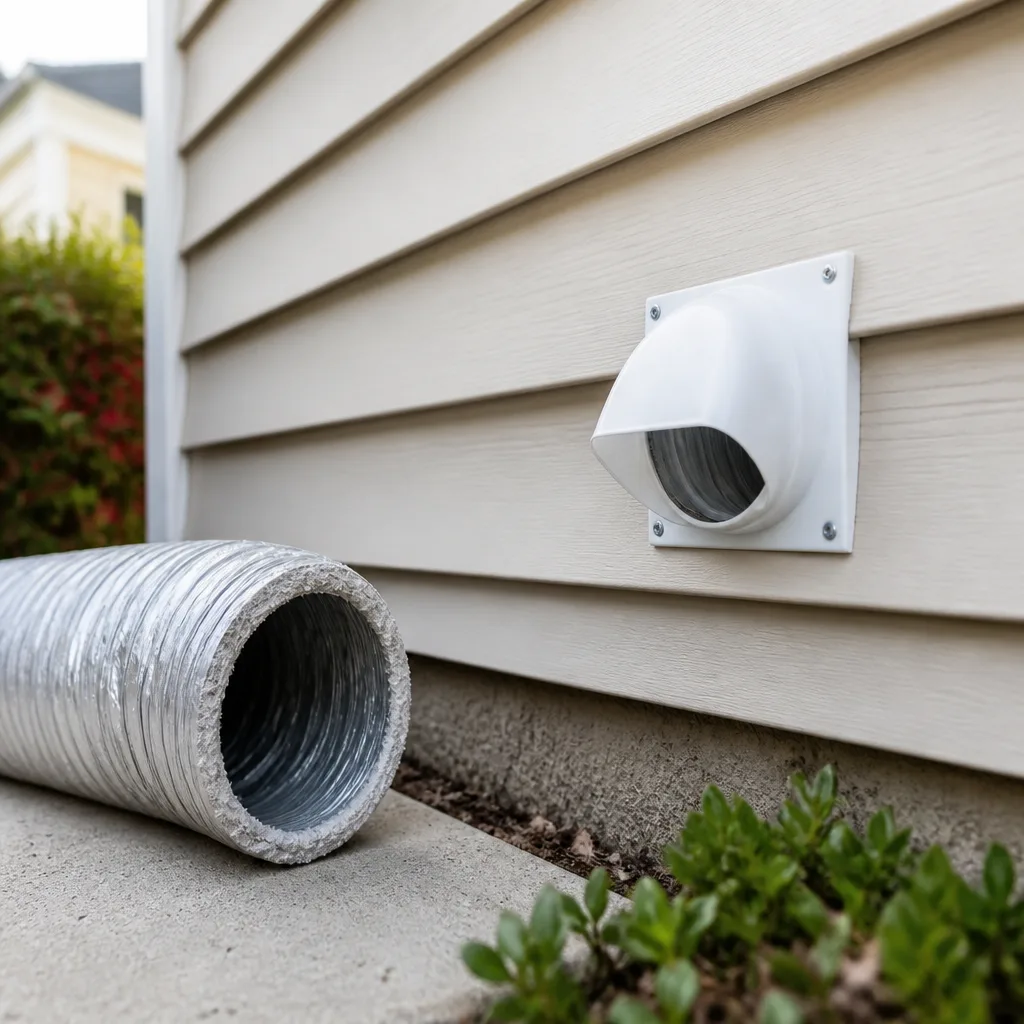 Dryer vent cleaning
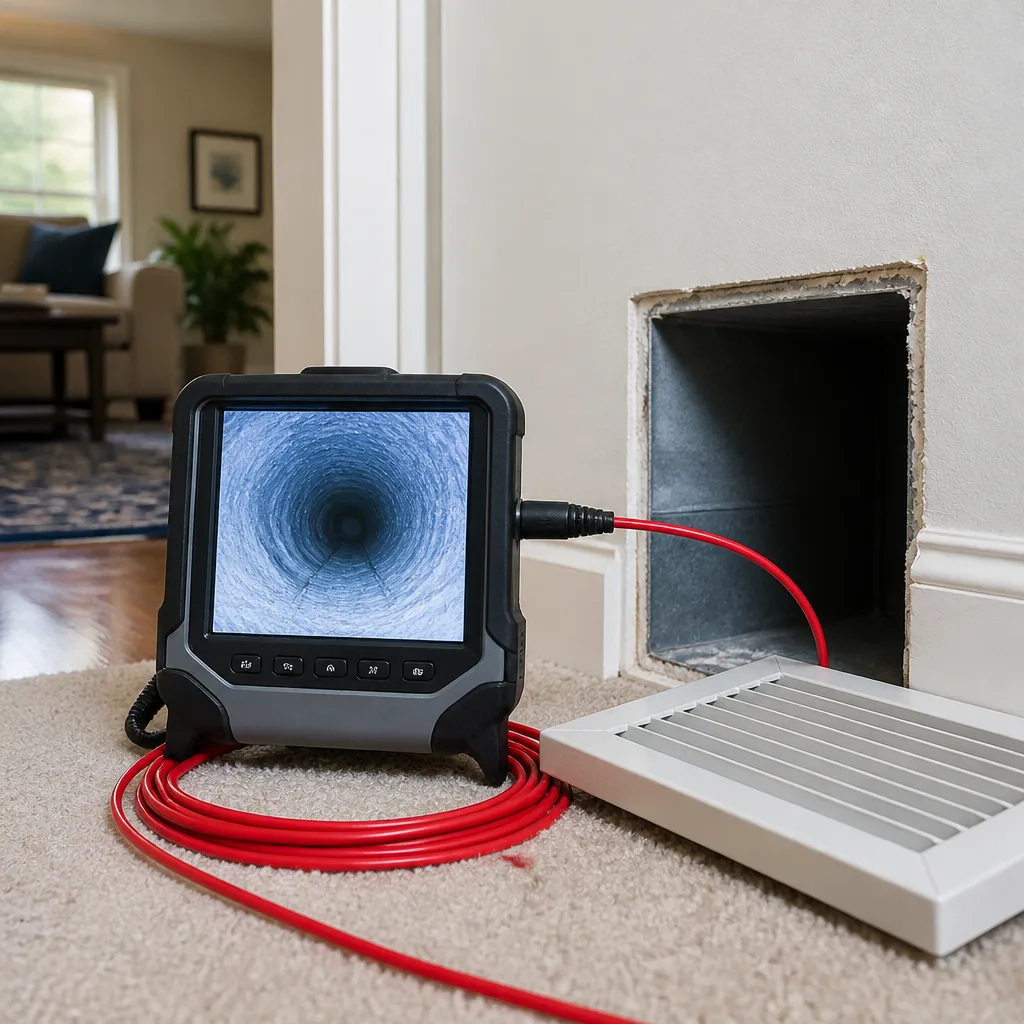 Camera inspection
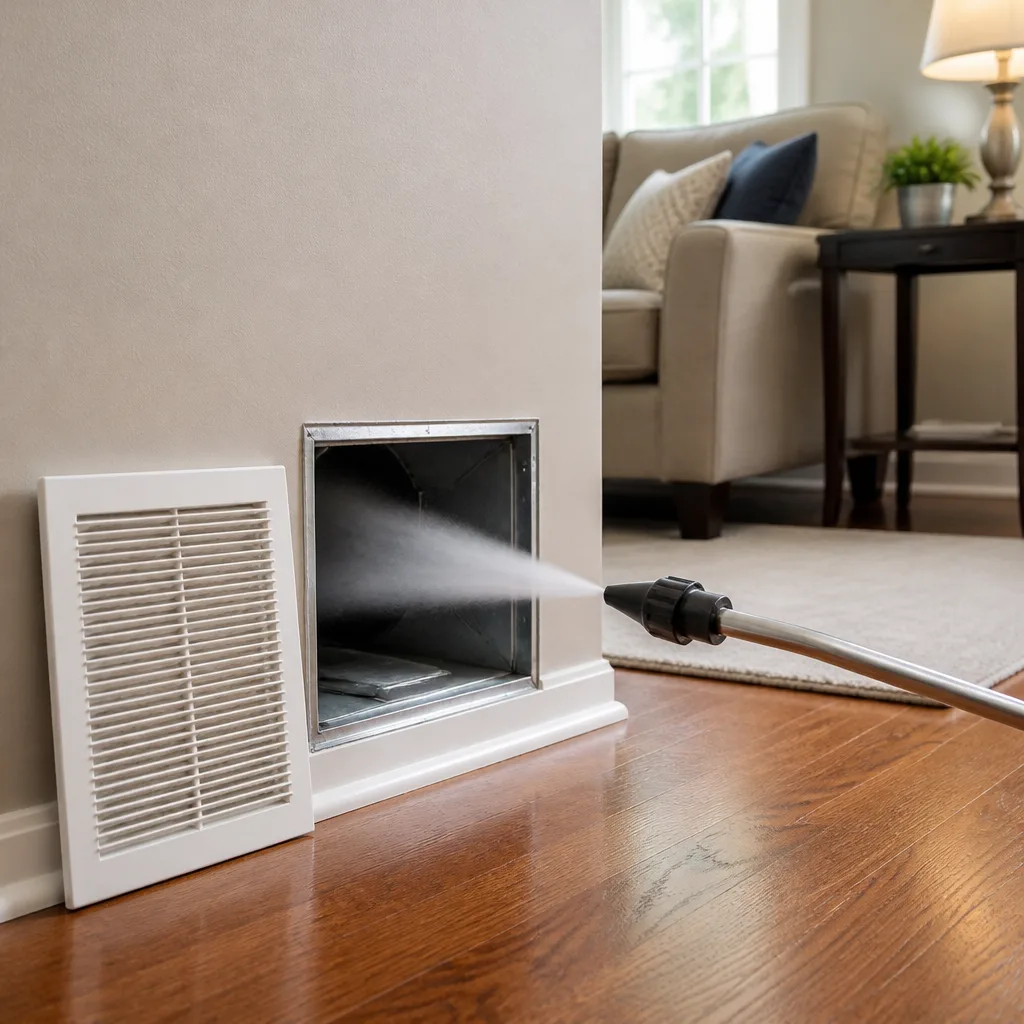 Sanitizing & deodorizing
Whole-system duct and dryer vent check with before-and-after photos - you see exactly what came out of your vents
That "$99 whole-house special" is a bait ad - the real number appears once they are in your hallway, or the "clean" is a shop-vac at the register. We photograph the inside of your ducts before and after instead.
Air Duct Cleaning Maintenance Schedule: What to Do and When
Here’s the problem with almost every duct cleaning schedule you’ll find online: it’s built on a national average that doesn’t know your house. A single “every three to five years” rule ignores what actually drives debris buildup in Oklahoma City – red clay tracked in from the yard, a tornado-season load of particulate that finds its way into return air, and the long run-time hours an OKC system logs through both a brutal summer and a cold snap. Your filter knows more about your duct condition than the calendar does. This guide shows you how to build a schedule around your household, your equipment, and the Oklahoma City seasons, so you clean when the system actually needs it instead of guessing.
Quick Answer
There’s no universal air duct cleaning interval. A home with pets, allergies, or recent renovation may need professional cleaning every two to three years, while a newer home with no pets and good filtration can go longer. In Oklahoma City specifically, we recommend a professional inspection every two years and cleaning based on what that inspection finds, plus filter changes tracked as your primary ongoing signal of duct condition.
Styles & brands we work with
- Whole-home duct cleaning
- Dryer vent cleaning
- Camera inspection
- Sanitizing & deodorizing
Table of Contents
- Why the National “Every 3-5 Years” Rule Fails in Oklahoma City
- The Household Decision Tree: When You Actually Need Cleaning
- Seasonal Inspection Checkpoints for Oklahoma City Homes
- What to Do Between Professional Cleanings
- Using Filter Change Intervals as a Duct Health Metric
- The Triggers That Mean Don’t Wait for Your Scheduled Cleaning
- Cleaning vs. Repair: Matching the Schedule to What You Find
- Why Professional-Grade Equipment Changes the Schedule
Why the National “Every 3-5 Years” Rule Fails in Oklahoma City
Most guides quote a national average because averages travel well between pages. They don’t travel well into actual houses. A duct system in a Nichols Hills home with two dogs and an older return-air layout can accumulate in about 18 months what takes a newer Edmond build five years to match. The calendar doesn’t see any of that. It only counts time.
In Oklahoma City, three local factors add weight to that average in ways a general schedule won’t capture.
- Tornado-season particulate. Spring storm systems push fine dust, pollen, and airborne debris into homes through gaps at return air grilles, door sweeps, and exterior penetrations. Some of that settles into ductwork.
- Red clay tracked indoors. Oklahoma’s soil doesn’t stay in the yard. It comes in on shoes and paws, dries, and becomes dust your return air pulls through the system.
- High HVAC run-time hours. An Oklahoma City system runs through long summer cooling stretches and cold-snap heating stretches. More run-hours mean more air volume pushed through the same duct walls, and more of any loosened debris redistributed to registers.
A house near Lake Hefner that runs its system hard for months on end sees a different accumulation curve than a similar square footage elsewhere. The right approach is to build your schedule around the variables – pets, occupants, renovation, home age, filtration – rather than trusting the calendar block to be right. When you’re ready for a professional assessment, our air duct cleaning team can build the schedule from the condition it finds, not from a generic number.
The Household Decision Tree: When You Actually Need Cleaning
Start here instead of at a number. Work through the questions below in order. The first “yes” you hit tells you the approximate interval that fits your house.
- Does anyone in the home have allergies, asthma, or respiratory sensitivity? If yes, plan a professional cleaning on a shorter interval and use filter changes as an early-warning check.
- Are there pets – especially dogs or cats that shed? Two dogs and an older return-air layout is a completely different schedule than a household with none. Expect a shorter interval.
- Is there a smoker in the home, or has there been one in the recent past? Residue and odor cling to duct surfaces. Clean sooner and plan for a repeat inspection.
- Has there been a renovation, remodel, or major repair in the last two years? Drywall dust, sawdust, and construction particulate are the heaviest duct-loading events a home will experience. Clean after the work, not before.
- How old is the home and how is the return air laid out? Older homes and systems with central or undersized returns trap more debris per air-cycle. Clean more often.
- Does anyone in the home smoke, and has the home been occupied by smokers before you moved in? Give this weight even if current occupants don’t smoke.
- Does the home have a whole-house filter, a high-MERV setup, or aftermarket air-quality components? Better filtration extends the interval but doesn’t eliminate the need for inspection.
If you answer “no” to most of these, a three-to-five-year interval may genuinely fit your Oklahoma City home. If you answer “yes” to two or more, you’re on a two-to-three-year plan, and a recent renovation might push you to eighteen months. This is the decision tree we walk through during professional inspection – the shapes of the household, not the year on the calendar, set the clock.
Seasonal Inspection Checkpoints for Oklahoma City Homes
Oklahoma City has three natural inspection points a national guide won’t tell you about, and they line up with the events that actually deposit debris or moisture in ductwork. Put these on your home calendar.
After the spring storm season
Late spring is when tornado-season particulate and pollen loads peak. Once the active storm window has passed, walk your supply registers with a flashlight and check the return grilles for visible dust or debris. A light dust film is normal. Visible clumping, dark patches, or debris at the return means the system is pulling outdoor particulate in and holding it. This is also the checkpoint where a tear or gap in flexible ductwork – sometimes opened by high wind pressure at exterior penetrations – is most likely to show up.
After the summer cooling peak
Long Oklahoma City cooling runs mean maximum airflow through the system. Any loose debris that’s already in the ductwork gets redistributed to supply registers during the hottest weeks. Post-summer is when register dust patterns are clearest. Check registers visually and note your filter change dates.
After the first ice event of the year
Ice and freezing rain in Oklahoma City introduce moisture risk in ductwork, especially in older homes with exterior duct runs or less-than-tight connections. Moisture plus dust is what accelerates contamination. After a freeze, check for any musty smell near returns and confirm registers are dry. A musty smell after a hard freeze is the strongest signal we know to look at the system right away.
If any of those checkpoints turn up something, our Shoreline Duct Cleaning inspection is built to confirm whether the system needs professional cleaning, repair, or just a better filter. The three checkpoints above are the calendar anchors most worth keeping.
What to Do Between Professional Cleanings
What you do between cleanings matters more than most homeowners realize. These tasks take minutes per month and give you the earliest information on duct condition.
- Change the air filter on a schedule you record. Write the date on a small piece of tape on the filter edge. Fifteen minutes every time.
- Inspect return-air grilles monthly. A quick flashlight check of each return takes two to three minutes per grille. Note any change in dust pattern or accumulation.
- Do a visual register check quarterly. Walk each supply register with a flashlight and note dust, discoloration, or debris. A quarter-hour, once a quarter.
- Sweep or vacuum entryways and tracks regularly. The red clay that enters the house is often the same red dust that later loads the system. Ten minutes back into home habits per week.
- Keep pets brushed and reduce foot traffic across dusty floors. Under five minutes of effort per day, cumulative impact on duct load is real.
None of these replaces professional cleaning, and none of them are what the monthly maintenance list looks like in a national guide. But a homeowner who checks grilles and logs filter dates gets a better read on duct condition than a homeowner who waits for visible symptoms before calling. Wait for visible debris and you’ve already run a season or two longer than you needed to. The filter is your early warning. Check it, log it, and use it.
One addition worth making: if you have a whole-house air-quality component like a Honeywell or Aprilaire filter cabinet or air handler accessory, those units themselves need periodic attention. We include those in the system check when we’re doing professional cleaning, because the component’s job depends on the ductwork around it being clean.
Using Filter Change Intervals as a Duct Health Metric
Filter change frequency is the most honest metric a homeowner has for tracking duct condition. Here’s how to read it.
Establish a baseline. Change the filter, record the date, and note the filter’s appearance when it comes out. If a filter that used to last three months now looks loaded at six weeks, the system is moving more particulate than it used to, and the ductwork is somewhere in that chain. If the filter interval is shortening over two or three consecutive changes, that’s a signal to schedule an inspection regardless of where you are on the schedule.
- Start a simple log: date changed and appearance (light, medium, heavy loading).
- Change consistently at the same interval for the first three changes to establish a baseline.
- Note when loading gets heavier or lighter. Any shift is informative.
- Combine the log with the seasonal checkpoints above – match filter changes to your post-storm, post-summer, and post-ice inspections.
- When the interval shortens noticeably, call for inspection before you guess.
We’ve seen homeowners wait for a musty smell or visible register debris because those are the symptoms most pages tell them to look for. In our experience, the filter log gives you the same information earlier, before a smell or visible debris shows up. That extra window is often the difference between a standard cleaning and a cleaning that uncovers a repair need.
The Triggers That Mean Don’t Wait for Your Scheduled Cleaning
Some signals override the schedule. If any of these show up, move the inspection up, regardless of when the calendar says the system is “due.”
- Musty smell after rain or a hard freeze. A musty odor near returns after weather indicates moisture in the system – the condition most likely to accelerate contamination. Have it inspected soon.
- Visible debris at supply registers. Clumpy, dark, or fibrous material showing at more than one supply register points to a duct-loading problem, not a filter problem.
- Recent pest activity. Rodent or insect intrusion in ductwork is not uncommon in Oklahoma City homes with crawlspaces or exterior penetrations. It’s a cleaning-and-inspection trigger, not a wait-and-see event.
- Post-renovation. Drywall dust and construction particulate settle into ducts and don’t fully clear through normal operation. Clean after the dust has settled, and inspect again after.
- Recent home purchase. You don’t know the prior owner’s cleaning history or filter habits. A first-year inspection is worth more than a guess.
- Noticeable rise in allergy symptoms indoors. If symptoms flare inside and improve outside, the system is worth inspecting. A filter log alongside helps here.
For Oklahoma City in particular, the recent pest intrusion trigger deserves emphasis. Older homes in neighborhoods with established trees and crawlspaces see more of it, and the confirmation of a pest issue is enough to move cleaning up even if the schedule says otherwise. If none of these triggers apply, follow the schedule – worrying before you have a signal builds unnecessary cost into home maintenance.
Cleaning vs. Repair: Matching the Schedule to What You Find
The schedule is only half the system’s health story. The other half is whether the ductwork itself is intact. Cleaning a system with a duct leak is a partial job, because debris from an open section moves back into the ductwork after cleaning. That’s why our approach is to clean the system, then confirm it’s sealed.
When we inspect Oklahoma City ductwork, we look for damaged or leaking sections – common in older flexible duct runs, at connection points, and where wind pressure at exterior penetrations has opened gaps over time. If we find them, our Shoreline Duct Cleaning team offers air duct repair as a standalone service, and we account for the repair in the same professional visit rather than sending you to a second contractor. That’s the practical version of the schedule: a cleaning every two to three years is only as useful as the system’s integrity between cleanings.
Full duct replacement is a different scope, and we’re clear on that when we assess the system. If the ductwork has reached the point where repair won’t get it back to a sealed state, we say so and point you to the contractor who handles that scope. The point isn’t to hold every job – it’s to clean the system and confirm it’s sealed, or tell you what needs to happen for it to get there.
Why Professional-Grade Equipment Changes the Schedule
The interval between cleanings depends in part on how thoroughly the last cleaning was done. Consumer shop vacs and compressed-air wands don’t reach what a system actually holds, and they sometimes redistribute debris rather than removing it. Professional cleaning with mechanical brush systems and HEPA vacuum draws the load out rather than forcing it around.
Our professional air duct cleaning service uses Rotobrush rotary-brush systems and Nikro HEPA-vacuum equipment – the same tools specified on commercial and remediation job sites. Where negative-air containment is part of the process, we use Abatement Technologies equipment – the brand restoration professionals rely on during duct work. When the system includes Honeywell or Aprilaire air-quality components, we service those within the same system visit. The point of naming the equipment isn’t branding for its own sake; the tools are the proof. A cleaning done with professional-grade equipment at a two-to-three-year interval gets a system further along toward clean than a cleaning done with consumer tools at the same interval.
Dryer vent cleaning deserves the same weight on the schedule. We treat it as a fire-safety service, not an add-on, on a two-to-three-year interval for most homes, with a shorter check interval for homes with longer vent runs or heavy lint load. If you aren’t sure whether your dryer vent is overdue, our dryer vent cleaning assessment is a good starting point – it’s a safety check as much as a cleaning visit.
Common Mistakes to Avoid
- Relying on the national average alone. A calendar interval that ignores pets, renovation, and Oklahoma City’s storm seasons will mislead you in both directions – cleaning too often in easy homes and too late in demanding ones.
- Waiting for visible debris before scheduling. Visible register debris often means the system has already been loading for a season or two longer than ideal. Use the filter log as your early signal.
- Skipping the post-renovation cleaning. Drywall dust and construction particulate settle into ducts far deeper than daily operation clears, and the temptation is to clean before the work rather than after. Clean after.
- Ignoring filter intervals because they’re “close enough.” A shortening filter life is the clearest duct signal a homeowner has. Log it and act on it rather than eyeballing it.
- Cleaning without checking for duct damage. A cleaning that misses a duct leak leaves an open path for debris to return. Cleaning without a repair check is half a job.
- Treating dryer vent cleaning as optional. A clogged dryer vent is a fire-safety issue, not a maintenance nicety. Give it a place on the schedule equal to the air ducts.
- Booking on price alone. Quieter months and flexible scheduling are on your side when you book with the calendar in mind. A cleaning done once with professional equipment outlasts two cheaper cleanings done with consumer tools. Current condition, done once, done right, is the goal.
See the difference
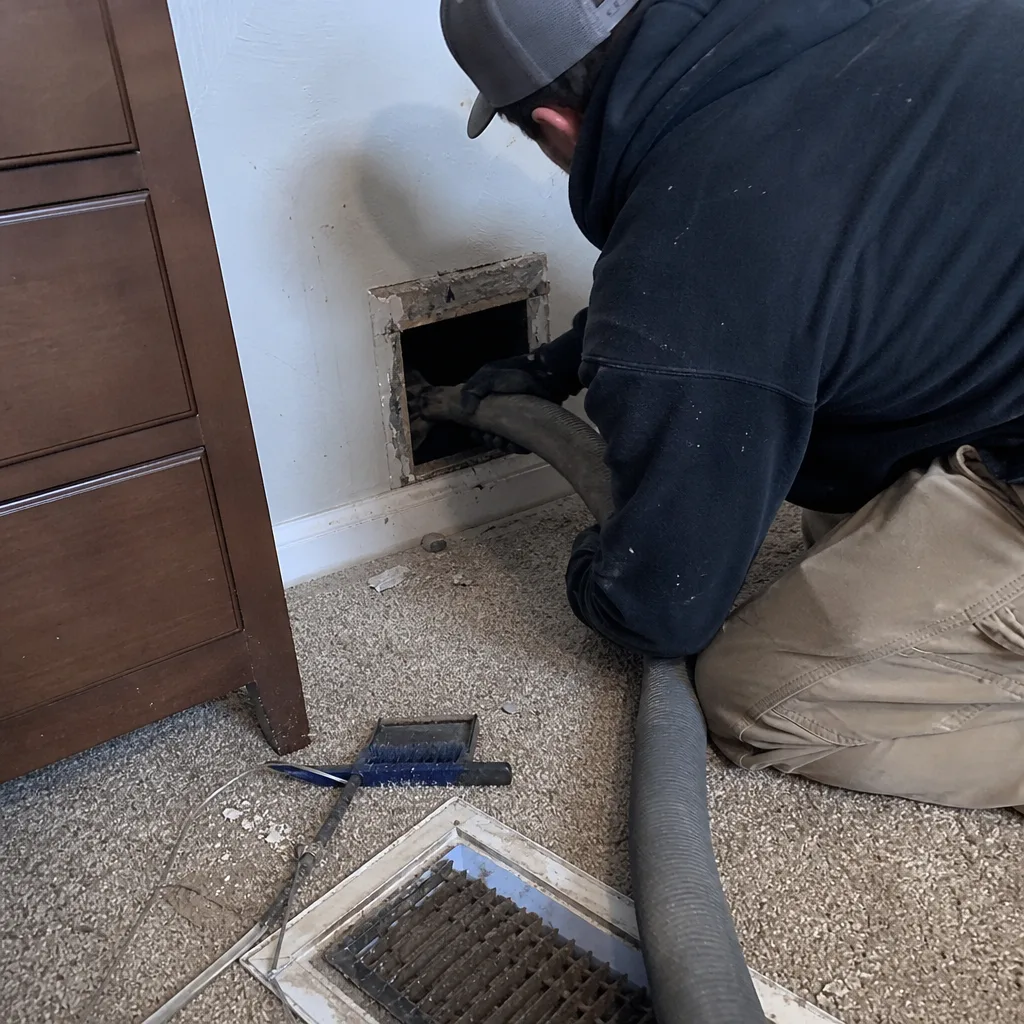 Before
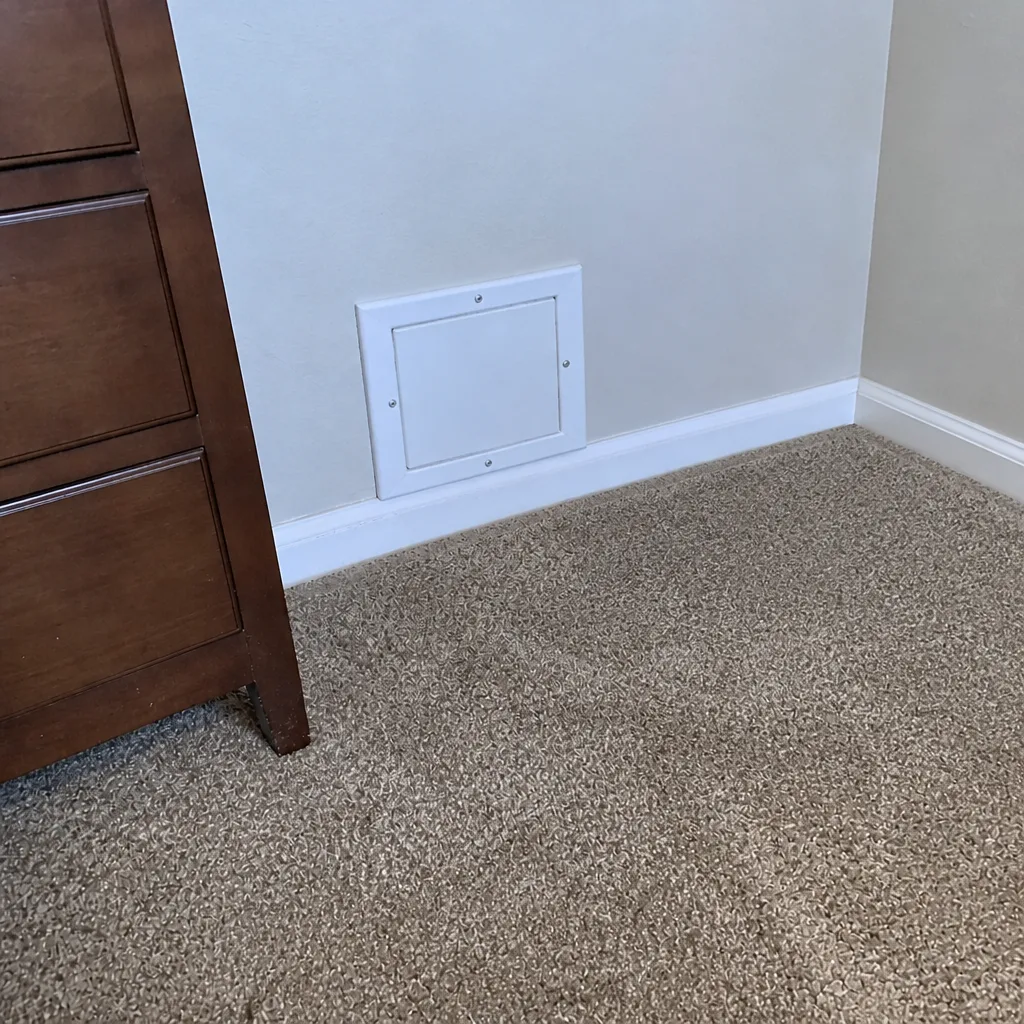 After
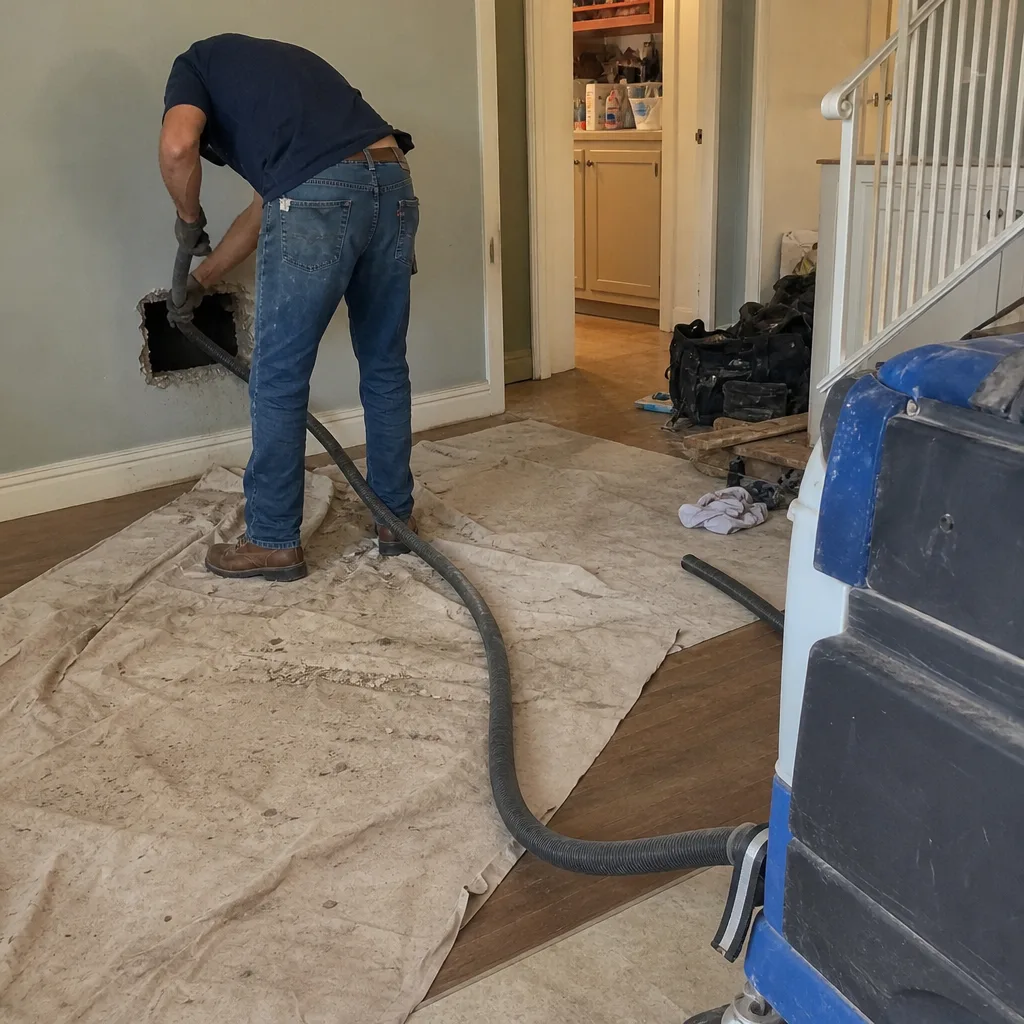 Before
 After
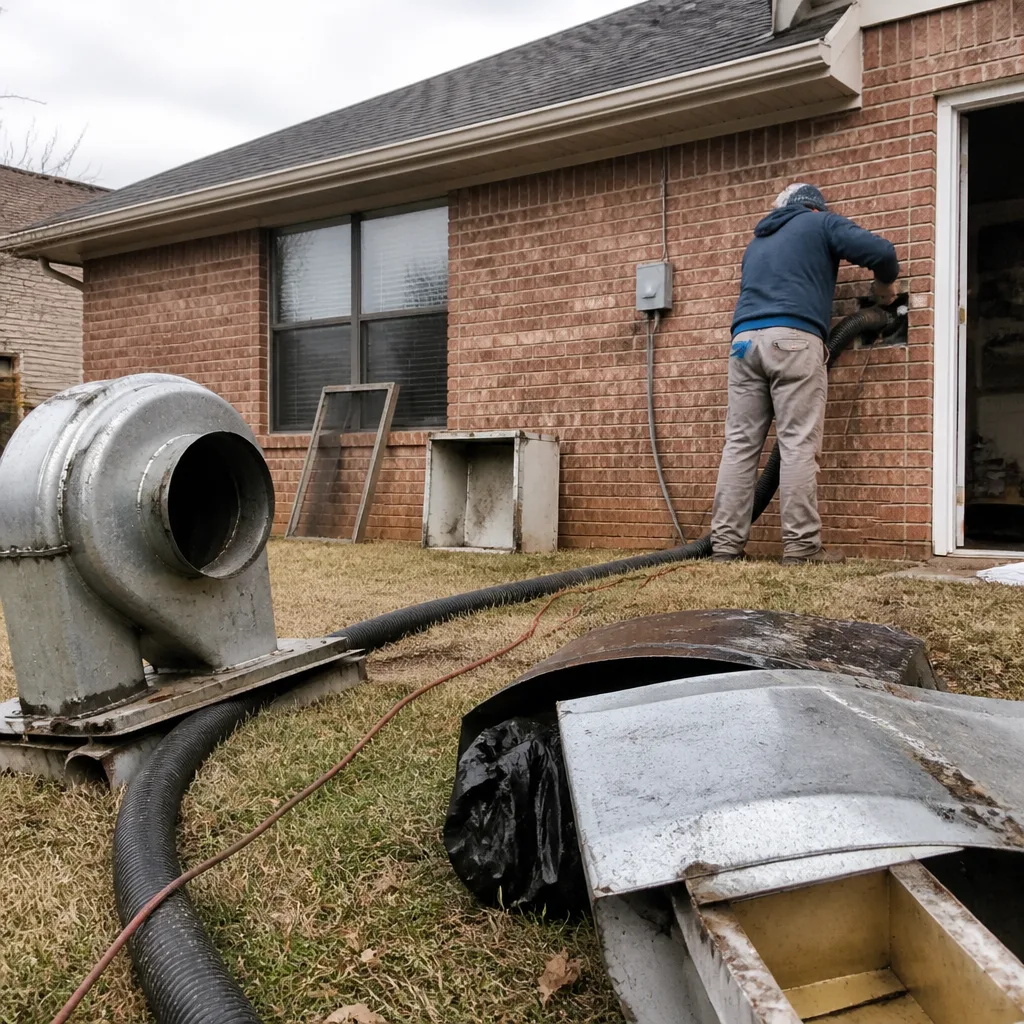 Before
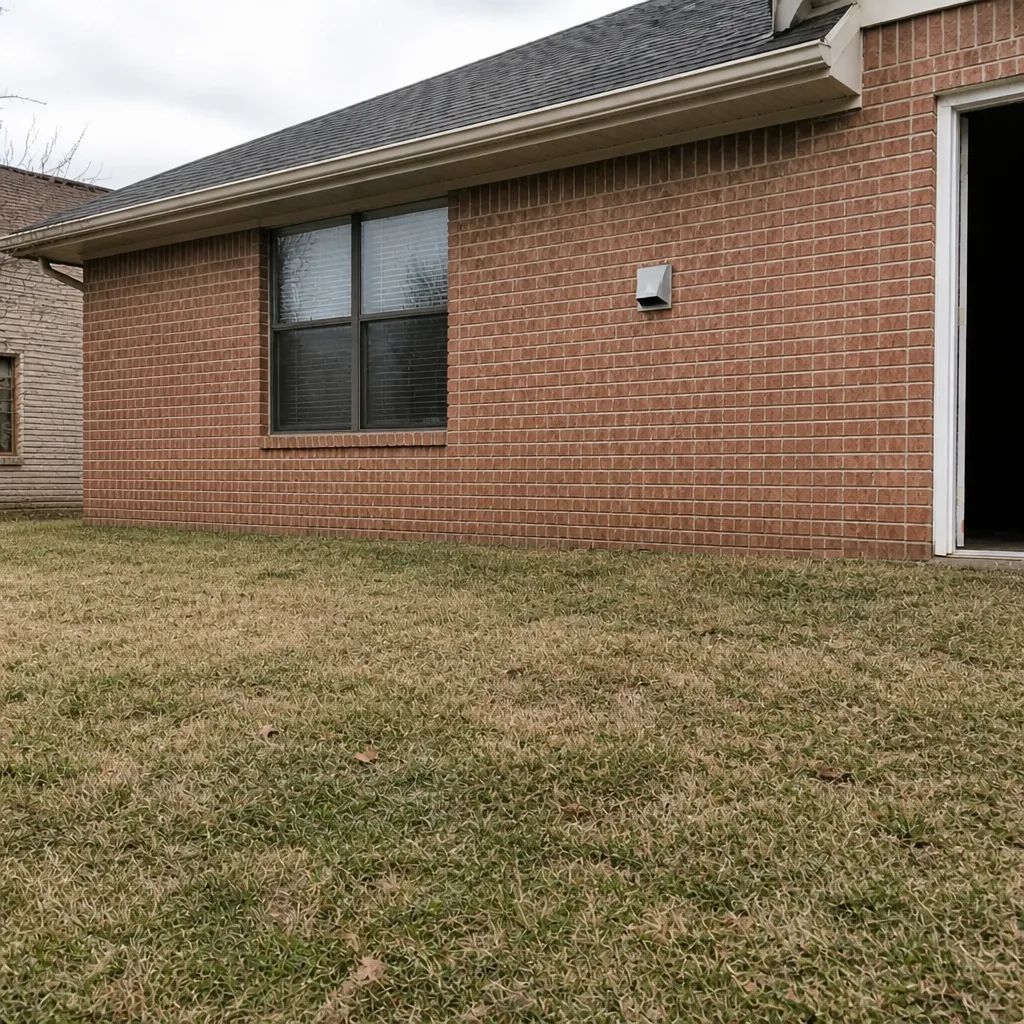 After
When to Call a Professional
Call a professional when any of the triggers above shows up, when the decision tree points you to a shorter interval, or when you’ve never had the system inspected in your Oklahoma City home. Call when you smell musty air near a return after a hard freeze, when visible debris appears at more than one supply register, when a renovation has just wrapped, or when the filter log shows a shortening interval over two or three consecutive changes. Call when a pest intrusion has been confirmed. Call even when nothing is obviously wrong but the schedule says inspection is due – that’s the visit most likely to catch a duct repair need early. Shoreline Duct Cleaning offers free estimates in Oklahoma City – call (855) 360-8688. We answer 24/7. Fast dispatch from 7am to 7pm, Sunday through Friday. For a broader overview of our full air duct cleaning service in Oklahoma City, our team will walk you through what a professional inspection covers.
Frequently Asked Questions
Most Oklahoma City homes fall on a two-to-three-year interval, but the right schedule depends on pets, allergies, renovation history, home age, and filtration setup rather than a universal number. A newer Edmond home with no pets and good filtration can go longer, while a Nichols Hills home with pets and older return air may fit a shorter interval. Build the interval from your household variables, not from a national average. Call (855) 360-8688 for an exact quote – estimates are free.
Cost depends on system size, ductwork layout, and whether a repair is needed. We don’t quote per-vent prices, because per-vent pricing doesn’t reflect the whole system and it’s the standard way duct cleaning gets more expensive than the initial number suggests. We agree one flat price per system before any work starts, so the written estimate is the final price. Call (855) 360-8688 for an exact quote – estimates are free.
Lower quotes often come from companies using consumer-grade vacuums and compressed-air wands that move debris around rather than drawing it out. They can also reflect per-vent pricing that climbs once the technician is on site. We use Rotobrush rotary-brush systems and Nikro HEPA-vacuum equipment – the same tools used on commercial and remediation job sites – and we agree one flat price per system before we begin. Call (855) 360-8688 for an exact quote – estimates are free.
Before-and-after photos of your own ducts are the answer, and that’s what we provide. A cleaning you can’t verify visually is one you’re trusting on faith. Ask any company to show before-and-after photos of the specific ductwork they cleaned. We also confirm the system is sealed when we finish, so you know the cleaning holds. Call (855) 360-8688 for an exact quote – estimates are free.
Yes. Tornado-season particulate and pollen get pulled into homes through return air grilles and exterior penetrations, and some of it settles into ductwork. The post-storm checkpoint in this guide is your early detection window for that loading. Homes with older flexible ductwork and less-tight exterior penetrations feel the effect more. Call (855) 360-8688 for an exact quote – estimates are free.
Most homes fit a two-to-three-year interval, with a shorter check interval for longer vent runs or heavy lint load. We treat dryer vent cleaning as a fire-safety service rather than an optional add-on, so it belongs on your maintenance calendar with the same standing as the air ducts. A clogged vent is a safety issue, not a maintenance convenience. Call (855) 360-8688 for an exact quote – estimates are free.
The Bottom Line
The best duct cleaning schedule is one built around your home, not a national average. In Oklahoma City, that means weighting pets, allergies, renovation history, home age, and filtration setup against the local seasonal patterns that drive debris accumulation – tornado-season particulate, red clay tracked indoors, and long HVAC run-time hours. Use filter change intervals as your early proxy metric, keep the post-storm, post-summer, and post-ice checkpoints on your calendar, and treat musty smell, visible register debris, and recent pest intrusion as triggers that move the schedule up. Professional cleaning every two to three years suits most Oklahoma City homes, done with equipment that draws the load out and a repair check that confirms the system is sealed.
If your system is due for inspection – or if any of the triggers above have shown up – call us. Shoreline Duct Cleaning offers free estimates in Oklahoma City. Call (855) 360-8688. Fast dispatch from 7am to 7pm, Sunday through Friday. We answer 24/7.
Written by the team at Shoreline Duct Cleaning.